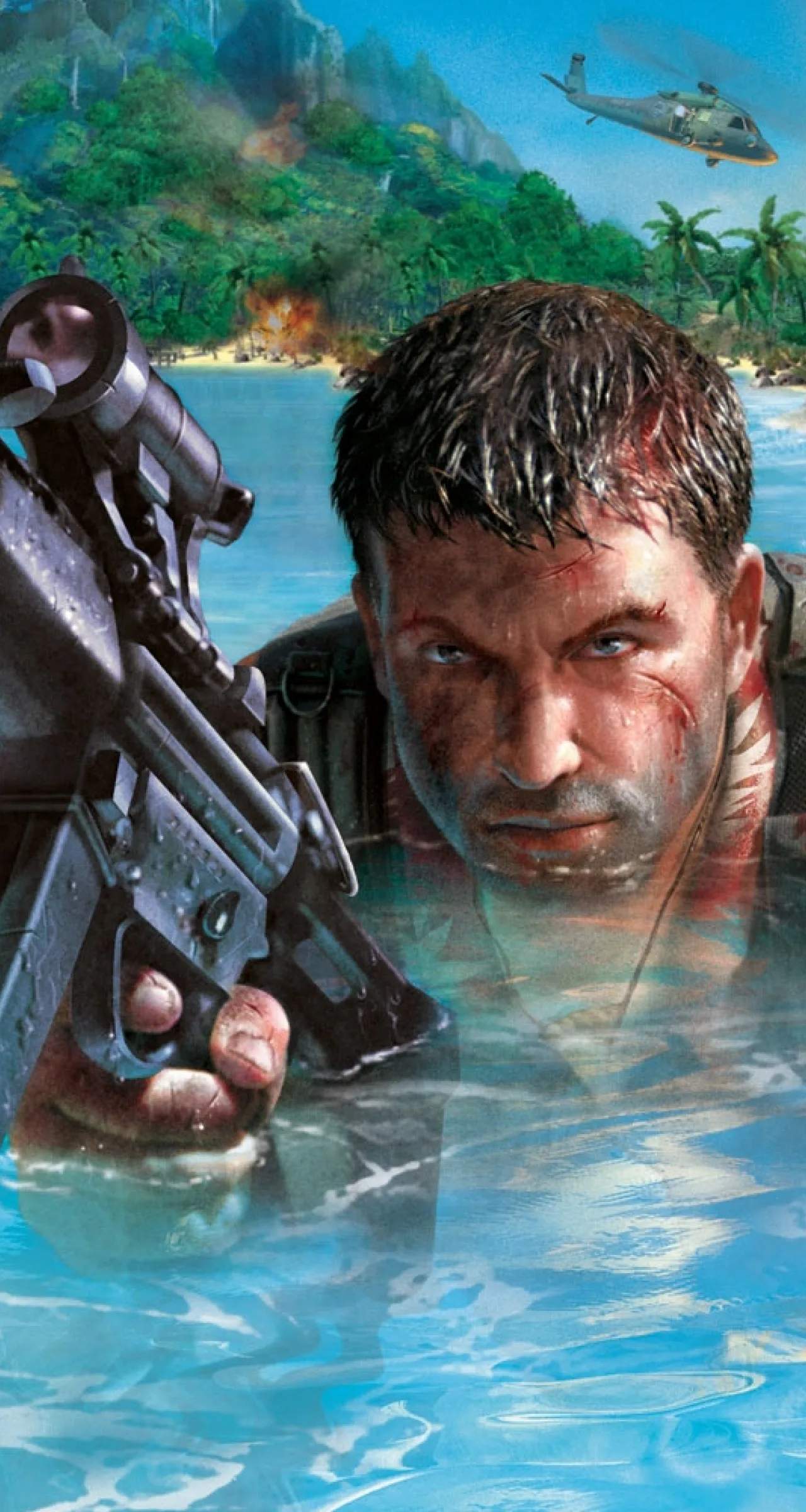
Damage Types & Resistances
In the treacherous jungles of the original Far Cry (2004), survival hinges on a deep understanding of the threats you face. Unlike later installments, there are no "perks" or elaborate resistance systems. Instead, your ability to mitigate damage comes down to tactical awareness, effective use of cover, strategic weapon choices, and using the limited resources available. This section will detail the primary damage types encountered, their sources, and actionable strategies to survive the relentless assaults from both human mercenaries and the terrifying Trigens.
Bullet Damage
Bullet damage is the most prevalent threat you will encounter throughout your journey as Jack Carver. Mercenary forces are heavily armed, and their primary method of attack involves a wide array of firearms. Understanding their weapon types and your vulnerabilities is crucial.
Sources of Bullet Damage:
- Assault Rifles: The most common weapon among standard mercenaries. Expect sustained fire from weapons resembling the M4 Carbine or AK-47. These are accurate at medium ranges and can quickly deplete your health.
- Submachine Guns (SMGs): Often carried by faster, more aggressive mercenary types or those in close-quarters environments. Weapons like the MP5 or P90 deliver a high rate of fire, making them deadly up close.
- Shotguns: Mercenaries equipped with shotguns (e.g., SPAS-12) are devastating at short range. A single blast can remove a significant portion of your health, especially if unarmored.
- Sniper Rifles: Elite mercenaries and dedicated snipers wield powerful rifles (e.g., AWP). These can inflict critical damage, often downing you in one or two shots, particularly to the head or chest. Snipers are usually positioned in elevated or concealed locations.
- Heavy Machine Guns (HMGs): Mounted on vehicles, fixed emplacements, or carried by heavily armored mercenaries, HMGs (e.g., M249 SAW) unleash a torrent of high-caliber bullets. They can shred cover and suppress your movement effectively.
- Pistols: While less damaging than other firearms, pistols (e.g., Desert Eagle, 9mm Pistol) are carried by all mercenaries as secondary weapons and can still be dangerous in numbers or if you are already weakened.
Mitigating Bullet Damage:
- use Cover: This is your primary defense. Always seek solid cover such as rocks, concrete barriers, thick trees, or structural elements. Soft cover (e.g., thin wooden crates) can be destroyed or penetrated.
- Strategy: When engaging multiple enemies, prioritize targets that have clear lines of sight on your cover. Use peek-and-shoot tactics to minimize exposure.
- Armor Pickups: Scattered throughout the levels, Armor Vests provide a temporary but significant health buffer. They absorb a portion of incoming bullet damage before your health bar is affected.
- Actionable Tip: Always be on the lookout for armor. Many mercenary camps and research facilities have armor stashes. Prioritize collecting armor before major engagements.
- Example: In the "Pier" level, after clearing the initial dock area, an armor vest can be found near the small shack before proceeding inland.
- Movement and Evasion: Constant movement, strafing, and tactical rolls can make you a harder target to hit, especially against slower-firing weapons or when under heavy suppression.
- Eliminate Threats Rapidly: The best defense is often a good offense. Quickly eliminating high-threat targets like snipers or HMG operators reduces the amount of bullet damage you'll take.
- Headshots: While not a damage resistance, headshots are critical for reducing the time you are exposed to bullet fire. Most human enemies can be killed with a single headshot from many weapons.
Explosive Damage
Explosions are devastating and can instantly kill or severely wound Jack. They are often used by mercenaries to flush you out of cover or destroy vehicles. Later in the game, Trigens also employ explosive attacks.
Sources of Explosive Damage:
- Grenades: Standard mercenary soldiers frequently throw Frag Grenades. They have a distinct "clink" sound when thrown, giving you a brief window to react.
- Rocket Launchers: Elite mercenaries or dedicated heavy weapons specialists will carry Rocket Launchers (e.g., RPG-7). These are extremely dangerous, capable of destroying vehicles and killing you in a single hit.
- Exploding Barrels & Vehicles: Red explosive barrels are strategically placed in many mercenary-controlled areas. Shooting them causes a powerful explosion. Destroyed vehicles, especially fuel trucks, will also detonate.
- Trigen Explosive Attacks: Certain advanced Trigen types, particularly the Fat Boys (large, mutated Trigens), can launch explosive projectiles or detonate upon death if not killed carefully.
Mitigating Explosive Damage:
- Evasion: When you hear a grenade "clink," immediately sprint away from the impact zone. Look for visual cues of where the grenade landed.
- Actionable Tip: If you're in cover and a grenade lands nearby, sprint out of cover, let it explode, then return to cover. Don't stay put.
- Distance: The further you are from an explosion, the less damage you will take. Maintain distance from enemies known to use explosives.
- Solid Cover: While explosions can often bypass or destroy lighter cover, very thick, solid objects (e.g., concrete walls, large rocks) can sometimes protect you from the direct blast. However, splash damage can still be a factor.
- Prioritize Rocket Launchers/Grenadiers: Always make enemies with rocket launchers or those actively throwing grenades your top priority. A well-placed sniper shot or a burst from an assault rifle can neutralize them before they fire.
- Environmental Awareness: Be wary of red barrels and fuel tanks. Avoid taking cover directly next to them, as enemies will often shoot them to create explosions. Conversely, use them to your advantage against enemies.
Melee & Close-Quarters Damage
While less common from ranged mercenaries, melee attacks are a significant threat, especially from aggressive wildlife and the terrifying Trigen creatures that emerge later in the game.
Sources of Melee Damage:
- Trigens (General): All Trigen types, from the agile Jumpers to the hulking Fat Boys and Berserkers, rely heavily on powerful claw, punch, or slam attacks at close range.
- Jumpers: These fast, agile Trigens will leap at you, inflicting rapid melee damage.
- Berserkers: Large, muscular Trigens that charge and deliver devastating punches.
- Fat Boys: While primarily using explosive attacks, they also have powerful close-range slams.
- Wildlife: Wild animals like tigers, boars, and even aggressive birds can attack you if you get too close or provoke them. While less damaging than Trigens, they can still be a nuisance and distract you during firefights.
- Mercenary Melee: If you allow mercenaries to get too close, they may resort to a rifle butt or knife attack. This is rare but can happen if you are cornered.
Mitigating Melee Damage:
- Maintain Distance: The most effective strategy against melee threats is to keep them at bay. Use your mobility to create space.
- Strategy: Backpedal while firing, or sprint past them to create distance and turn to re-engage.
- Shotguns & SMGs: These weapons are ideal for close-quarters combat. A well-placed shotgun blast can often one-shot smaller Trigens or stagger larger ones.
- Recommended Loadout: When entering Trigen-infested areas, ensure you have a powerful shotgun (e.g., SPAS-12) or a high-rate-of-fire SMG (e.g., P90) readily available.
- Environmental Obstacles: Use terrain to your advantage. Climb onto crates, rocks, or ledges that Trigens cannot easily reach to create a temporary safe zone for firing.
- Melee Counter-Attack (Limited): While Jack has a basic melee attack, it's generally ineffective against Trigens. Only use it as a last resort against very weak or stunned enemies.
- Explosives (Against Trigens): Grenades and rocket launchers are highly effective against groups of Trigens or larger, slower variants like the Fat Boys and Berserkers. Use them to thin out their numbers before they close in.
Environmental & Fall Damage
The island environment itself can be a source of damage, requiring careful navigation and awareness.
Sources of Environmental Damage:
- Fall Damage: Falling from significant heights will cause damage, potentially leading to instant death. The game has a relatively unforgiving fall damage system.
- Water Hazards: While water is generally safe, certain areas may contain aggressive wildlife (e.g., sharks in deeper waters) or strong currents that can pull you into dangerous situations.
- Fire: While less common than in later games, explosions can ignite dry foliage or fuel spills, creating localized fire hazards that cause damage over time if you stand in them.
Mitigating Environmental Damage:
- Careful Navigation: Always be mindful of your footing, especially on cliffs, ledges, and unstable structures. Look for clear paths or designated jump points.
- Controlled Descent: When possible, slide down slopes or drop to lower ledges to minimize fall distance.
- Avoid Obvious Hazards: Stay clear of burning areas or deep, murky waters where unseen threats might lurk.
Summary of Key Strategies for Damage Mitigation:
- Prioritize Armor: Always pick up Armor Vests when available. They are your best defense against sustained bullet fire.
- Master Cover Usage: Learn to use hard cover effectively, peeking only to fire and retreating to reload or heal.
- Target Prioritization: Eliminate high-threat enemies first: Snipers, Rocket Launchers, and Grenadiers among mercenaries; Jumpers and Berserkers among Trigens.
- Weapon Selection: Adapt your weapon loadout to the threat. Assault rifles for general combat, sniper rifles for long-range, shotguns/SMGs for close-quarters and Trigens, and explosives for groups or heavy targets.
- Situational Awareness: Listen for audio cues (grenade clink, sniper shot, Trigen roars) and observe your environment for explosive barrels or enemy positions.
- Movement is Life: Don't stand still. Constant, tactical movement makes you harder to hit and allows you to reposition for better cover or escape dangerous situations.
By internalizing these principles, Jack Carver can navigate the perils of the island, survive the relentless onslaught of both human and mutated foes, and ultimately uncover the secrets of the nefarious Dr. Krieger's experiments.