Crafting Recipes
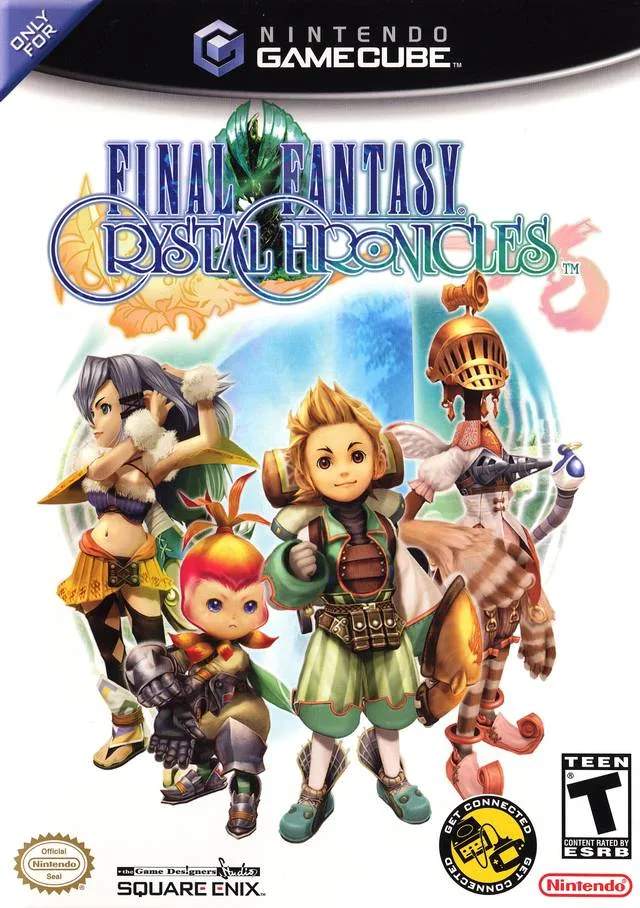
Crafting in Final Fantasy Crystal Chronicles is essential for upgrading your gear and strengthening your caravan. Unlike traditional RPGs, you don't craft directly. Instead, you collect specific materials and "Recipes" (which are actually blueprints or scrolls) and then take them to a Blacksmith in a town to have the item forged. The quality of the item often depends on the materials used and sometimes the specific Blacksmith you visit.
Understanding the Crafting Process
To craft an item, you will need two main components:
- Materials: These are dropped by monsters, found in chests, or gathered from specific points in dungeons.
- Recipes/Scrolls: These are blueprints for specific items. You'll find them in chests, as boss drops, or sometimes as rewards for completing certain events.
Once you have both, head to a town with a Blacksmith. Speak to them, select the "Forge" option, and choose the item you wish to create. Ensure you have enough Gil for the crafting fee!
Essential Crafting Materials & Where to Find Them
Here's a breakdown of common and crucial crafting materials and their primary acquisition locations:
- Iron: A fundamental material for early-game weapons and armor.
- Location: Frequently dropped by Goblins in the Goblin Wall and Mushroom Forest. Also found in chests in these areas.
- Strategy: Farm the Goblin Wall on cycles 1-3 for consistent Iron drops.
- Bronze: A step up from Iron, used for stronger equipment.
- Location: Dropped by Ogres in Mushroom Forest and Daemon's Court. Also found in chests in these dungeons.
- Strategy: Focus on defeating Ogres. They have a decent drop rate for Bronze.
- Mythril: A valuable material for mid-to-late game gear.
- Location: Commonly dropped by various enemies in Mount Falla and Conall Curach.
- Strategy: The Iron Giant in Mount Falla is a good source for Mythril.
- Orichalcum: One of the rarest and most powerful materials, used for ultimate weapons and armor.
- Location: Very rare drop from high-level enemies and bosses in later dungeons like Rebena Te Ra and Mount Falla (later cycles).
- Strategy: Prepare for a grind. The Iron Giant on higher cycles in Mount Falla, or the Lich in Rebena Te Ra, are your best bets.
- Tiny's Fang: A unique material for specific accessories and weapons.
- Location: Dropped by the boss Tiny in the Mushroom Forest.
- Strategy: Defeat Tiny multiple times if you need several fangs.
Key Recipes and Their Locations
Knowing where to find the recipes is just as important as gathering materials. Here are some notable recipes:
- Broadsword Recipe:
- Location: Found in a chest in the Mushroom Forest, usually near the beginning.
- Materials: Iron x2
- Use: A basic but reliable weapon upgrade for Clavats and Yukes.
- Plate Armor Recipe:
- Location: Often found in the Goblin Wall after defeating the Goblin King.
- Materials: Iron x3
- Use: A solid defensive upgrade for all tribes.
- Mythril Sword Recipe:
- Location: Dropped by the Iron Giant in Mount Falla.
- Materials: Mythril x2, Bronze x1
- Use: A significant power boost for melee characters.
- Force Ring Recipe:
- Location: Found in a hidden chest in Conall Curach.
- Materials: Mythril x1, Tiny's Fang x1
- Use: Increases magic attack, invaluable for Yukes and magic-focused Lilties.
- Rune Staff Recipe:
- Location: Reward for completing a specific side quest in Shella or a rare drop in Rebena Te Ra.
- Materials: Mythril x3, Orichalcum x1
- Use: One of the best staves for Yukes, offering high magic attack.
Advanced Crafting Tips
- Family Trades: Your family's trade can influence crafting. For example, if your family runs a Blacksmith shop, you might get discounts or even access to unique recipes.
- Blacksmith Locations: Different towns have different Blacksmiths. While most can craft common items, some might specialize or offer better quality for certain gear. For instance, the Blacksmith in Tipa is your starting point, but later in the game, Blacksmiths in Marr's Pass or Shella might be more advantageous.
- Save Before Crafting: While not a guarantee of better quality, saving before crafting allows you to reload if you're unhappy with the result (e.g., if you were hoping for a specific bonus stat).
- Repeat Dungeons: Don't be afraid to revisit dungeons. Many materials and even some recipes are random drops or appear in chests that reset. Higher cycle counts often yield better materials.