Crafting a Classic: The Development of Final Fantasy IX
The creation of Final Fantasy IX was a deliberate and heartfelt endeavor by Square (now Square Enix) to return to the series' roots, offering a nostalgic yet innovative experience for fans. This section delves into the development history, des philosophies, and inspirations that shaped the game. The team's vision was to evoke the classic feel of earlier Final Fantasy titles, emphasizing a rich narrative, memorable characters, and a charming art style, while also incorporating modern gameplay enhancements. The development team aimed to create a game that felt both familiar and fresh, drawing inspiration from the beloved entries of the past while forging its own unique identity. This involved meticulous attention to detail in world-building, character des, and the overall player experience. The game's distinctive art style, characterized by its stylized proportions and vibrant environments, was a conscious choice to harken back to the aesthetic of earlier 2D Final Fantasy games, reinterpreted in a 3D space. This approach was central to their goal of delivering a game that resonated with the core essence of the Final Fantasy legacy.
A Return to Form: Des Philosophy
The core des philosophy behind Final Fantasy IX was to recapture the magic of the original PlayStation era Final Fantasy games, particularly Final Fantasy VII, VIII, and VI. Director Hironobu Sakaguchi expressed a desire to create a game that felt like a culmination of the series' journey on the PlayStation, offering a more traditional fantasy setting after the more contemporary or sci-fi themes of its predecessors. This meant a focus on a grand, epic narrative, a diverse cast of characters with distinct personalities and backstories, and a world filled with magic, kingdoms, and mythical creatures. The development team consciously steered away from some of the more complex or abstract mechanics introduced in previous titles, opting for a more accessible yet still deep gameplay system. This included the reintroduction of the Active Time Battle (ATB) system, albeit with some modifications, and a robust ability learning system tied to equipment. The goal was to create a game that was both accessible to newcomers and deeply satisfying for long-time fans, a delicate balance that the team strived to achieve through careful des choices and iterative development.
Inspirations and Innovations
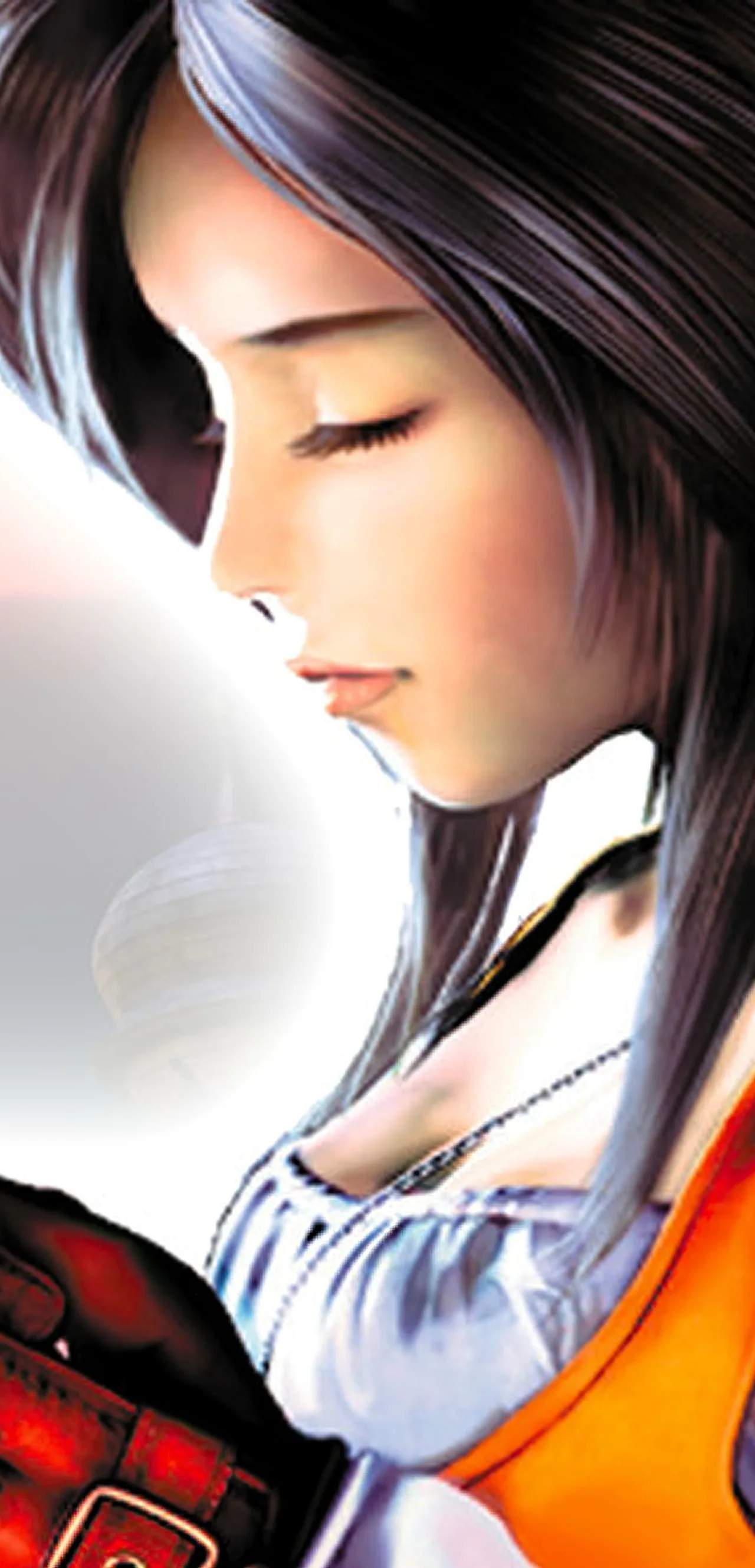
The inspirations for Final Fantasy IX are evident in its whimsical art style, character archetypes, and overarching themes of destiny and self-discovery. The game draws heavily from classic fantasy tropes, fairy tales, and even elements of Shakespearean drama, particularly in its early narrative beats. The character dess by Toshiyuki Itahana are a clear homage to Yoshitaka Amano's iconic artwork from earlier Final Fantasy titles, reinterpreted with a charming, almost storybook-like aesthetic. Despite its classic leanings, Final Fantasy IX also introduced innovative elements. The introduction of the Ability System, where characters learn skills by equipping specific gear, encouraged strategic customization and resource management. The Chocobo Hot and Cold side quest, with its treasure hunting mechanics, provided a substantial and engaging optional activity. Furthermore, the game's narrative explored mature themes such as mortality, identity, and the nature of existence, adding a layer of depth that resonated with players. The development team's commitment to both honoring the series' past and pushing its boundaries resulted in a game that is both a nostalgic tribute and a unique masterpiece in its own right, solidifying its place as a beloved entry in the Final Fantasy saga.