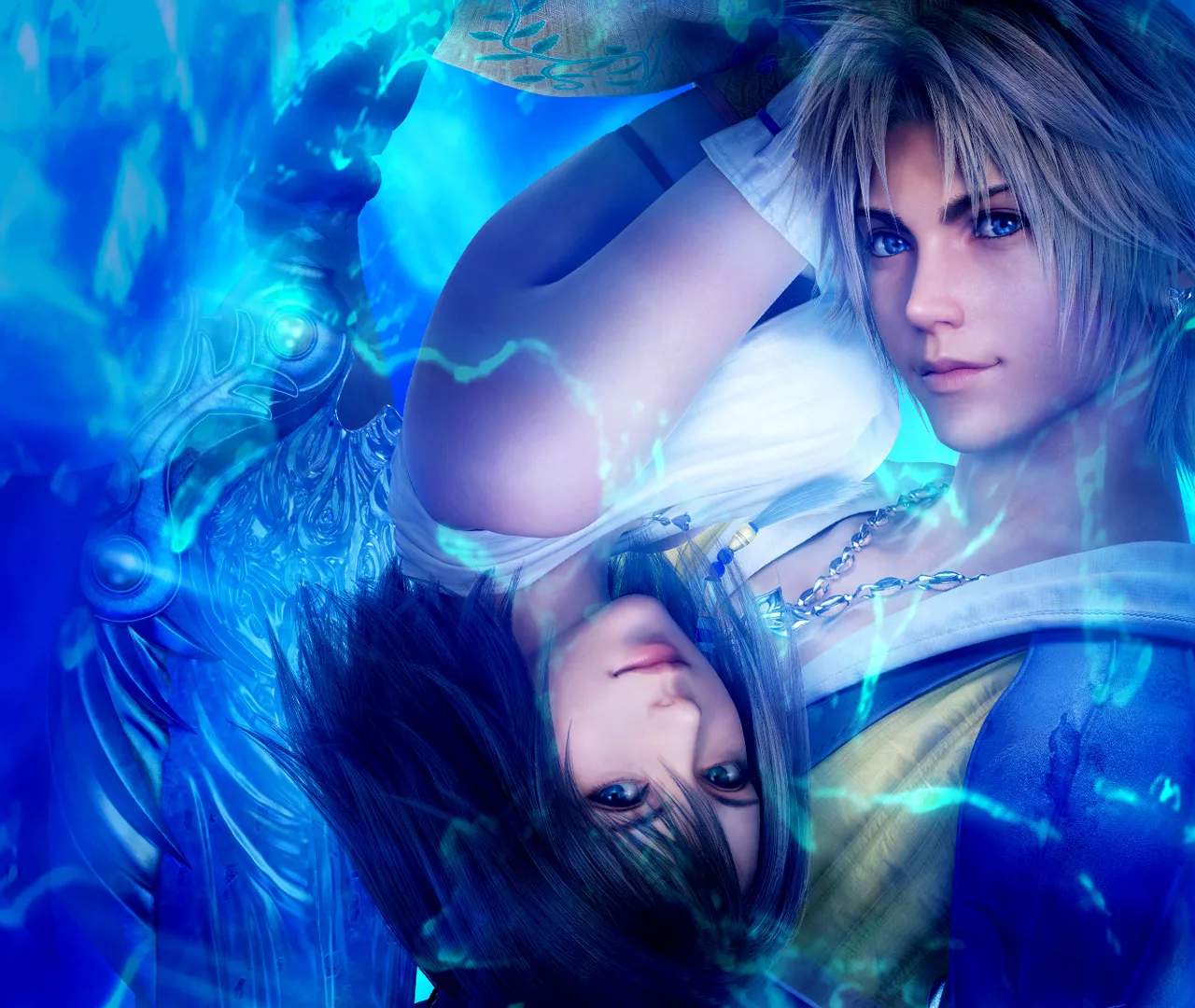
Explore the nuances of voice acting and localization in Final Fantasy X and X-2 HD Remaster. This section examines the performances, script adaptations, and cultural considerations that shaped the games' presentation for a global audience.
The voice acting and localization of Final Fantasy X and X-2 played a pivotal role in bringing these narratives to life for a Western audience. The transition from purely text-based dialogue in earlier Final Fantasy titles to fully voiced characters in FFX was a significant leap, impacting player immersion and emotional connection.
In Final Fantasy X, the voice cast delivered performances that helped define the characters. Tidus's energetic and sometimes naive portrayal, Yuna's serene yet determined demeanor, and the distinct personalities of the supporting cast were brought to life through skilled voice actors. The localization team faced the challenge of translating not only the dialogue but also the cultural nuances and emotional weight of the original Japanese script.
The localization process involved adapting dialogue to fit the spoken word, ensuring that the characters' personalities and motivations remained intact. This often required creative solutions to bridge cultural gaps and make the story relatable to a diverse player base. The success of FFX's voice acting and localization is often cited as a benchmark for the series.
Final Fantasy X-2 continued this trend, featuring a new cast of voice actors for its protagonists, the Gullwings. Rikku's bubbly enthusiasm, Paine's stoic reserve, and Yuna's evolving character were all conveyed through their performances. The localization for FFX-2 also had to adapt to the game's shift in tone and its more contemporary, pop-culture-influenced themes.
The HD Remaster versions offer enhanced audio quality, allowing players to experience the voice performances with greater clarity. This section will delve into specific aspects of the voice acting, such as memorable lines, character interpretations, and the challenges faced by the localization teams. It's an appreciation of the auditory artistry that complements the visual and narrative elements of these classic RPGs.