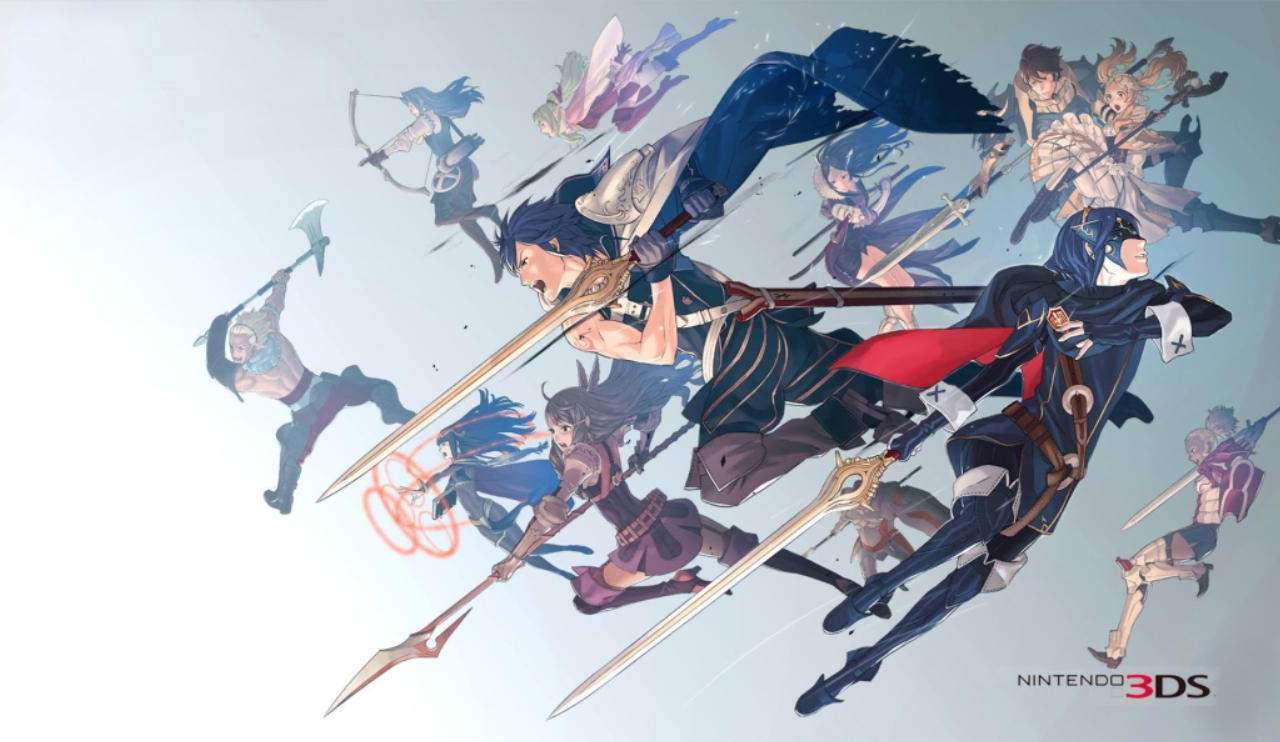
Fire Emblem Awakening introduces a significant choice that fundamentally alters the consequences of battlefield failure: Classic Mode versus Casual Mode. This decision is presented at the beginning of a new game and impacts how fallen units are handled. In Classic Mode, the traditional Fire Emblem experience is preserved. When a unit's HP drops to zero, they are considered permanently defeated and will be removed from your army for the remainder of the game. This means that if a key character like Chrom or your Avatar falls, it can have dire consequences for your ability to complete the game. This mode emphasizes careful planning, risk assessment, and the preservation of your entire roster. Mistakes are costly, and players are encouraged to utilize every tool at their disposal, including support bonuses and defensive positioning, to prevent unit loss. For instance, allowing a fragile mage like Miriel to be attacked by a powerful enemy like a Berserker without adequate support could lead to her permanent removal from the game. The tension and stakes are significantly higher in Classic Mode, making each battle a calculated risk.
Conversely, Casual Mode offers a more forgiving approach. In this mode, if a unit's HP drops to zero, they are not permanently lost. Instead, they will retreat from the current battle and become unavailable for that specific map. However, they will return to your army for subsequent chapters, with no stat penalties or permanent loss of experience. This mode allows players to focus more on the narrative and experimentation without the constant fear of losing beloved characters forever. It's an excellent option for players new to the Fire Emblem series or those who prefer a less punishing experience. For example, if your Avatar makes a misstep and is attacked by a powerful enemy, they will simply sit out the current map and rejoin for the next, allowing you to continue the story without the pressure of permadeath. This distinction is crucial for players deciding their preferred playstyle. Casual Mode removes the permadeath mechanic, making it ideal for learning the game's mechanics or enjoying the story without the stress of losing units. Classic Mode, on the other hand, retains the series' sature permadeath, demanding meticulous strategy and careful unit management. Both modes offer a complete Fire Emblem Awakening experience, but the level of consequence for battlefield errors is drastically different.
Classic Mode
- Permadeath: Units defeated in battle are permanently lost.
- High Stakes: Emphasizes careful planning and risk management.
- Strategic Depth: Requires meticulous unit positioning and resource management.
- Consequences: Losing key units can significantly impact your army's strength and story progression.
Casual Mode
- Unit Retreat: Units defeated in battle are unavailable for the current map only.
- Forgiving: Allows for experimentation and focus on story without permadeath.
- Accessibility: Ideal for newcomers or players seeking a less stressful experience.
- No Permanent Loss: Units return for subsequent chapters with no lasting penalties.
The choice between Classic and Casual mode significantly impacts the overall feel of Fire Emblem Awakening. Classic mode provides the traditional, high-stakes Fire Emblem experience, while Casual mode offers a more accessible and story-focused journey. Regardless of your choice, mastering the game's mechanics, such as the weapon triangle and unit skills, remains paramount for success.