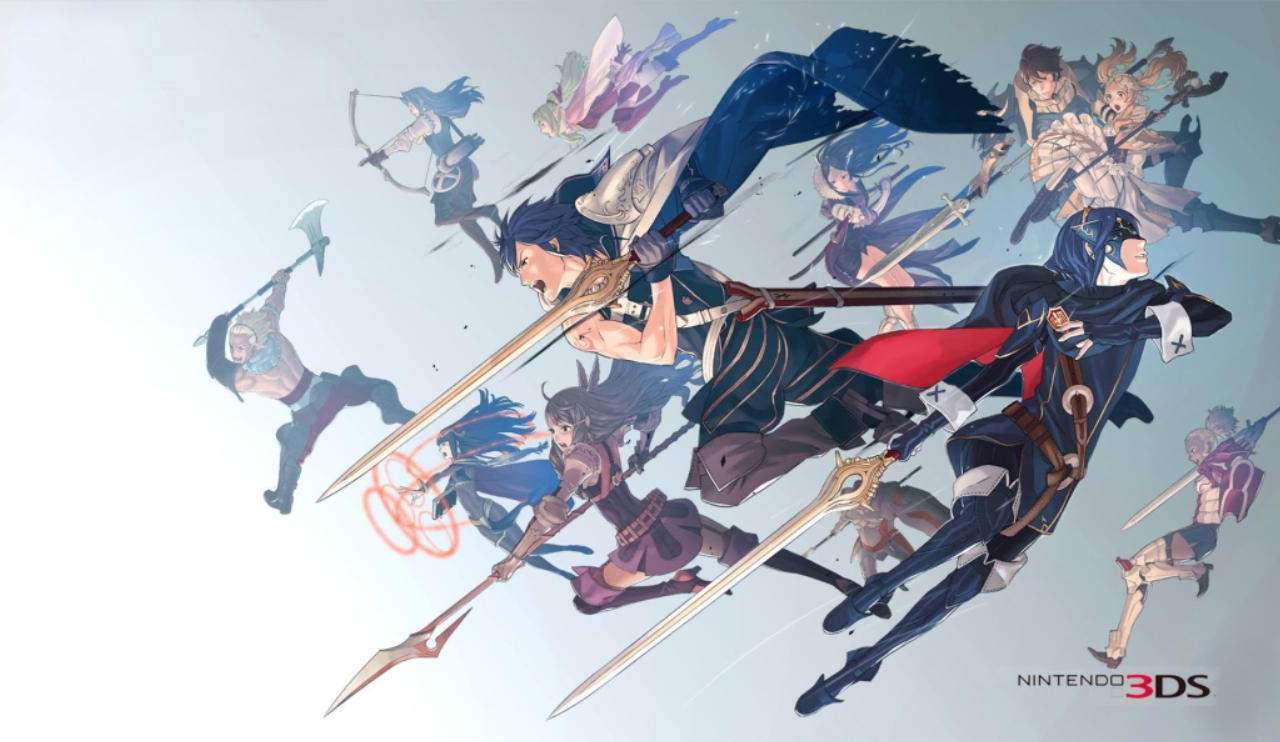
Beginner's Guide
For those new to the world of Fire Emblem Awakening, a few key principles will pave the way for a smoother introduction to its strategic depths. The first is understanding the importance of the weapon triangle: swords beat axes, axes beat lances, and lances beat swords. Always consider this when initiating an attack; a sword-wielding unit will have a significant advantage against an axe-wielding foe, and vice-versa. Pay close attention to the attack range of your units and the enemies. A unit that attacks will often be vulnerable to a counter-attack if the enemy is within their own range. Therefore, carefully consider whether a unit can survive a counter-attack before committing to an offensive action. The game also features different unit classes, such as Pegasus Knights and Wyvern Riders, which have their own strengths and weaknesses against certain weapon types and terrain. For instance, flying units can traverse certain terrain obstacles that ground units cannot, but they are often vulnerable to archers.
Another crucial aspect for beginners is the concept of "Support" conversations. As characters fight alongside each other, their Support level increases, leading to special conversations that not only flesh out their backstories but also provide tangible gameplay benefits. When units with high Support levels are adjacent on the battlefield, they can perform "Dual Attacks" or "Dual Guards," significantly increasing their offensive and defensive capabilities. Therefore, strategically positioning your units to build and utilize these supports can be a game-changer, especially in challenging encounters. The game also offers different difficulty settings, including "Classic" mode where fallen units are permanently lost, and "Phoenix" mode where units revive at the start of each turn. For a first playthrough, considering "Normal" difficulty with "Casual" mode (where units are revived after each battle) is a good way to learn the ropes without the pressure of permanent loss. This allows for experimentation and a focus on understanding the mechanics.
Finally, familiarize yourself with the "Second Seal" item. This consumable allows you to change a unit's class, either to a different class within their current tier or to a lower-tier class to re-level and gain stats. This is an incredibly powerful tool for customizing your army and ensuring your units remain effective throughout the game. For example, a character who is struggling to gain strength might benefit from reclassing into a class that prioritizes strength growth. The Avatar character, customizable at the start of the game, is particularly versatile and can benefit greatly from strategic reclassing. Pay attention to the base stats and growth rates of your units, as these will inform your decisions regarding class changes and overall army composition. Don't be afraid to experiment with different unit combinations and strategies; the game rewards thoughtful planning and adaptation.