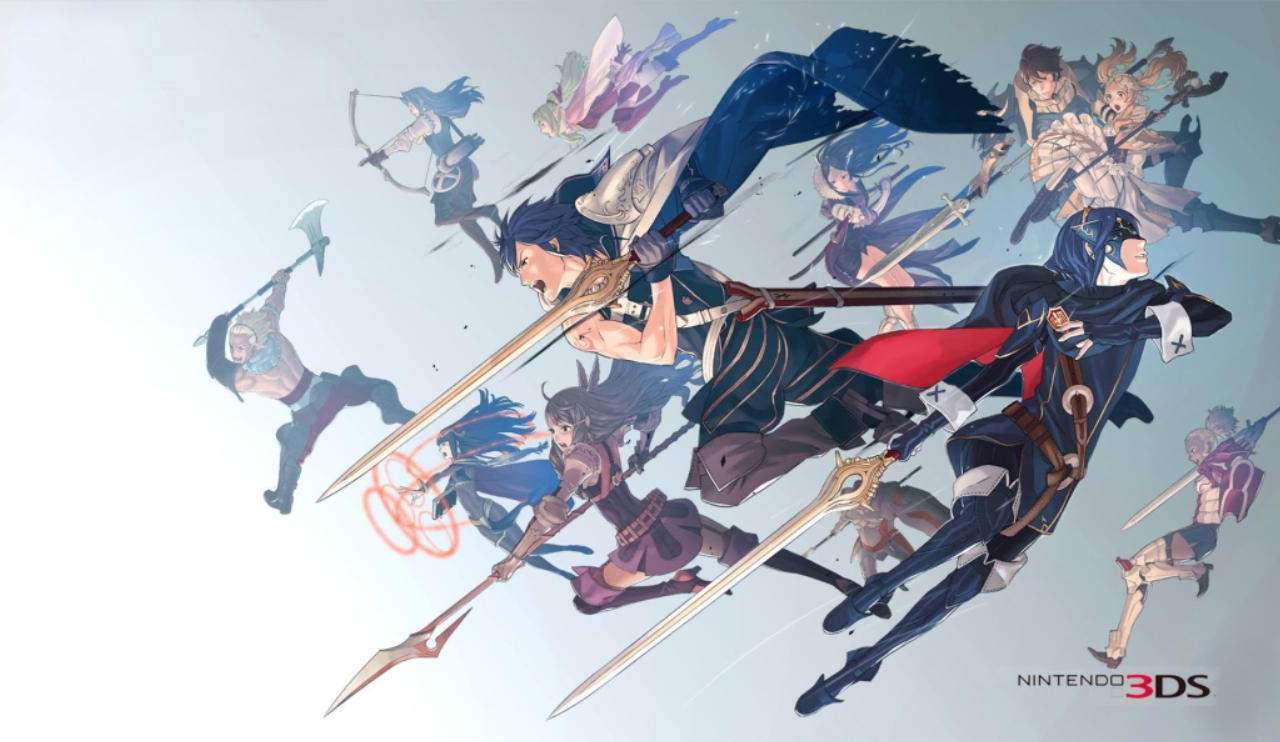
Weapons
Weapons are the primary means by which units in Fire Emblem Awakening inflict damage upon their foes. The game features a diverse arsenal of weaponry, each with its own set of characteristics, including might, hit rate, critical hit chance, and range. Understanding the nuances of each weapon type is fundamental to mastering the game's turn-based combat system. The classic Fire Emblem weapon triangle—swords > axes > lances > swords—plays a significant role, granting advantages and disadvantages based on the weapon types engaged. Beyond this core triangle, Awakening introduces other weapon categories like bows, tomes, and staves, each with unique properties and tactical applications. The "General FAQs/Guides" by MKaykitkats, a substantial 587.2 kb document, likely provides an extensive overview of all available weapons, detailing their stats and effective uses. The "Weapons" section, along with its specialized subsections, will delve into the specifics of these categories, offering players the knowledge to equip their units optimally for any given situation.
The effectiveness of a weapon is not solely determined by its raw might. Factors such as accuracy (hit rate) and the chance to land a critical hit are equally important. A powerful weapon with a low hit rate might prove unreliable, while a weapon with a high critical hit bonus can turn the tide of battle with a single devastating blow. Furthermore, weapon durability is a consideration; weapons degrade with use and will eventually break if not managed properly. This encourages players to rotate their weaponry and utilize a variety of arms. The game also features special weapons, such as the Falchion, which holds significant narrative importance and possesses unique properties. The "Forging Weapons Guide" section will further elaborate on how You can customize and enhance their weaponry, adding another layer of depth to the weapon system. The "Items & Equipment" guide, and specifically this "Weapons" section, aims to equip players with the knowledge to make informed decisions about arming their units, from the basic iron sword to the most legendary of artifacts.
Weapon Categories and Their Roles
- Swords: Effective against axes, generally balanced stats.
- Lances: Effective against swords, often have good reach.
- Axes: Effective against lances, typically possess high might but can have lower accuracy.
- Bows: Ranged weapons effective against flying units, cannot be used in close combat.
- Tomes: Magical weapons used by mages, effective against armored units and other magic-users, with various elemental properties.
- Staves: Used by healers to restore HP or inflict status effects, not for direct damage.
Key Weapon Attributes
- Might: The base damage a weapon inflicts.
- Hit: The percentage chance of the attack landing successfully.
- Critical: The bonus damage dealt on a critical hit, and the chance to trigger it.
- Weight: Affects a unit's attack speed; heavier weapons can slow down faster units.
- Range: Determines the distance at which a weapon can be used (e.g., 1 for melee, 1-2 for some tomes and bows).
- Durability: The number of uses a weapon has before breaking.
Strategic Weapon Usage
- Exploit the Weapon Triangle: Always consider the weapon types of both your attacking unit and the enemy to gain an advantage.
- Match Weapon to Unit: Equip units with weapons that complement their strengths (e.g., high-strength units with axes, fast units with swords).
- Manage Durability: Rotate weapons to preserve durability and ensure you always have a reliable option.
- Utilize Ranged Weapons: Bows and tomes are essential for engaging enemies from a safe distance or targeting specific threats.