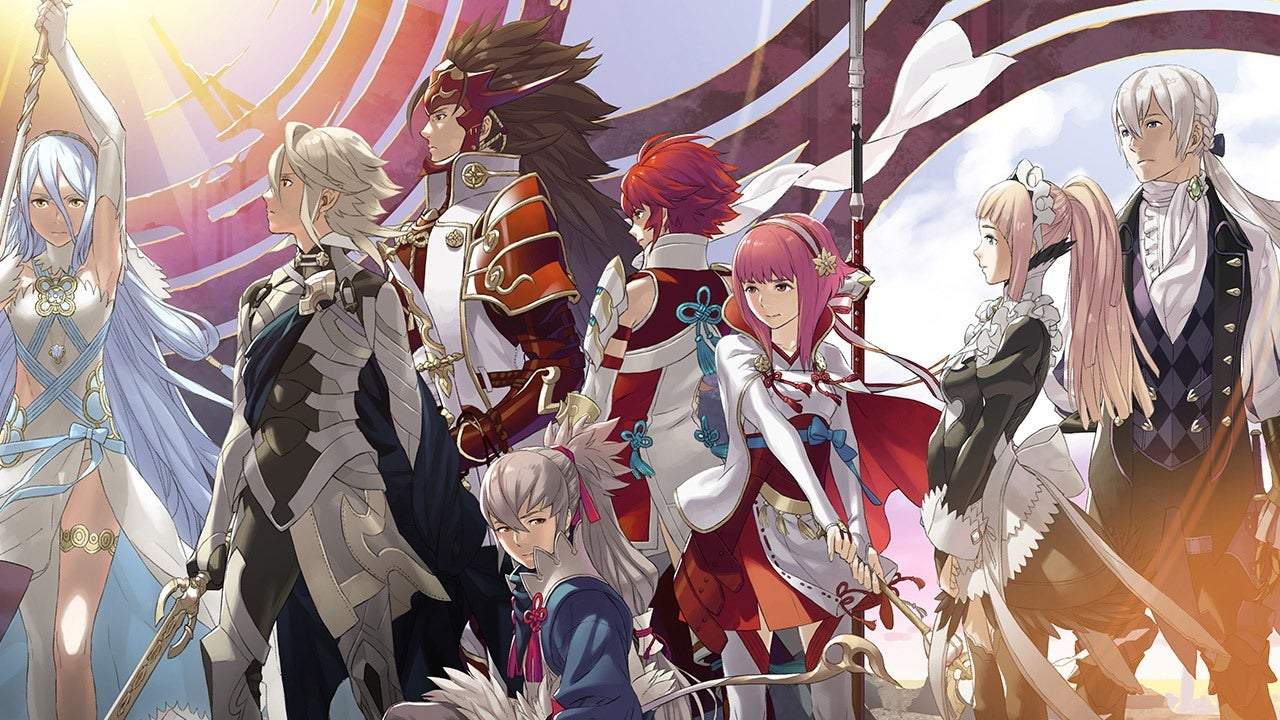
Hoshidan Culture and Traditions
Hoshidan culture and traditions are a significant aspect of Fire Emblem Fates: Birthright, shaping the kingdom's identity and influencing the characters' actions and beliefs. These traditions often revolve around honor, respect for nature, spiritual practices, and a strong sense of community. Understanding these cultural elements is key to appreciating the Hoshidan way of life and the values Corrin champions. The general FAQs, such as rennyjesus's guide (version 0.1.4), likely provide a general overview of Hoshidan society, touching upon its core values and customs. These guides might explain the importance of family ties, the reverence for elders, and the emphasis on personal integrity. The Avatar Support Transcript by Misha Marches offers a much deeper dive into Hoshidan culture and traditions through character interactions. These transcripts can reveal specific customs related to festivals, ceremonies, martial arts, and even daily life. For instance, dialogues might discuss Hoshidan etiquette, their dietary practices, or their spiritual beliefs concerning the divine dragons. The Class Promotion Chart, while focused on gameplay, can indirectly reflect Hoshidan culture by showcasing the specialized roles and skills that are valued within their society. The existence of classes like the Onmyoji, with their focus on spiritual arts, or the Master Ninja, with their emphasis on stealth and precision, suggests a culture that values both spiritual discipline and martial prowess. The lore surrounding Dragon Veins, which are deeply integrated into Hoshidan landscapes and traditions, further highlights their cultural reverence for the natural world and the ancient powers that reside within it.
The traditions of Hoshido are deeply rooted in a philosophy of balance, harmony, and respect for both the natural world and the spiritual realm. These cultural tenets permeate every aspect of Hoshidan life, from their social structures to their military practices. The general FAQs can offer a foundational understanding of Hoshidan customs, such as their emphasis on filial piety, their artistic expressions, and their approach to conflict resolution. For example, a guide might describe the sificance of certain Hoshidan festivals or the importance of maintaining honor in all dealings. The Avatar Support Transcript by Misha Marches provides a more intimate and character-driven exploration of Hoshidan culture and traditions. Through conversations between characters, You can learn about specific Hoshidan rituals, their beliefs about the afterlife, and their unique ways of celebrating life's milestones. These personal accounts can reveal the deep emotional bonds that tie Hoshidans together and their commitment to preserving their heritage. The Class Promotion Chart, by illustrating the diverse array of Hoshidan classes, indirectly reflects their cultural values. The presence of classes like the Shrine Maiden, with their connection to spiritual practices, or the Samurai, with their dedication to martial honor, suggests a culture that highly esteems both spiritual devotion and disciplined combat. The lore surrounding Dragon Veins, which are intrinsically linked to Hoshidan traditions and their reverence for the land, further emphasizes their cultural connection to the ancient draconic powers that have shaped their kingdom's identity and destiny.