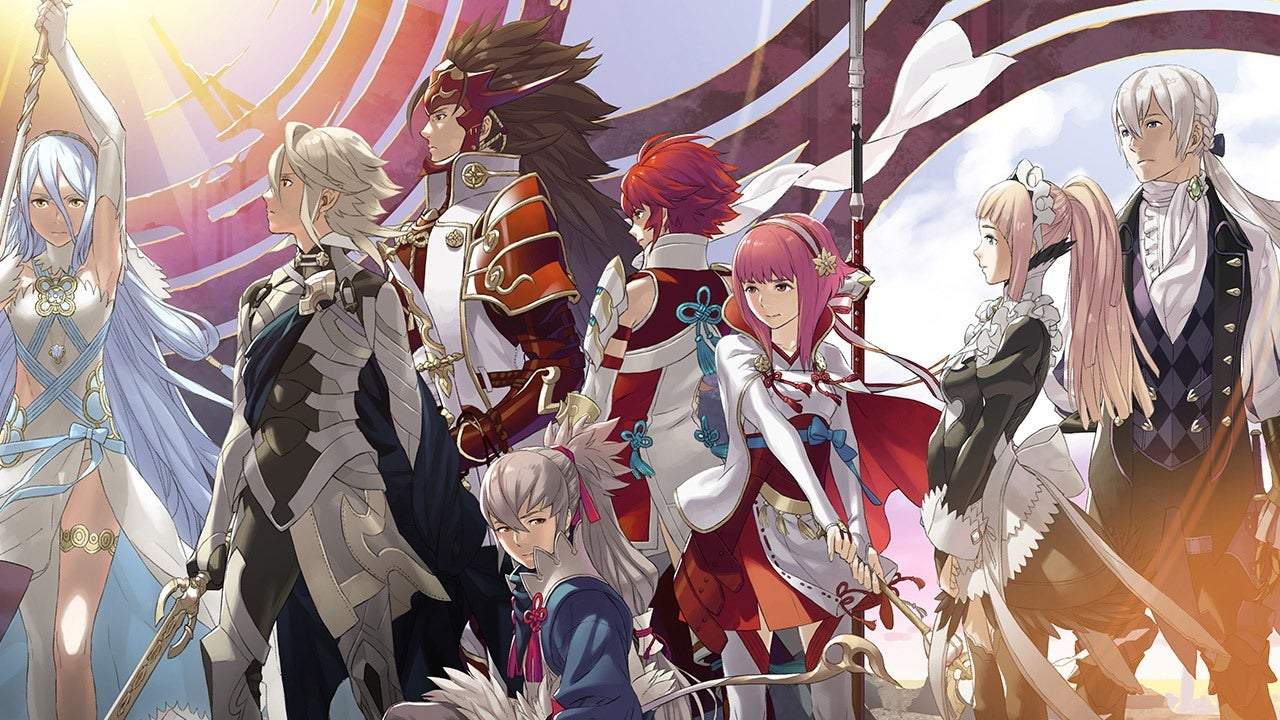
Paralogue Recruits (Children Units)
Fire Emblem Fates: Birthright introduces a unique mechanic where certain characters can have children who later join your army. These "Children Units" are unlocked through a special type of map called a Paralogue, which becomes available after specific characters achieve a certain Support Rank and are married or have a strong bond. These paralogue maps are often challenging, featuring unique enemy compositions and objectives that require careful tactical planning. The children units themselves are typically very powerful, inheriting a combination of their parents' stats, skills, and even class options. This inheritance system allows for a high degree of customization and strategic depth, as You can aim to create powerful offspring by pairing specific characters. The availability of these paralogue maps is tied to the progression of your relationships within the game, encouraging players to engage with the support system and explore different romantic pairings. The children units are often considered some of the strongest units in the game due to their potent inherited abilities and unique class access, making the effort to unlock their paralogue maps highly rewarding. The game provides a clear indication when a child unit is available to be recruited, usually through a notification on the world map or within the My Castle interface, prompting You to engage with the specific paralogue battle.
The recruitment of Children Units in Fire Emblem Fates: Birthright is a multi-step process that rewards player investment in character relationships. First, two characters must achieve an 'S' Support Rank, which sifies a romantic relationship. Once this bond is established, the female character will eventually become pregnant, and a new Paralogue map will appear on the world map. This paralogue map is specifically designed to be a challenging encounter, often featuring enemies that are scaled to the player's current level and the strength of the parents. Successfully completing this paralogue map will result in the recruitment of the child unit. The child unit's class options are determined by the father's class and the mother's base class, offering a unique blend of potential promotions. For example, if a Samurai father and a Shrine Maiden mother have a child, that child might have access to both Samurai and Shrine Maiden-related classes, along with potentially unique classes inherited from their lineage. This system allows for immense strategic flexibility, enabling players to tailor their army composition to their preferred playstyle. The game encourages experimentation with different pairings to unlock the most advantageous class combinations for the children units, making each playthrough potentially unique. The children units are often unlocked in the later stages of the game, providing powerful reinforcements for the endgame challenges.
When strategizing for the paralogue maps that unlock Children Units, pay close attention to the specific challenges presented. These maps often feature unique enemy placements and objectives that differ from standard story missions. For instance, a paralogue might require You to protect a specific NPC for a certain number of turns, or defeat a powerful boss unit within a time limit. The enemy units on these maps are typically strong, and it's advisable to have a well-developed army with promoted units before attempting them. Characters like Kanna, the child of Corrin, have unique Dragon Vein abilities that can be crucial in these battles, mirroring Corrin's own battlefield manipulation skills. The inheritance system means that the child unit's stats will be influenced by their parents' final stats, so investing in the parents' growth and class promotions before the child's paralogue is a sound strategy. For example, if a parent unit has high Strength and Skill, their child is more likely to inherit those strong offensive stats. Furthermore, the child unit's personal skill is often a reflection of their parents' combined strengths or a unique ability tied to their lineage. The game's des ensures that these children units are not only powerful but also have a significant narrative role, often tied to the overarching story of Hoshido and Nohr. Successfully recruiting these units can dramatically alter the late-game power balance, providing players with formidable allies for the final chapters and post-game content.