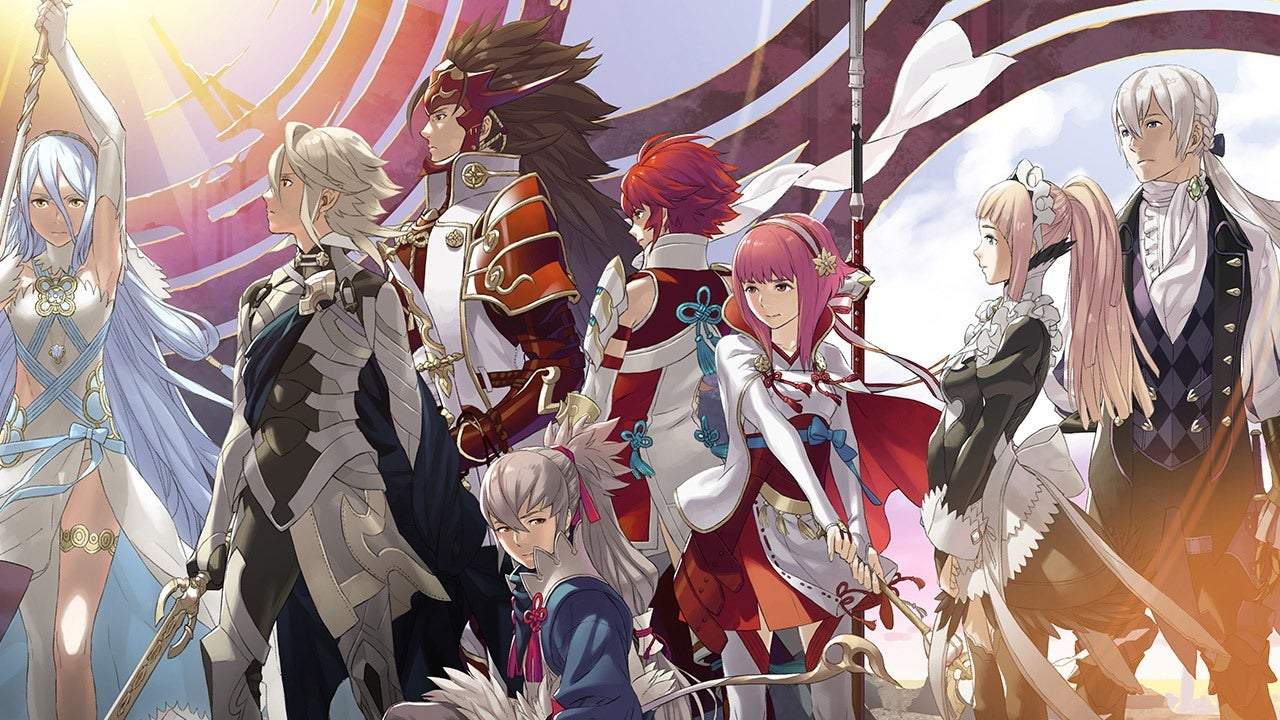
Chapter 2: Hoshido
Chapter 2 of Fire Emblem Fates: Birthright, titled "Hoshido," marks a significant turning point as the protagonist finally reaches the kingdom of Hoshido and is reunited with their Hoshidan family. This chapter serves to establish the Hoshidan perspective on the conflict and introduces a host of new allies and characters who will play crucial roles in the Birthright campaign. The map for "Hoshido" is often set within the Hoshidan capital or its surrounding territories, featuring more ornate architecture and potentially varied terrain like gardens or courtyards. Enemy forces in this chapter will primarily consist of Nohrian invaders, including standard "Nohrian Soldiers," "Nohrian Knights," and possibly some aerial units like "Nohrian Wyvern Riders" or "Nohrian Pegasus Knights." The primary objective is typically to defend Hoshido from these Nohrian incursions or to push back the enemy forces from key locations within the kingdom. Players will be encouraged to utilize the unique strengths of their Hoshidan allies, such as Ryoma's swordsmanship or Hinoka's aerial prowess. Healing items like "Vulneraries" will remain essential for maintaining unit health, especially against concentrated Nohrian attacks.
The narrative of Chapter 2, "Hoshido," focuses on the protagonist's emotional reunion with their Hoshidan siblings and the beginning of their commitment to defending their homeland. This chapter often introduces the concept of Hoshidan culture and values, contrasting them with those of Nohr. Players will be introduced to characters like Xander and Camilla, who represent the Nohrian royal family and serve as antagonists in this chapter, showcasing the personal stakes of the conflict. The chapter may also introduce unique Hoshidan units or mechanics, such as the "Dragon Vein" ability, which can alter the terrain on the battlefield to the player's advantage. It is crucial to pay attention to the specific objectives, which might involve defeating a Nohrian commander or protecting a vital Hoshidan structure. continue to focus on unit positioning, exploiting the weapon triangle, and building support ranks between their units to maximize their effectiveness. Successfully navigating "Hoshido" requires a solid understanding of combat mechanics and a proactive approach to managing unit health and positioning, while also embracing the narrative of Hoshidan loyalty.
Hoshidan Allies and Their Strengths
Chapter 2, "Hoshido," introduces a core group of Hoshidan royal siblings who join the protagonist's cause. These characters bring unique classes and combat styles to the player's army. Ryoma, often a master of the Sword, is a formidable offensive unit capable of dealing significant damage. Hinoka, a Pegasus Knight, offers crucial aerial mobility, allowing her to bypass ground obstacles and engage enemies from unexpected angles. Takumi, an Archer, provides ranged support, capable of attacking enemies from a safe distance without being counter-attacked. Sakura, a Shrine Maiden, serves as a dedicated healer, capable of restoring HP to damaged allies with staves. These Hoshidan siblings are vital to the Birthright campaign, and learn to leverage their individual strengths. For instance, Ryoma can be used to engage heavily armored Nohrian Knights, while Takumi can pick off vulnerable enemy healers or mages from afar. Hinoka's flying ability makes her ideal for reaching objectives quickly or for flanking enemy formations. Sakura's healing is indispensable for keeping the front-line units alive during prolonged engagements. Building support ranks between these siblings and the Avatar is also highly recommended, as it will unlock powerful dual attacks and stat bonuses when they fight side-by-side.
Nohrian Invasion Tactics
The Nohrian forces in Chapter 2, "Hoshido," will employ tactics designed to overwhelm the Hoshidan defenses. You can expect to face waves of "Nohrian Soldiers" armed with Lances and Swords, supported by "Nohrian Knights" who provide heavy physical offense. "Nohrian Archers" will attempt to pick off vulnerable units from a distance, while "Nohrian Wyvern Riders" or "Nohrian Pegasus Knights" can bypass ground defenses and threaten back lines. The Nohrian strategy often involves coordinated assaults, with units attempting to surround and overwhelm isolated allies. Players must counter these tactics by maintaining tight formations, utilizing choke points to control enemy advances, and prioritizing the elimination of ranged threats like Archers and Wyvern Riders. The weapon triangle is crucial here; for example, using a Sword-wielding Ryoma against a Lance-wielding "Nohrian Soldier" will be highly effective. Conversely, a Lance-wielding unit would be at a disadvantage against a Sword-wielding Nohrian. also be mindful of the terrain; forests can provide evasion bonuses, while open fields offer less cover. Healing units like Sakura are vital for sustaining the army through these sustained Nohrian assaults. By understanding the Nohrian tactics and employing effective counter-strategies, You can successfully defend Hoshido.
The Dragon Vein Mechanic (Potential Introduction)
Chapter 2, "Hoshido," may introduce the "Dragon Vein" mechanic, a unique ability found primarily among Hoshidan characters. This ability allows certain units, often those with royal blood, to interact with specific points on the battlefield and alter the terrain. For example, activating the Dragon Vein might create bridges over water, summon damaging lava pools, or clear obstacles, thereby changing the tactical landscape of the map. The specific effects of the Dragon Vein will vary depending on the map and the character using it. actively look for these Dragon Vein points on the map and consider how activating them can benefit their strategy. For instance, creating a bridge might allow a faster unit to reach an objective more quickly, or summoning damaging terrain could be used to weaken or eliminate enemy units. The Avatar, being of Hoshidan royal blood, may also possess this ability. Mastering the use of the Dragon Vein can provide a significant tactical advantage, allowing players to control the flow of battle and create opportunities for their units. It is important to experiment with its various uses and understand how it can be integrated into overall combat plans.