Prologue & Chapter 1-5
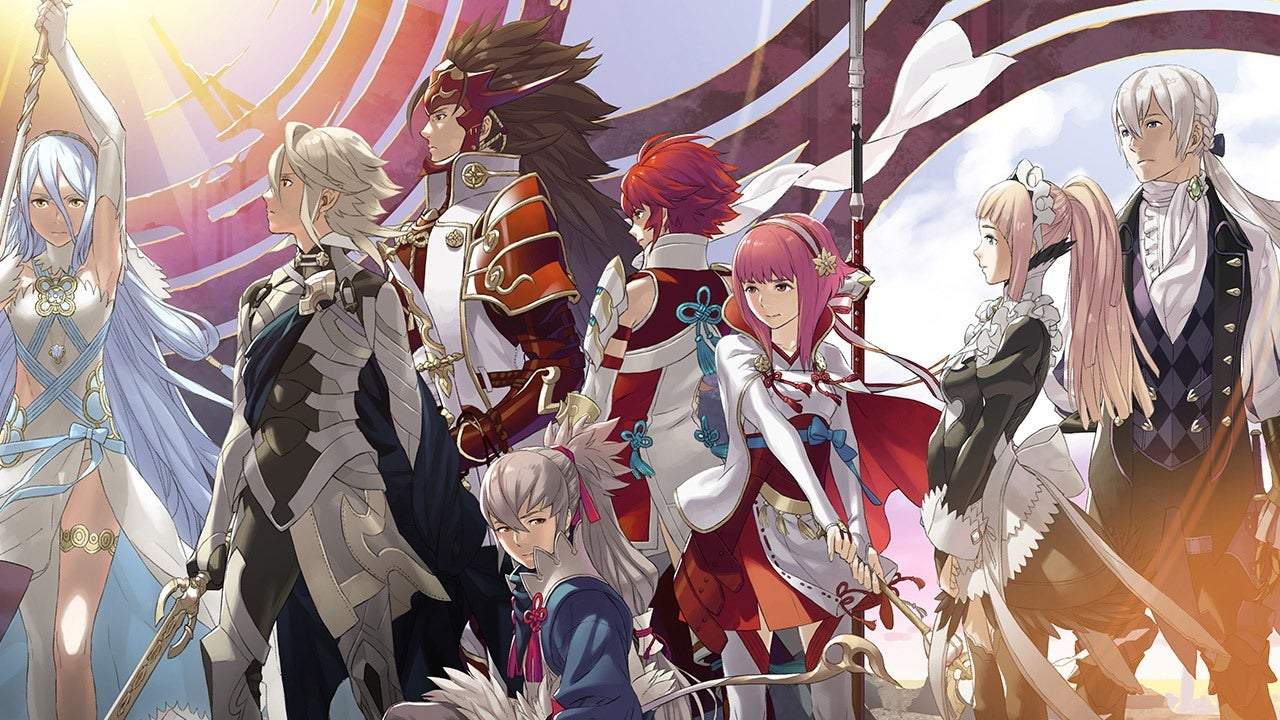
The initial chapters of Fire Emblem Fates: Birthright serve as a crucial introduction to the game's world, characters, and core mechanics. This section of the guide will meticulously detail the progression through the Prologue and the first five chapters of the Birthright campaign. These early stages are designed to ease players into the strategic combat, the weapon triangle, and the importance of unit positioning. Players will be introduced to the central conflict between the kingdoms of Hoshido and Nohr, and the protagonist's unique predicament. Key characters who will become vital allies are introduced, and their initial roles in the unfolding narrative are established. The walkthrough for these chapters will focus on providing clear, actionable strategies for overcoming enemy forces, achieving objectives, and minimizing unit casualties. Emphasis will be placed on understanding the basic combat system, including how to exploit advantageous matchups and utilize character skills effectively. Furthermore, players will begin to familiarize themselves with the "My Castle" feature, learning how to manage resources and develop their personal stronghold.
The progression through these early chapters is designed to gradually increase in complexity, introducing new enemy types, map layouts, and tactical considerations. The Prologue sets the stage, while Chapter 1, "Nohr," and Chapter 2, "Hoshido," establish the initial narrative divergence and introduce the core factions. Chapters 3, 4, and 5, titled "The Journey Begins," "Mad Dragon," and "Mother," respectively, further develop the plot, introduce more challenging combat scenarios, and begin to explore the emotional weight of the protagonist's choices. For each chapter, this guide will provide a detailed breakdown of enemy placements, recommended unit deployments, and turn-by-turn strategies. Players will learn how to effectively utilize their starting units, such as the Avatar and their siblings, and how to recruit new allies as they become available. The goal is to ensure a smooth and successful transition into the more complex challenges that lie ahead in the later stages of Fire Emblem Fates: Birthright.
Chapter 1: Nohr - The First Steps into Conflict
Chapter 1, "Nohr," marks the beginning of the player's direct involvement in the conflict, following the protagonist's escape from Nohrian captivity. This chapter serves as a critical tutorial, reinforcing the basic combat mechanics introduced in the Prologue. Players will typically face a small contingent of Nohrian soldiers, including units like the generic "Hollow Soldier" and potentially a more specialized unit like a "Nohrian Knight." The map is usually straightforward, with limited terrain features, allowing players to focus on understanding unit movement, attack ranges, and the weapon triangle. Recommended strategies involve using the Avatar and any accompanying siblings to engage enemies, leveraging their initial strengths. For instance, if the Avatar is a Sword user and faces an Axe user, they will have a significant advantage. Healing items, such as "Vulneraries," should be used judiciously to keep units healthy. The objective is typically to defeat all enemy units or reach a specific escape point on the map. Players will also be encouraged to utilize support bonuses by positioning allied units adjacent to each other, as this can provide crucial stat boosts to hit and avoid. This chapter is designed to be relatively forgiving, allowing players to experiment with different approaches without severe repercussions, thus building confidence for future, more challenging encounters.
Chapter 2: Hoshido - A Glimpse of Home
Chapter 2, "Hoshido," shifts the focus to the protagonist's reunion with their Hoshidan family and the initial exploration of their homeland. This chapter often introduces more Hoshidan characters, such as Ryoma and Hinoka, who will become key allies. The combat in Chapter 2 typically involves defending against Nohrian incursions or engaging in skirmishes to secure territory. Enemy types might include "Nohrian Soldiers" and potentially some of Nohr's more specialized units, like "Nohrian Wyvern Riders." The map may feature more varied terrain, such as forests or hills, which can offer defensive bonuses to units positioned within them. Players will be encouraged to utilize the unique skills of their Hoshidan allies. For example, Ryoma, often a skilled Sword user, can be a powerful offensive force. Hinoka, as a Pegasus Knight, offers aerial mobility, allowing her to bypass ground obstacles and engage enemies from advantageous positions. The objective in this chapter might involve defeating a specific Nohrian commander or protecting a key location. continue to focus on unit positioning, exploiting the weapon triangle, and building support ranks between their units to maximize their effectiveness. This chapter serves to solidify the player's alliance with Hoshido and introduce the core cast of Hoshidan characters.
Chapter 3: The Journey Begins - First Major Decisions
Chapter 3, "The Journey Begins," marks a significant point in the narrative as the protagonist and their allies embark on a more substantial mission, often involving travel or reconnaissance. This chapter may introduce more complex map objectives, such as capturing multiple strategic points or escorting a vulnerable unit. The enemy forces will likely be more varied, potentially including a mix of Nohrian soldiers and perhaps some neutral or hostile factions encountered along the way. employ more sophisticated strategies, coordinating attacks and defenses across different parts of the map. The introduction of new allies or the potential for recruiting neutral characters might also occur around this chapter, expanding the player's army and tactical options. It is crucial to pay attention to the specific objectives of the map, as deviating too far from them can lead to failure. For instance, if the objective is to capture a fort, neglecting to send units towards it while engaging in peripheral battles could result in losing valuable turns. also be mindful of enemy reinforcement patterns, as some chapters may feature enemies appearing from unexpected locations, requiring adaptable defensive strategies. This chapter emphasizes the growing scope of the conflict and the need for careful planning and execution.
Chapter 4: Mad Dragon - Facing a Formidable Foe
Chapter 4, "Mad Dragon," typically introduces a significant boss encounter, often a powerful dragon or a heavily armored Nohrian commander. This chapter will test the player's ability to prepare for and execute a strategy against a single, high-threat enemy. The surrounding map may feature terrain that aids the boss or hinders the player's approach, such as choke points or areas with limited movement. The boss unit will likely possess high HP, strong offensive capabilities, and potentially unique skills that make them particularly dangerous. identify the boss's weaknesses, whether it be a specific weapon type they are vulnerable to or a particular skill that can be exploited. For example, if the boss is a dragon, certain anti-dragon weapons or magic might be particularly effective. It is crucial to have units with high defensive stats or strong healing capabilities ready to absorb the boss's powerful attacks. Utilizing support bonuses to boost offensive and defensive stats will be essential for chipping away at the boss's health while minimizing damage taken. also consider using stat-boosting items, such as "Dracoshield" or "Energy Drop," on key units to enhance their performance in this critical battle. Successfully defeating the "Mad Dragon" will often yield significant rewards and advance the narrative considerably.
Chapter 5: Mother - A Personal Confrontation
Chapter 5, "Mother," delves deeper into the personal drama of the protagonist's situation, often involving a confrontation with a significant maternal figure, either from Hoshido or Nohr, depending on the narrative path. This chapter may feature a more emotionally charged narrative alongside the tactical combat. The map des in Chapter 5 could be designed to reflect the setting of the confrontation, perhaps a royal chamber or a sacred grove. Enemy forces might include elite guards or units loyal to the maternal figure, requiring careful engagement. The primary focus of this chapter, however, often lies in the narrative resolution or complication involving the maternal character. balance their tactical decisions with the unfolding story. For instance, certain dialogue choices or actions during combat might influence the outcome of the confrontation. It is important to pay attention to the specific objectives, which might involve defeating all enemies, protecting a specific character, or reaching a certain point on the map while dealing with narrative events. The combat in this chapter may also introduce new enemy types or unique mechanics related to the narrative context. Successfully navigating Chapter 5 will bring You closer to understanding the full scope of the conflict and their place within it.