Combat Controls Explained
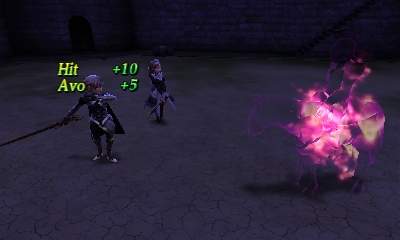
Mastering the combat controls in Fire Emblem Fates is crucial for success on the battlefield. The game utilizes a turn-based system where players move their units and initiate attacks. On the battlefield, you can select a unit by tapping on it or using the directional buttons. Once a unit is selected, a menu of actions will appear. The primary actions are "Move" and "Wait." When "Move" is selected, a grid will highlight all the spaces your unit can travel to, indicated by blue squares. The distance a unit can move is determined by its Speed stat and any terrain effects. After moving, you can then select an adjacent enemy unit to initiate an attack. The game will display a combat forecast screen, showing the potential damage your unit will inflict, the damage the enemy will deal, hit rates, critical hit rates, and avoid percentages. This forecast is vital for planning your attacks and minimizing unit losses. For example, if your unit has a 95% hit rate against a particular enemy, it's generally a safe attack, but if it's below 70%, you might reconsider or use an item like a "Vulnerary" to heal beforehand.
Beyond basic movement and attack, several other controls and mechanics are essential. The "Skills" option in the unit menu allows you to activate character-specific abilities, such as Corrin's "Dragon Fang" which can deal bonus damage, or Silas's "Armored Blow" which grants a defensive boost when attacked. The "Items" option lets you use healing items like "Potions" or "Elixirs," or deploy utility items. The "Guard" command allows a unit to forgo attacking and focus on defense, increasing its Avoid stat. When units are adjacent, you can also initiate a "Pair Up" command, which we will discuss in more detail later. The "End Turn" command concludes your phase, allowing the enemy to take their actions. On the touch screen, you can often zoom in and out of the map by pinching or spreading two fingers, and swipe to pan the camera. Understanding the nuances of these controls, such as the effect of terrain like forests (which grant +20 Avoid) or forts (which provide +10 Defense and +10 Resistance), is paramount. For instance, positioning a fragile unit like Elise on a forest tile can significantly increase her survivability against ranged attacks from enemies like Sorcerers.
[/GAP_1] [GAP_2]Menu Navigation & Management
Navigating the various menus in Fire Emblem Fates is a core aspect of managing your army and preparing for battle. The main menu, accessible from the World Map or the "My Castle" screen, provides access to several key areas. The "Units" menu is where you can view the stats, skills, and equipment of all your recruited characters. Here, you can also change their class if they have achieved the necessary promotion items, such as a Master Seal or Second Seal. For example, if you have a Level 10 Cavalier, you can promote them to a Paladin or Great Knight using a Master Seal. The "Items" menu allows you to manage your inventory, equip weapons and accessories to your units, and use consumable items. Each unit has a limited inventory space, so strategic item management is crucial. equip your strongest weapons, like the "Silver Sword," to your front-line fighters. The "Skills" menu lets you view learned skills and, in some cases, reass them if you've acquired specific DLC or through certain character interactions.
The "Castle" menu, accessed from "My Castle," is your hub for various activities. Here you can interact with your units, engage in "StreetPass" battles, visit other players' castles, and manage your buildings. Building structures like the "Armory" or "Shop" allows you to purchase new weapons and items, while structures like the "Dragon's Gate" unlock special challenge maps. The "Tactics" menu, often accessible during the preparation phase of a map, allows you to set unit positions, reorder your deployment, and ass specific roles. This is where you might decide to place your strongest units, like Xander with his Siegfried, on the front lines. The "Save" and "Load" functions are also critical for managing your progress. It's highly recommended to save frequently, especially before embarking on a difficult map. Understanding the flow between these menus—from preparing units in the "Units" menu, equipping them in the "Items" menu, and then deploying them strategically in the "Tactics" menu—is essential for efficient gameplay. For instance, before tackling a map with many flying enemies, you'd want to ensure units like Camilla are equipped with effective anti-air weapons and have their skills ready.