Understanding Forza Motorsport Car Classes
Forza Motorsport categorizes its extensive car roster into distinct classes, each defined by a performance index (PI) rating. These classes dictate the types of races you can enter and the level of competition you'll face. Mastering the nuances of each class is fundamental to building a successful racing career and earning credits efficiently. This guide breaks down the common car classes and offers strategic advice for each.
The Performance Index (PI) System
Every car in Forza Motorsport has a PI rating, which is a numerical representation of its overall performance potential. This rating is influenced by factors such as engine power, handling, braking, and tire grip. Races are typically restricted to cars within a specific PI range, ensuring fair competition. As you upgrade your cars, their PI will increase, allowing them to compete in higher-tier events.
Common Car Classes and Strategies
While the exact PI ranges can vary slightly between game modes and updates, here are some of the most common classes and how to approach them:
D Class (Entry Level)
- PI Range: Typically around 100-300.
- Characteristics: These are your starter cars and basic road vehicles. They have modest power and handling.
- Strategy: Focus on learning the fundamentals of driving and track layouts. Upgrades should prioritize improving braking and acceleration. Don't over-upgrade; a slightly higher PI car might be more competitive than a heavily modified D-class car.
C Class (Clubman)
- PI Range: Typically around 300-400.
- Characteristics: More capable road cars and entry-level race cars. Handling starts to become more important.
- Strategy: Begin to focus on tire upgrades for better grip and suspension tuning for improved cornering. Learn to carry speed through corners.
B Class (Sport)
- PI Range: Typically around 400-500.
- Characteristics: Performance-oriented road cars and more serious track-day vehicles. Downforce starts to become a factor.
- Strategy: Aerodynamic upgrades become more beneficial. Experiment with suspension tuning to find a balance between grip and responsiveness.
A Class (Grand Touring)
- PI Range: Typically around 500-600.
- Characteristics: High-performance sports cars and GT racers. These cars are fast and require precise inputs.
- Strategy: Mastering braking points and throttle control is crucial. Consider engine swaps or forced induction for significant power gains if allowed within the PI limit.
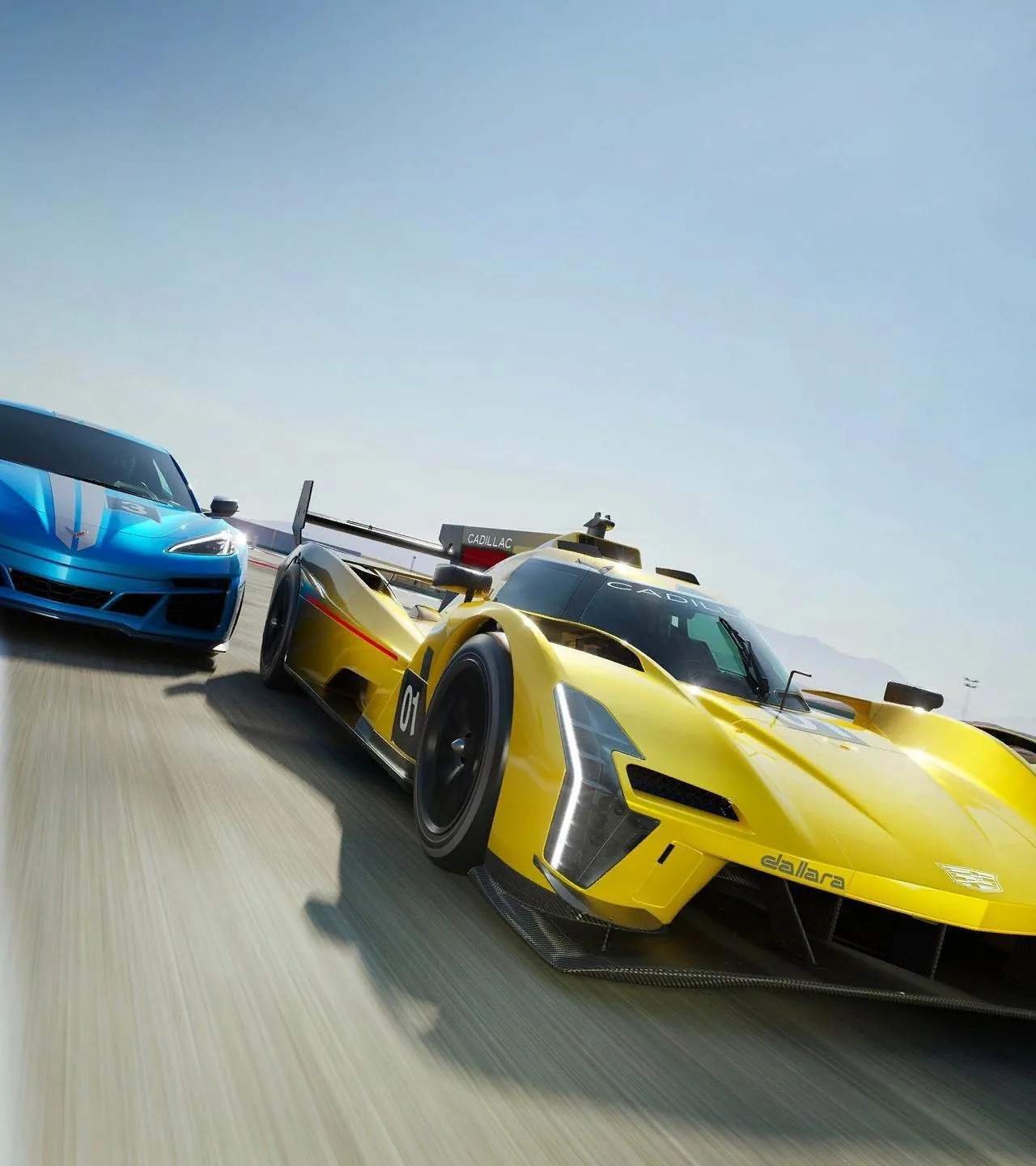
S Class (Prototype)
- PI Range: Typically around 600-700.
- Characteristics: Exotic sports cars, prototypes, and highly tuned machines. Extreme speeds and downforce.
- Strategy: Precision is paramount. Focus on maximizing downforce and ensuring your braking system can handle the immense speeds.
Open-Wheel Classes (Formula)
- PI Range: Varies greatly, often very high.
- Characteristics: Formula 1-style cars with immense downforce, lightweight construction, and extreme acceleration.
- Strategy: These cars demand the utmost precision. Smooth steering inputs, precise braking, and understanding aerodynamic grip are essential. Practice in Free Play to get a feel for their unique handling characteristics.
Building Your Strategy
When choosing a car for a specific race, consider not only the PI but also the track layout. A car with excellent straight-line speed might struggle on a twisty circuit, while a nimble car might be outmatched on a high-speed track. Always refer to the Car Mastery section for tips on upgrading and tuning your vehicles to optimize their performance within their respective classes.