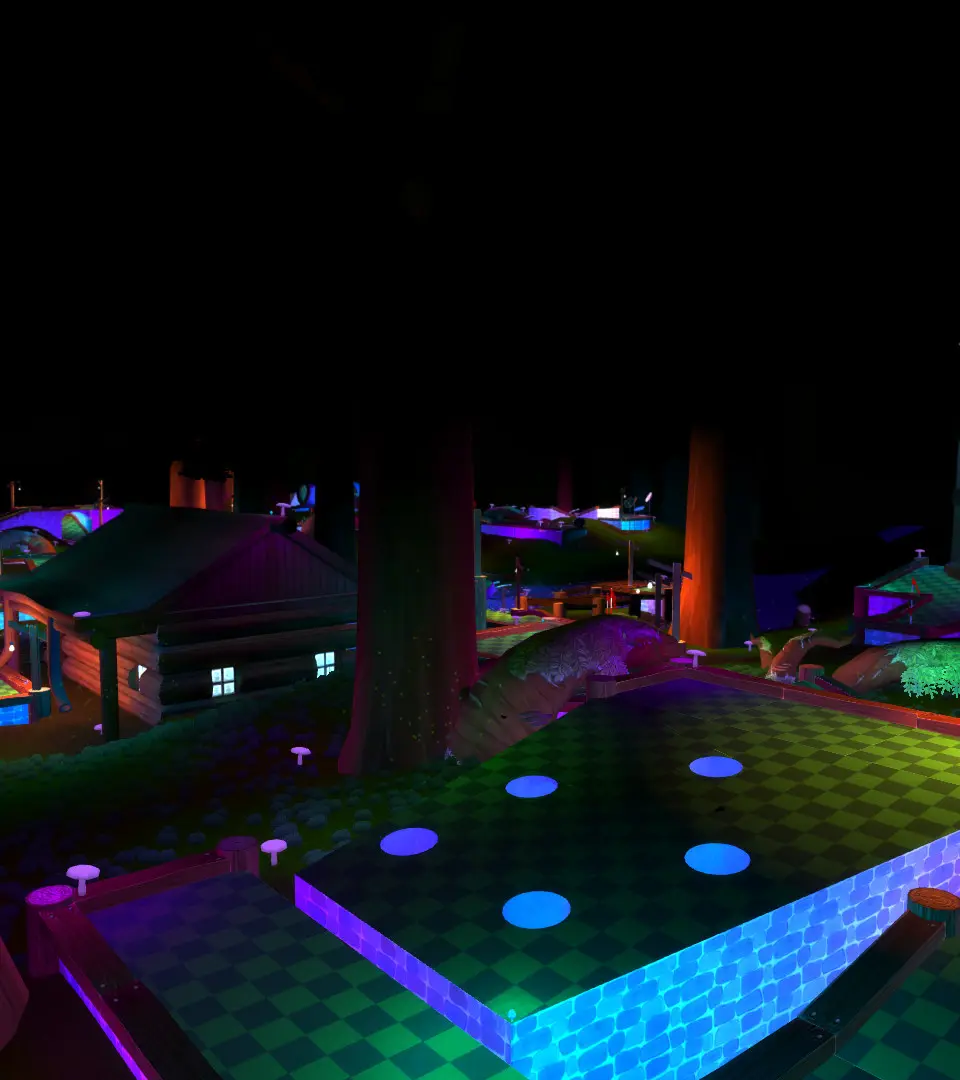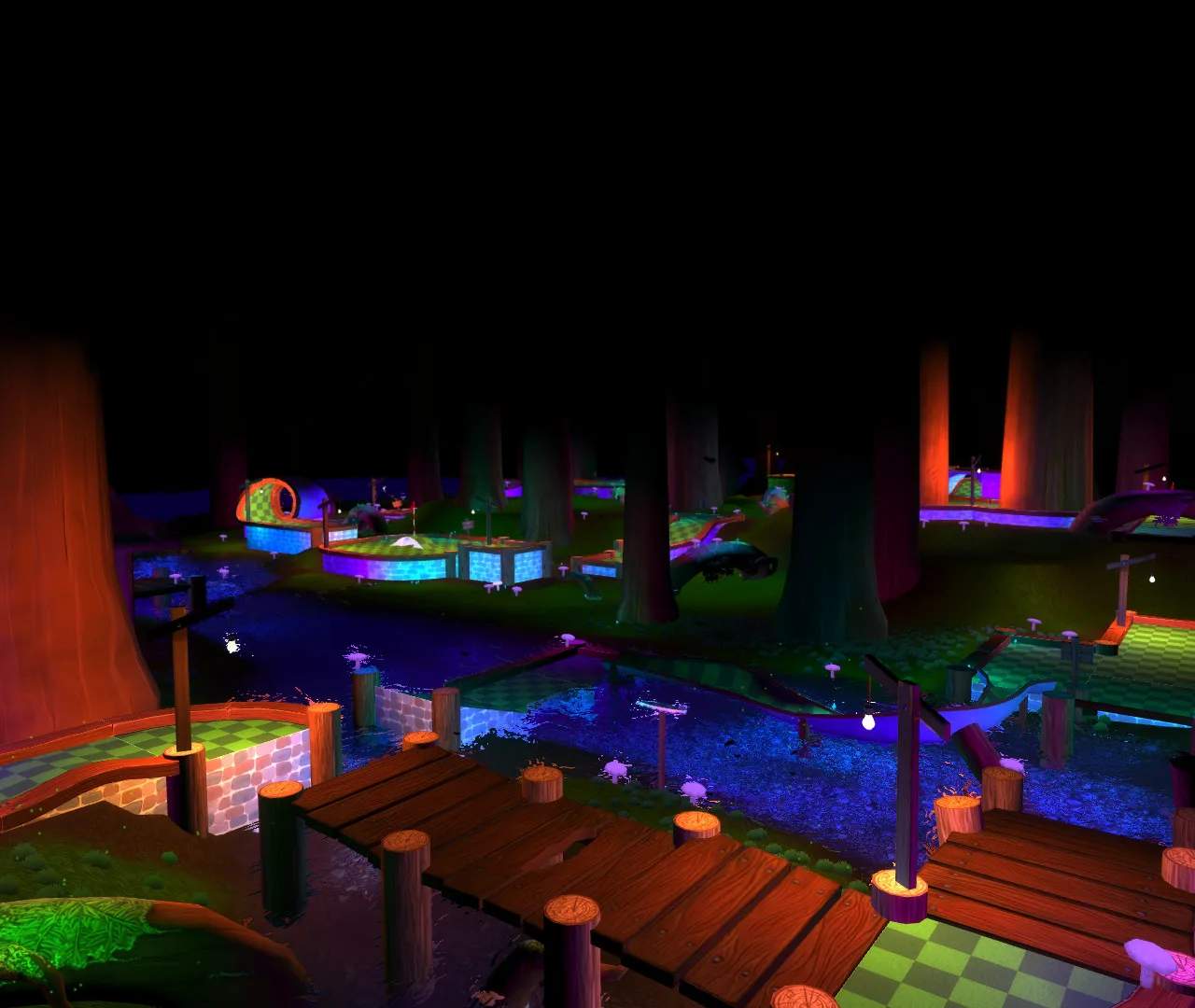
Forest Course: Hole 4-6 Strategies
Welcome to the Forest Course, a classic proving ground for any aspiring Golf With Your Friends champion! This section delves into the intricacies of Holes 4, 5, and 6, offering detailed, actionable strategies to help you shave strokes off your score and dominate the leaderboard. We'll cover precise shot placements, power recommendations, and how to navigate the unique environmental challenges each hole presents.
Hole 4: The Ricochet Rendezvous
Hole 4 is a par 3 that demands precision and an understanding of bank shots. The direct path to the hole is often obstructed, making a well-executed ricochet your best bet for a Birdie or even an Albatross.
- Objective: Navigate around a central rock formation using a bank shot off a glowing wall.
- Strategy - Initial Shot:
- Positioning: From the tee, aim your ball slightly to the left of the central rock formation. You'll want to be in a position where your shot can comfortably reach the glowing wall on the left side of the fairway.
- Power: Apply approximately 90% power. This is crucial for generating enough momentum for the ricochet to carry the ball across the gap and towards the hole.
- Aim Point: Target the glowing, reflective section of the wall. The ideal impact point is roughly one-third of the way up from the base of the wall, and slightly past the midpoint of the glowing section itself. This angle will ensure the ball bounces inward, not parallel to the wall.
- Ricochet Trajectory: If executed correctly, the ball will hit the glowing wall and ricochet sharply to the right, soaring over the central obstacle and landing on the green near the hole.
- Common Pitfalls:
- Too Little Power: The ball won't reach the glowing wall or will ricochet weakly, falling short of the green.
- Too Much Power: The ball might ricochet too far, potentially going out of bounds or overshooting the green into a hazard.
- Incorrect Aim: Hitting the wall at the wrong angle will send the ball off course, either into the central rock or away from the hole.
- Pro Tip: In multiplayer, observe how others' shots bounce. The glowing wall's properties are consistent, so learning from their attempts can inform your own.
Hole 5: The Multi-Level Ascent
Hole 5 is a par 4 characterized by its tiered structure, requiring two distinct phases of play: a powerful drive to the upper level and a delicate putt to the hole.
- Objective: Reach the elevated green and then navigate a sloped final approach.
- Strategy - Phase 1: Reaching the Upper Level:
- Positioning: From the tee, aim directly towards the ramp leading to the upper level. There are no significant obstacles in the initial path, so a straight shot is preferred.
- Power: Use full power (100%). This is essential to ensure your ball has enough momentum to climb the ramp and settle on the flat section of the upper tier. Anything less will likely result in the ball rolling back down to the lower level, costing you a stroke.
- Aim Point: Aim for the center of the ramp. Over-aiming left or right can cause the ball to clip the edges and lose momentum.
- Strategy - Phase 2: The Final Putt:
- Positioning: Once on the upper level, assess the slope. The hole is usually situated on a gentle downward slope.
- Power: This is where finesse comes in. Apply a very gentle putt, approximately 40% power. The slope will do much of the work for you.
- Aim Point: Aim directly at the hole. The slight downward slope will naturally guide the ball. Be wary of overshooting; a 40% putt is often enough to carry the ball past the hole if the slope is particularly steep.
- Common Pitfalls:
- Phase 1 - Underpowered Shot: The most common mistake is not using enough power to reach the upper level, forcing a re-shot from the lower tier.
- Phase 2 - Overpowered Putt: Hitting the ball too hard on the upper level will send it past the hole and potentially off the green, leading to an extra stroke.
- Pro Tip: On your second shot, if you're slightly off-center on the upper level, a very light tap (20-30% power) can be used to reposition before attempting the 40% putt.
Hole 6: The Moving Obstacle Gauntlet
Hole 6 is a par 3 that tests your timing and patience. The fairway is guarded by multiple synchronized moving obstacles that can easily knock your ball off course or into a hazard.
- Objective: Time your shot to pass through a series of moving obstacles to reach the green.
- Strategy - Timing is Everything:
- Observe the Pattern: Before taking your shot, carefully watch the movement pattern of the obstacles. They typically move in a synchronized fashion, creating a "widest gap" at regular intervals. Identify this optimal window.
- Positioning: From the tee, aim directly down the center of the fairway towards the general area where the obstacles create their widest gap.
- Power: Apply approximately 70% power. This power level is usually sufficient to carry the ball through the obstacle zone and onto the green without overshooting.
- Execute at the Widest Gap: The critical step is to initiate your shot precisely when the gap between the moving obstacles is at its absolute widest. This minimizes the chance of your ball being deflected.
- Follow Through: Once past the obstacles, the green is relatively straightforward. A gentle roll should guide you to the hole.
- Common Pitfalls:
- Poor Timing: Hitting the ball when the gap is closing or too narrow will almost guarantee a collision with an obstacle, sending your ball into a hazard or off the course.
- Incorrect Power: Too much power might send the ball through the gap too quickly, potentially hitting a subsequent obstacle or overshooting the green. Too little power might leave the ball vulnerable to being hit by a closing obstacle.
- Pro Tip: In multiplayer, if you're not the first to tee off, use your opponents' attempts to fine-tune your timing. Their successes and failures will provide valuable visual cues for the obstacle pattern. Sometimes, waiting for the obstacles to fully retract or extend before making your move can be safer than trying to hit a moving target.