Forest Course: Hole 4-6 Strategies
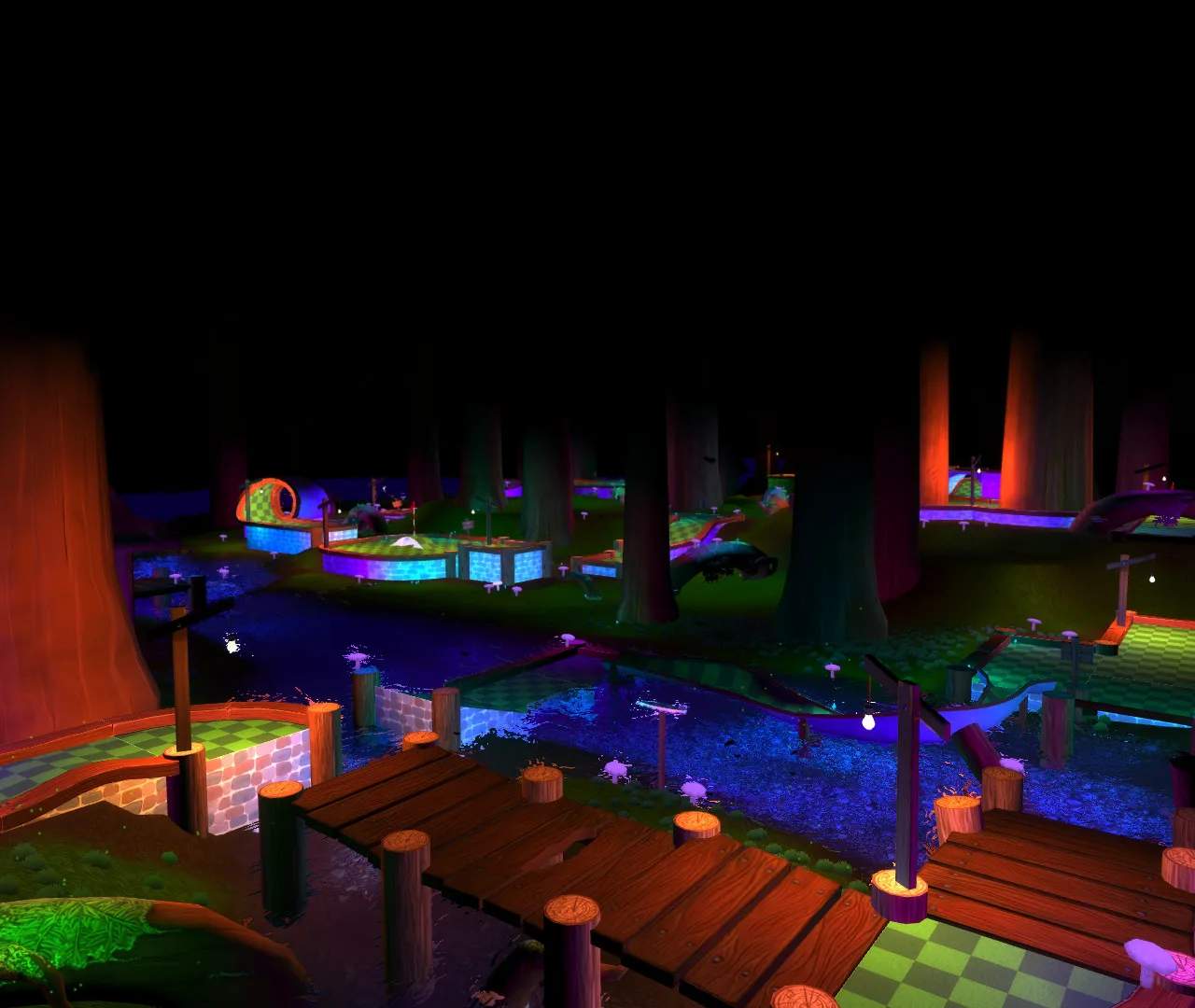
Welcome to the next set of challenges on the verdant Forest Course! Holes 4 through 6 introduce new environmental hazards and require a blend of precision, power, and careful timing. Mastering these holes will significantly improve your overall score and prepare you for the more complex layouts ahead. Pay close attention to power percentages and aiming points, as even slight deviations can lead to costly penalties.
Hole 4: The Lakeside Approach
Hole 4 is a par 3 that introduces a prominent water hazard, demanding a precise tee shot. The green is nestled behind a small pond, with a narrow strip of fairway leading up to it. The key here is to avoid the water at all costs, as a penalty stroke can be devastating so early in the game.
- Objective: Land safely on the green, avoiding the water hazard.
- Strategy:
- Tee Shot Setup: Position your ball slightly to the left of the center of the tee box. This gives you a better angle to approach the green without flirting too much with the water on the right.
- Aiming Point: Aim directly at the left edge of the green. There's a small, slightly elevated patch of grass just before the green that can serve as a safe landing zone if your shot is a little short.
- Power Application: Use approximately 75-80% power. This should be enough to clear the water and land softly on the green or just short of it. Too much power will send your ball over the back into the rough, while too little will result in a splashdown.
- Putting: The green on Hole 4 often has a subtle slope from back to front. If you land on the green, take a moment to observe the break before putting. A gentle putt with 30-40% power is usually sufficient for a two-putt par.
- Common Pitfalls:
- Under-powering: The most common mistake is not hitting the ball hard enough, leading to it falling into the water. Always err on the side of slightly more power if unsure.
- Over-powering: Sending the ball over the green into the dense rough behind can make your next shot difficult, often requiring a delicate chip back onto the green.
Hole 5: The Winding Path
Hole 5 is a par 4, a significantly longer and more intricate hole than its predecessors. It features a distinct bend to the right, requiring a powerful initial drive followed by a controlled approach. This hole tests your ability to plan multiple shots effectively.
- Objective: Navigate the bend and reach the hole in two shots.
- Strategy:
- First Shot (Drive):
- Setup: Position your ball in the center of the tee box.
- Aiming Point: Aim slightly to the left of the central tree line that marks the bend. You want to get as much distance as possible down the fairway without going into the rough.
- Power Application: Use a powerful shot, approximately 90-95% power. The goal is to get past the initial bend and set yourself up for a clear second shot to the green.
- Optimal Landing Zone: Your ideal landing zone is on the flat part of the fairway just after the bend, providing a direct line of sight to the green.
- Second Shot (Approach/Putt):
- Setup: From your landing position, assess the remaining distance to the hole.
- Aiming Point: Aim directly at the flag. The green on Hole 5 is relatively flat, but minor undulations can exist.
- Power Application: This shot requires control. Use approximately 45-55% power, depending on your distance from the hole. The aim is to land on the green and ideally get close enough for a tap-in or a short putt. If you're very close, a controlled putt with 30-40% power might be all you need.
- First Shot (Drive):
- Common Pitfalls:
- Under-powering the drive: Not getting past the bend on your first shot will leave you with an obstructed view for your second, potentially forcing an extra stroke to reposition.
- Over-powering the drive: Hitting the ball too hard can send it into the rough on the far side of the bend, making your approach shot much harder.
- Misjudging the second shot: Too much power on the approach can send your ball off the back of the green, while too little might leave you short in the rough or a bunker.
Hole 6: The Moving Platform Challenge
Hole 6 is a par 3 that introduces a dynamic element: a moving platform that acts as a bridge to the elevated green. This hole is a test of timing and precision, as a mistimed shot will send your ball plummeting into the abyss below.
- Objective: Time your shot perfectly to land on the moving platform and then onto the green.
- Strategy:
- Observation Phase: Before taking your shot, observe the movement pattern of the platform. It typically moves back and forth in a predictable rhythm. Identify the point in its cycle where it is closest to your tee box and stationary for a brief moment, or moving slowly towards you.
- Tee Shot Setup: Position your ball centrally on the tee box.
- Aiming Point: Aim directly at the center of the moving platform. Your goal is to land squarely on it.
- Timing is Everything: This is the most crucial aspect. Wait for the platform to be at its closest point to your ball, or just beginning its return journey towards you. As it reaches this optimal position, initiate your shot.
- Power Application: Use approximately 60-68% power. This power level should be enough to reach the platform comfortably without overshooting it. Too much power will send your ball over the platform and into the void, while too little will fall short.
- Second Shot (from Platform/Green): Once your ball lands on the platform, it will be carried towards the green. From here, you'll need a short, controlled putt to get into the hole. The green on Hole 6 is usually flat, so a gentle putt with 25-35% power should suffice. If your ball rolls off the platform onto the green, you're in an excellent position for a par.
- Common Pitfalls:
- Mistiming the shot: Hitting the ball when the platform is moving away or too far can result in missing it entirely and falling off the course.
- Incorrect power: Over-powering will send the ball past the platform, while under-powering will cause it to fall short. Both result in a penalty.
- Impatience: Rushing the shot without observing the platform's movement pattern is a common mistake. Take your time!
By carefully applying these strategies, you'll find yourself consistently scoring better on these challenging Forest Course holes. Remember to practice your power control and observe environmental cues. Good luck, and happy golfing!