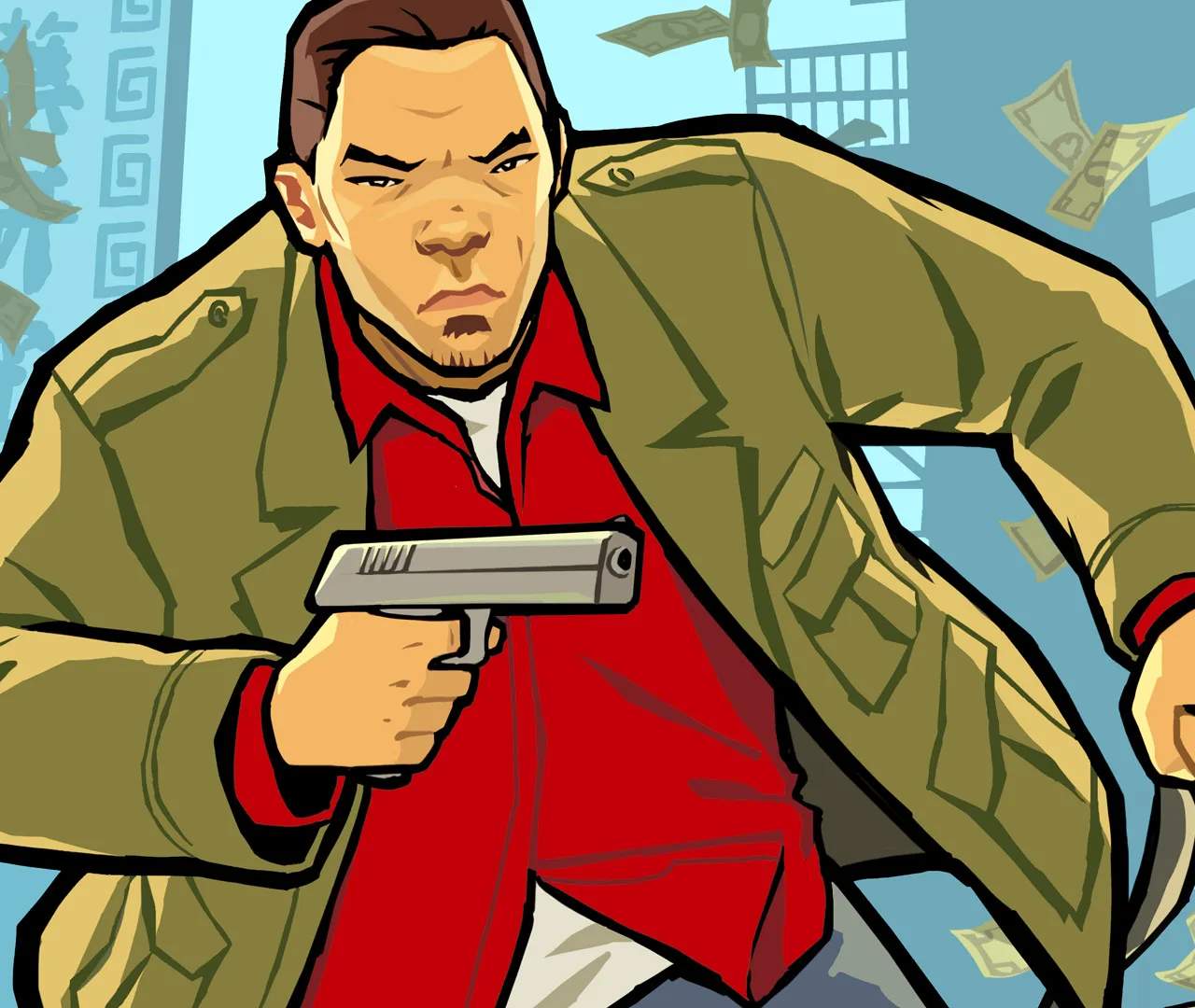
In Grand Theft Auto: Chinatown Wars, "The Boss" refers to a pivotal character who often acts as a mentor, employer, or antagonist to Huang Lee. Understanding their motivations, influence, and role in the narrative is crucial for navigating the complex web of alliances and betrayals that define the game's story. These figures often hold sificant power and can either aid or hinder your progress.
Who is The Boss?
The identity of "The Boss" can vary depending on the context and the specific mission. In many cases, it refers to the leader of a criminal organization that Huang Lee interacts with. This could be the head of the Triads, a powerful mafia don, or even a shadowy figure pulling strings from behind the scenes. They are typically well-connected, influential, and possess a deep understanding of Liberty City's criminal underworld.
The Boss's Influence on Huang Lee
The Boss often dictates Huang's early objectives, providing him with missions that are essential for his survival and for avenging his uncle. Their relationship can be complex, ranging from paternal guidance to outright manipulation. Huang must learn to discern who to trust and when to act independently.
Key Boss Characters and Their Roles
- Wu Lee: While not always directly referred to as "The Boss," Wu Lee, Huang's uncle, is a central figure who sets many of the initial events in motion. His death is the catalyst for Huang's quest for revenge.
- The Triad Leadership: Various elders and leaders within the Triads hold sificant power. Huang often has to prove himself to them or navigate their internal politics.
- Other Faction Leaders: As the story progresses, Huang will encounter leaders of other criminal organizations, such as the Yakuza or the Colombian Cartel, who can be considered "bosses" in their own right.
Navigating Boss Relationships
Success in Chinatown Wars often hinges on your ability to manage relationships with these powerful figures. This involves:
- Completing their missions: Fulfilling their requests earns their favor and unlocks further opportunities.
- Understanding their agendas: Knowing what each Boss wants helps you anticipate their actions and make informed decisions.
- Avoiding their wrath: Betraying or failing a Boss can have severe consequences, leading to increased hostility and dangerous missions.
The Boss as a Narrative Device
The concept of "The Boss" serves as a narrative device to drive the plot forward. These characters represent the established power structures within Liberty City's criminal landscape. Huang Lee, as an outsider seeking to reclaim his family's legacy, must either al himself with these bosses, usurp them, or find a way to operate independently of their control.
Strategic Implications
Interactions with "The Boss" often lead to critical gameplay moments. They might grant you access to new weapons, vehicles, or safehouses. Conversely, crossing them could lead to being hunted by their enforcers or having your businesses targeted. Always consider the implications of your actions on your relationship with the dominant figures in the city.