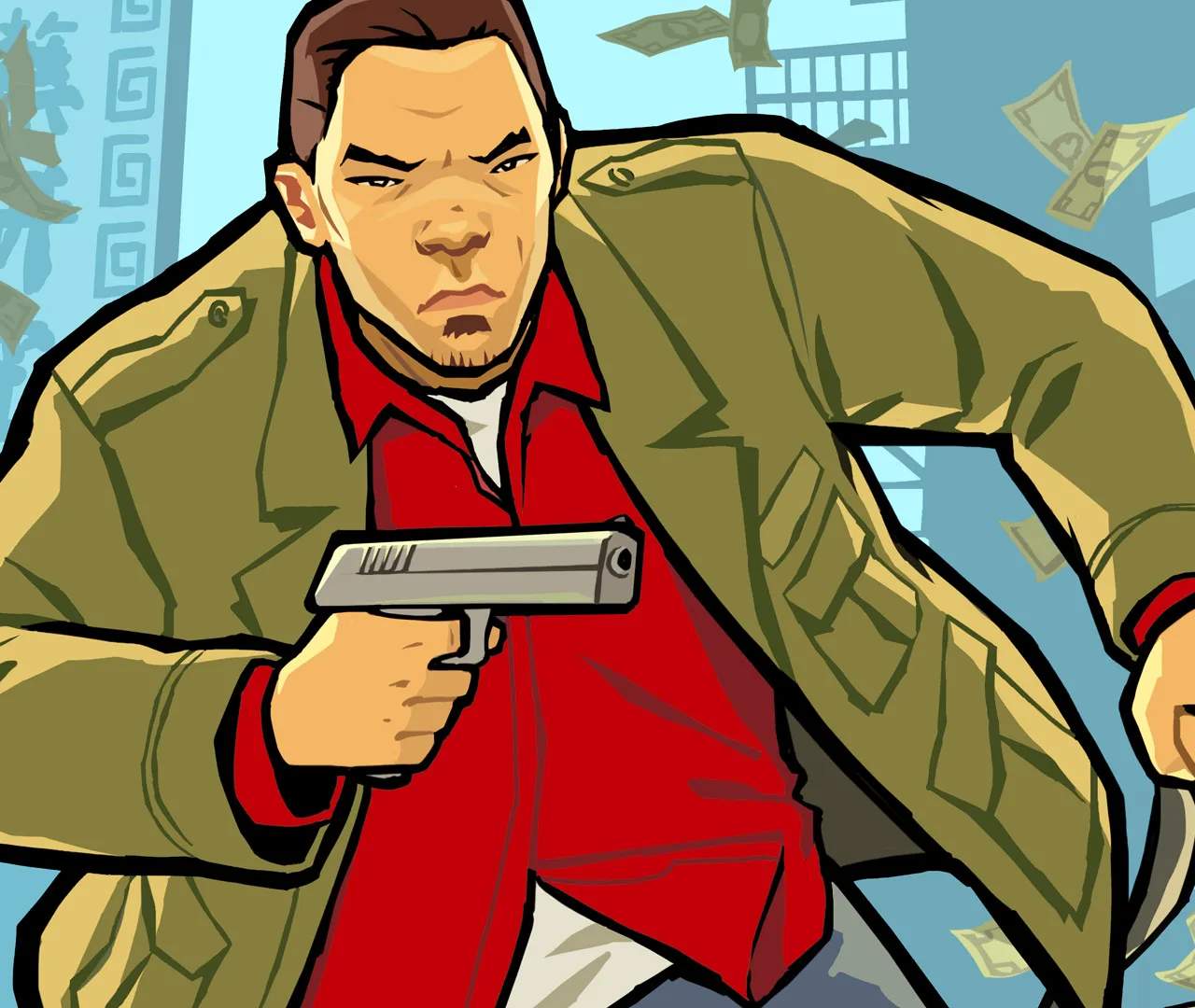
Grand Theft Auto: Chinatown Wars, like many entries in the series, is peppered with subtle and not-so-subtle pop culture references. These nods to films, music, and other games add a layer of depth and humor for observant players.
Film References
The GTA series has a long history of referencing iconic films, and Chinatown Wars is no exception. You might find:
- Gangster Film Homages: Dialogue, character archetypes, and mission scenarios often echo classic crime films like 'Goodfellas,' 'The Godfather,' and various Hong Kong action cinema.
- Specific Movie Titles: Certain mission names or in-game radio station parodies might directly reference movie titles or famous scenes.
- Character Inspirations: Some characters' appearances or mannerisms could be inspired by actors or specific film characters.
Music and Radio References
The in-game radio stations are a prime source of musical and cultural references. While Chinatown Wars has a more focused soundtrack, the parodied advertisements and DJ banter often contain:
- Parody Songs: Familiar song structures or lyrical themes are twisted to fit the GTA universe.
- Musical Genre Homages: The selection of music often reflects specific genres popular in the eras or cultures being parodied.
- DJ Commentary: Radio hosts might make jokes or observations that allude to real-world music trends or artists.
Video Game Parodies
Given its platform (Nintendo DS), Chinatown Wars also includes nods to other video games:
- Gameplay Mechanics: Certain mini-games or mission structures might subtly reference mechanics from other popular titles.
- Character Cameos (Subtle): While rare, there might be visual cues or dialogue that hint at characters from other games.
General Cultural References
Beyond specific media, the game draws from broader cultural touchstones:
- Brand Parodies: Familiar real-world brands are often satirized with slightly altered names and logos.
- Social Commentary: The game uses humor and satire to comment on various aspects of society, from consumerism to media influence.
- Internet Culture: While less prevalent on the DS, some references might touch upon early internet memes or online phenomena.
How to Spot Them
Keep an eye out for:
- Dialogue: Pay close attention to what characters say; witty remarks and obscure references are common.
- Vehicle Names and Dess: Many vehicles are parodies of real-world cars, with names that hint at their inspirations.
- Building Sage and Advertisements: Look at the details in the environment; they often contain subtle jokes or references.
- Radio Content: Listen to the radio stations, not just for the music, but for the ads and DJ chatter.
These pop culture references enrich the game world, making it feel more alive and relatable to players familiar with the sources.