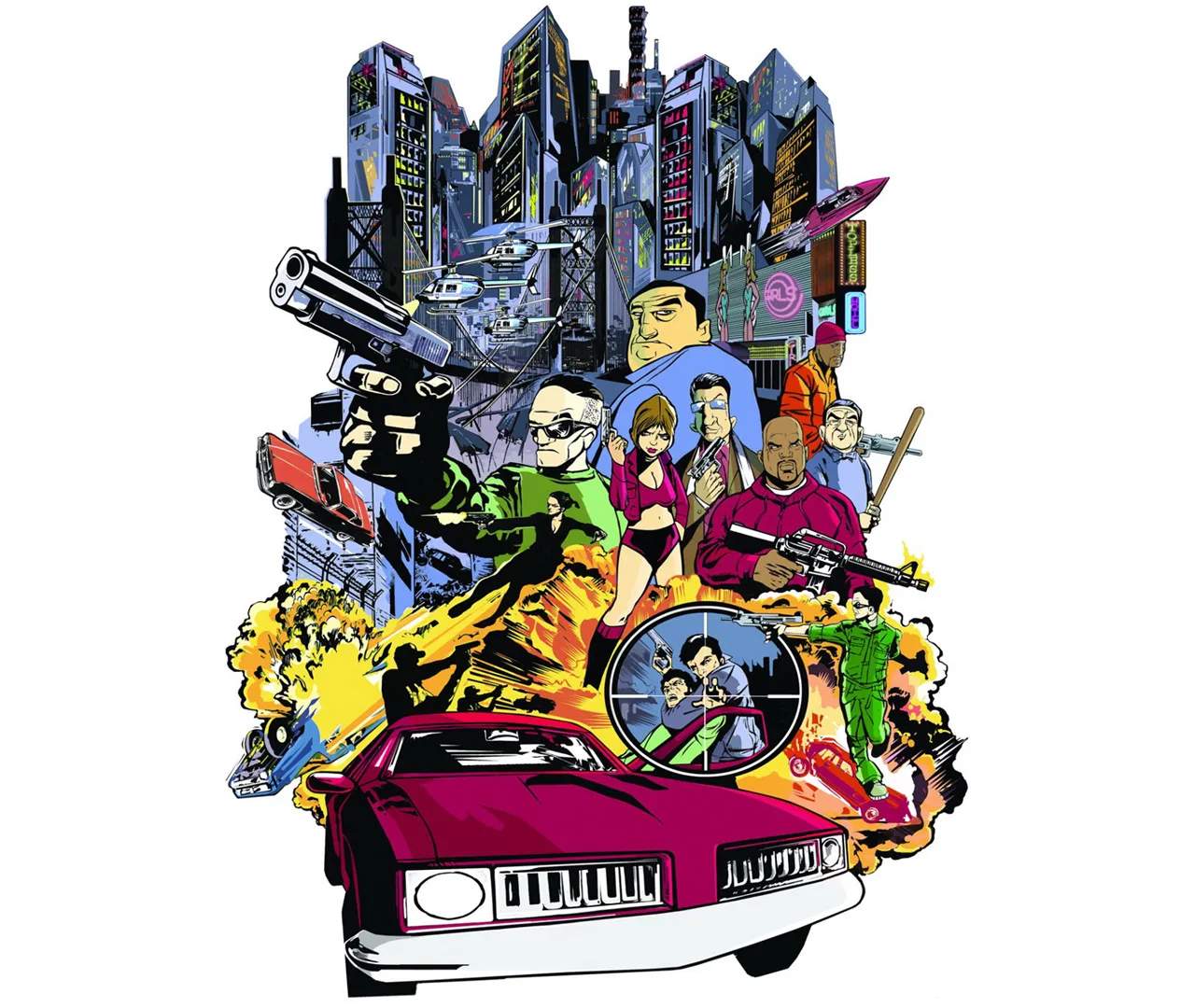
Mastering the driving mechanics in Grand Theft Auto III is fundamental to success, from navigating busy streets to executing daring escapes. This guide breaks down the core elements of vehicle handling and physics.
The Art of Driving in Liberty City
Grand Theft Auto III's driving mechanics are a cornerstone of its gameplay. While seemingly straightforward, understanding the nuances of how vehicles handle, react to the environment, and interact with other objects is crucial for survival and mission success. From the nimble motorcycles to the lumbering trucks, each vehicle possesses unique characteristics that influence acceleration, braking, turning radius, and durability. Mastering these mechanics allows you to navigate the complex urban landscape of Liberty City with confidence and efficiency.
Core Driving Mechanics Explained
The driving system in GTA III is built around several key principles:
- Acceleration and Braking: The rate at which a vehicle speeds up and slows down is determined by its engine power and brake effectiveness. Faster vehicles require more precise braking to avoid overshooting turns.
- Steering and Turning Radius: Each vehicle has a different turning radius. Smaller, lighter vehicles can make sharper turns, while larger, heavier ones require more space. Leaning into turns (by holding the direction key) can help improve cornering.
- Weight and Momentum: Vehicle weight sificantly impacts how they handle. Heavier vehicles are more stable but slower to change direction. Momentum is crucial; once a vehicle is moving, it's harder to stop or change direction quickly.
- Traction and Drifting: While not as pronounced as in later GTA titles, traction is still a factor. Driving on wet surfaces or loose gravel can reduce grip. The handbrake can be used to initiate controlled slides or quick U-turns.
- Collisions and Damage: Vehicles sustain damage from impacts. Minor collisions might cause cosmetic damage, while severe crashes can lead to mechanical failure, fires, or even explosions. You character can also be injured or killed by impacts.
Vehicle Classes and Their Handling
Different vehicle classes behave distinctly:
- Motorcycles: Highly agile and fast, but offer little protection and are prone to flipping.
- Cars (Sedans, Coupes): Balanced handling, moderate speed, and decent durability. The most common and versatile vehicles.
- Vans and Trucks: Slower acceleration and wider turning radii, but offer greater durability and can ram through obstacles more effectively.
- Sports Cars: High acceleration and top speed, often with responsive handling, but can be less durable than some sedans.
Tips for Effective Driving
- Practice Makes Perfect: Spend time driving around Liberty City without missions to get a feel for different vehicles.
- Anticipate Turns: Look ahead and begin braking and steering well before a corner.
- Use the Handbrake Sparingly: It's useful for quick maneuvers but can easily lead to spins if overused.
- Understand Vehicle Strengths: Choose the right vehicle for the job. A fast car for chases, a sturdy truck for ramming.
- Be Aware of Traffic: Liberty City is a busy place. Anticipate the movements of other vehicles and pedestrians.
By internalizing these driving mechanics, you'll find yourself navigating Liberty City's treacherous roads with greater ease and efficiency, turning potential hazards into opportunities.