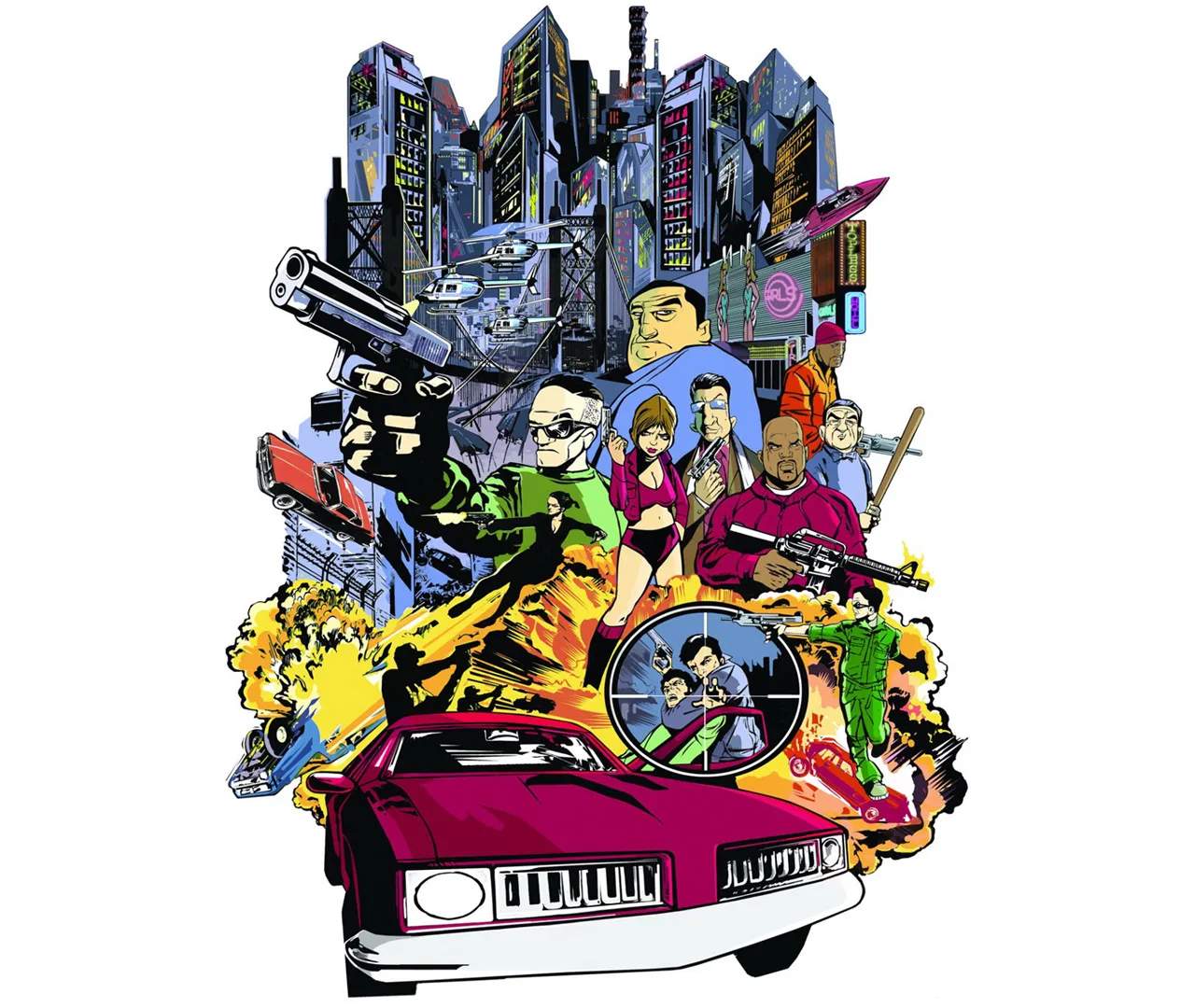
The Vehicle Damage System in Grand Theft Auto III is a crucial element that impacts gameplay, from high-speed chases to combat scenarios. Vehicles can sustain damage from collisions, gunfire, and explosions, affecting their performance and eventually leading to destruction. Understanding how damage works is vital for survival and successful mission completion.
How Vehicle Damage Works
Vehicles have a health bar that depletes as they take damage. This damage is visually represented by dents, broken windows, smoke, and eventually, flames. The type and severity of damage affect the vehicle's handling, speed, and structural integrity.
Sources of Damage
- Collisions: Crashing into other vehicles, buildings, or objects will cause damage. The speed and angle of impact determine the severity.
- Gunfire: Being shot by enemies will damage the vehicle. Different weapons inflict varying amounts of damage. Tires can be shot out, disabling the vehicle.
- Explosions: Grenades, Molotov Cocktails, Rocket Launchers, and car explosions can cause sificant damage to nearby vehicles.
- Fires: If a vehicle catches fire, it will continue to take damage over time until it explodes or is repaired.
Effects of Damage on Performance
As a vehicle takes damage, its performance degrades:
- Tire Damage: Blown tires will make the vehicle difficult to control, especially at high speeds.
- Engine Damage: Smoke and flames indicate engine damage, which can lead to reduced speed and eventual breakdown.
- Structural Damage: Dents and broken windows can affect aerodynamics and visibility.
- Total Destruction: If a vehicle's health reaches zero, it will explode, potentially harming the occupants and nearby individuals.
Repairing and Maintaining Vehicles
The primary method for repairing vehicles is by driving them into a Pay 'n' Spray garage. These garages, marked by a spray can icon on the map, will not only repaint your vehicle (lowering your Wanted Level) but also fully repair any damage it has sustained. This is essential for maintaining your vehicles throughout the game.
| Damage Indicator | Meaning |
|---|---|
| Minor Dents | Slight cosmetic damage, minimal performance impact. |
| Broken Windows | Reduced visibility, minor structural integrity loss. |
| Smoke from Hood | Engine damage, reduced speed and acceleration. |
| Flames | Severe engine damage, imminent explosion. |
| Blown Tires | Loss of control, reduced speed. |
Strategic Implications
Understanding the damage system allows for strategic gameplay. For instance, you can intentionally damage enemy vehicles to disable them or cause them to explode. Conversely, you must learn to protect your own vehicle during combat or chases by avoiding unnecessary risks and utilizing Pay 'n' Sprays whenever possible.
Vehicle Durability
Different vehicles have varying levels of durability. Armored vehicles and larger trucks can withstand more damage than smaller cars or motorcycles. Choosing the right vehicle for a mission based on its durability can be a key factor in success.