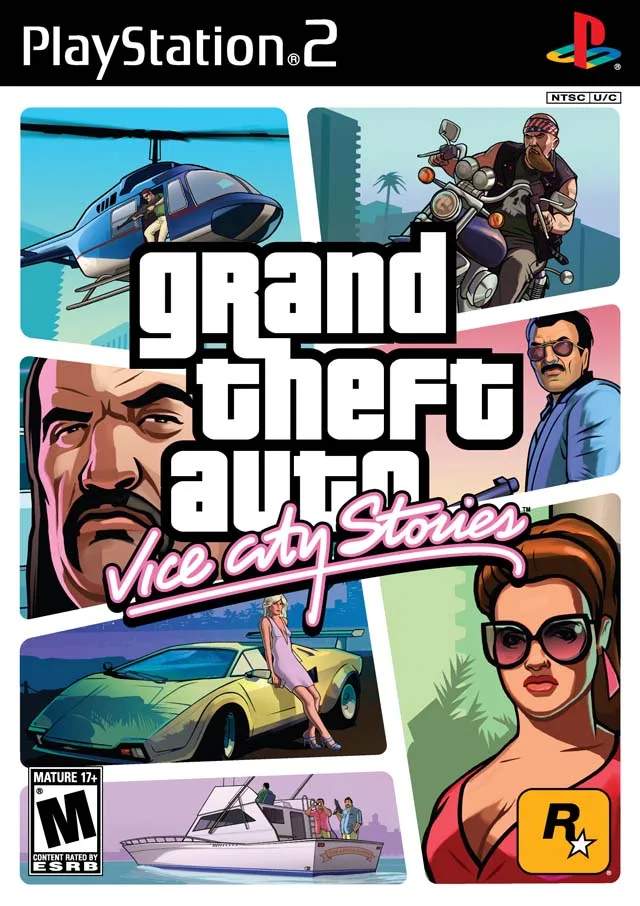
Buildings in Vice City Stories
In Grand Theft Auto: Vice City Stories, buildings are not collectibles in the traditional sense, but they are the very foundation of the game's world. The city of Vice City is a sprawling metropolis composed of countless structures, each with its own unique architecture and purpose, contributing to the immersive 1980s atmosphere. Exploring these buildings is key to progressing through the story and discovering the city's secrets.
From the neon-drenched hotels of Ocean Drive to the grimy industrial warehouses and the opulent mansions of the wealthy, each building tells a story. Many buildings serve as mission locations, safehouses, or businesses where Victor Vance can interact with the world. The variety of architectural styles reflects the diverse influences on Vice City, from art deco to modern des, all filtered through the lens of the 1980s.
Key Building Types and Their Sificance:
- Residential Buildings: Apartments, houses, and mansions, offering glimpses into the lives of Vice City's inhabitants.
- Commercial Establishments: Shops, restaurants, bars, and nightclubs, forming the economic backbone of the city.
- Industrial Zones: Warehouses and factories, often associated with illicit activities and criminal enterprises.
- Government and Public Buildings: Police stations, hospitals, and city hall, representing the city's infrastructure and authority.
- Entertainment Venues: Theaters, arcades, and clubs, providing leisure and cultural experiences.
The des of these buildings is crucial to establishing the game's distinct 1980s aesthetic. The vibrant colors, the use of glass and chrome, and the overall sense of excess are all reflected in the architecture. While you can't collect buildings, understanding their placement and function within the city is essential for navigating Vice City and completing your objectives. They are the tangible elements that bring the game world to life.