Images
The world of Vice City Stories is brought to life through several images, from in-game textures and character portraits to loading screens and promotional art. These visual elements are crucial for establishing the game's atmosphere, conveying narrative information, and enhancing the player's overall experience. Understanding their role can deepen your appreciation for the game's des.
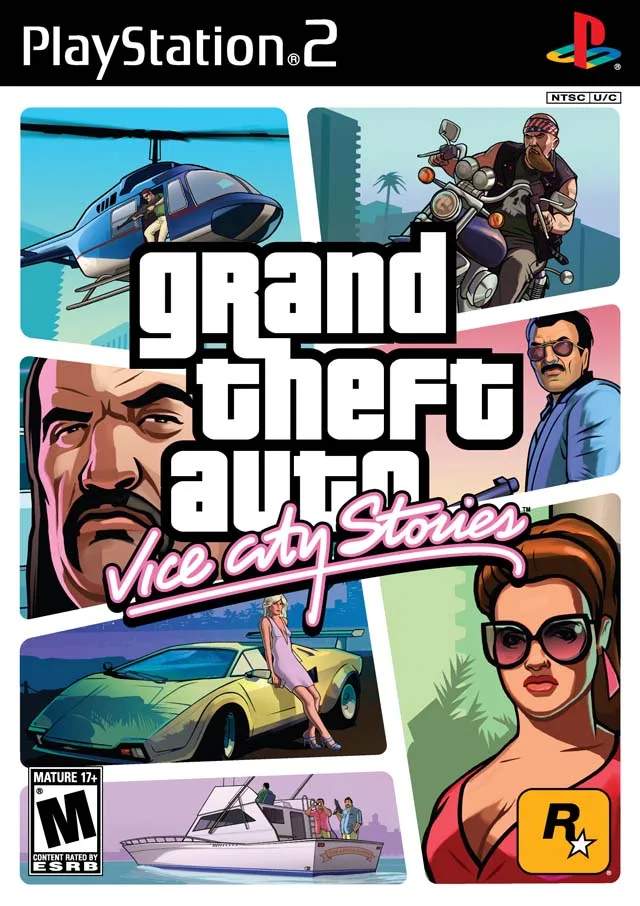
Grand Theft Auto: Vice City Stories is a visually rich experience, and images play a fundamental role in its presentation. Within the game itself, textures form the surfaces of buildings, vehicles, and characters, contributing to the overall realism and aesthetic. Character portraits often appear in menus or during dialogue sequences, providing a visual representation of the individuals you interact with. Loading screens frequently feature stylized images that hint at upcoming missions or showcase iconic locations, building anticipation and setting the mood. Even the game's interface, including icons and HUD elements, relies on graphical images to convey information efficiently. Outside the game, promotional images and box art have played a sificant role in marketing Vice City Stories, capturing the essence of its 1980s setting and its charismatic protagonist. These images often highlight the game's vibrant colors, iconic fashion, and thrilling action. The developers have carefully curated these visual assets to ensure a cohesive and engaging experience, making Vice City feel like a living, breathing world.
Key uses of images in Vice City Stories:
- Textures: Forming the surfaces of the game world, from roads to clothing.
- Character Portraits: Visual representations of characters during dialogue and menus.
- Loading Screens: Setting the mood and hinting at gameplay elements.
- Interface Elements: Icons, menus, and HUD graphics for information display.
- Promotional Art: Marketing materials that capture the game's essence and atmosphere.
The careful use of images in Vice City Stories contributes sificantly to its immersive quality. They are not just decorative; they are functional elements that guide the player, convey narrative, and reinforce the game's unique 1980s identity. Whether it's the gritty texture of a brick wall or the stylized depiction of a character, each image serves a purpose.
Observe the images; they are the building blocks of Vice City's visual world.