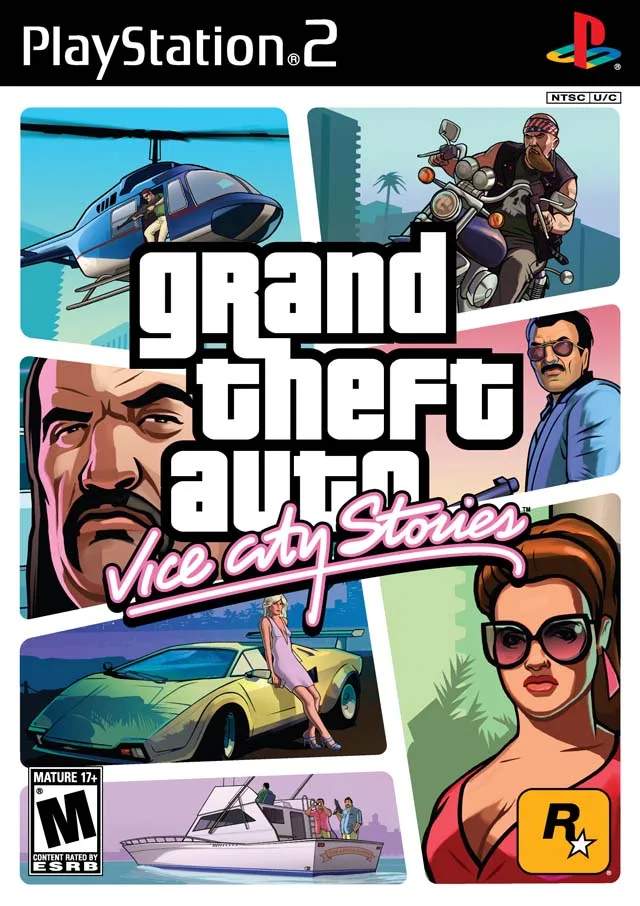
Principles in Vice City Stories
Principles in Grand Theft Auto: Vice City Stories are the fundamental rules and guiding tenets that govern the game's world, its characters' actions, and the player's progression. These are the underlying moral, ethical, or practical guidelines that shape the experience, even within a criminal context.
While Vice City is a lawless environment, it operates under its own set of principles. These can be the unspoken rules of the criminal underworld, the operational guidelines for businesses, or the fundamental mechanics that dictate how the game world functions. Understanding these principles allows players to navigate the city more effectively and achieve their goals.
Key Principles in Vice City Stories:
- Survival of the Fittest: In the cutthroat world of Vice City, the strongest and most ruthless often prevail. This principle dictates that Victor Vance must constantly be vigilant, ready to defend himself and his interests.
- Loyalty and Betrayal: While loyalty is a prized commodity, betrayal is also a constant threat. The game explores the complex dynamics of trust within criminal organizations, where alliances can shift rapidly. The relationship between Victor and Lance Vance is a prime example of this principle in action.
- The Pursuit of Power and Wealth: The overarching principle driving much of the narrative is the relentless pursuit of power and financial gain. Characters are motivated by ambition, and their actions are often dictated by the desire to climb the criminal hierarchy.
- Consequences for Actions: The game operates on a principle of cause and effect. Committing crimes leads to police attention, engaging in gang warfare results in retaliation, and poor business decisions can lead to financial ruin. The wanted level system is a direct embodiment of this principle.
- The 1980s Ethos: The game adheres to the principles of its setting – a time of excess, ambition, and a certain moral ambiguity. This is reflected in the music, fashion, and the general attitude of the characters.
- Player Agency and Freedom: A core principle of the Grand Theft Auto series is player freedom. Players are given the agency to choose their path, whether it's focusing on missions, engaging in side activities, or simply causing chaos.
- Business Acumen (within the criminal context): Even criminal enterprises require a degree of business sense. Principles of investment, risk management, and market control are applied, albeit in a criminal fashion, to build and maintain an empire.
Applying Principles for Success:
Players who understand and apply these principles can achieve greater success:
- Embracing 'Survival of the Fittest': Being prepared for combat and understanding when to fight or flee.
- Navigating Loyalty and Betrayal: Being cautious about who to trust and anticipating potential betrayals.
- Focusing on Power and Wealth: Strategically pursuing missions and businesses that lead to greater influence and financial gain.
- Respecting Consequences: Understanding how to manage the wanted level and avoid unnecessary risks.
Conclusion:
The principles in Grand Theft Auto: Vice City Stories are the fundamental rules and tenets that govern the game's world and its inhabitants. From the harsh realities of survival to the complex dynamics of loyalty and betrayal, these principles shape the player's experience and offer a framework for understanding the motivations and actions within the game.