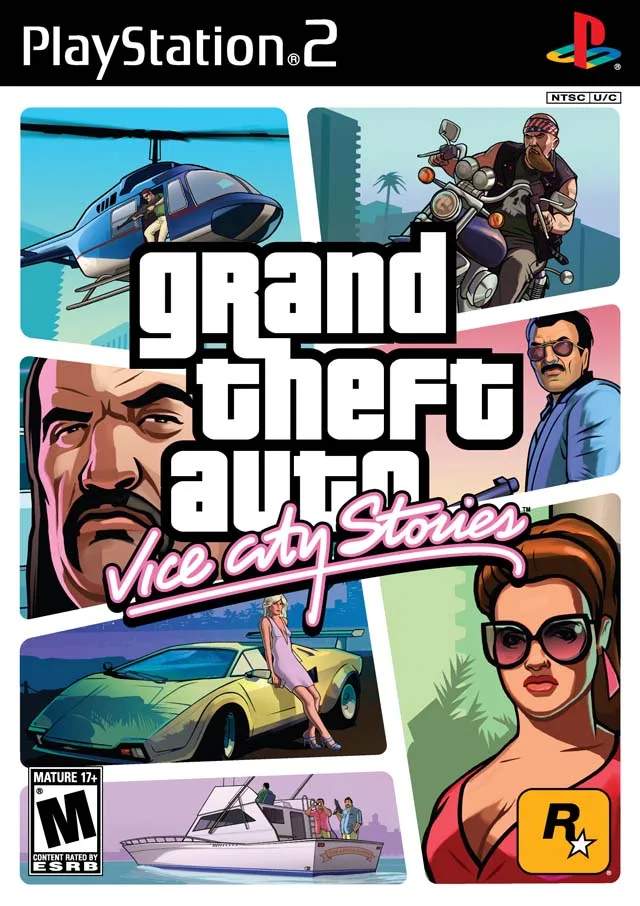
Structures in Vice City Stories
While Grand Theft Auto: Vice City Stories doesn't have a specific list of collectible 'structures,' the game world is built upon a vast array of them, from towering skyscrapers to intricate bridges and sprawling complexes. These structures are not just scenery; they are integral to the gameplay, mission des, and the overall immersive experience of the 1980s Vice City.
Players will navigate through, over, and around numerous structures as they complete missions and explore the city. These can include anything from the iconic art deco buildings of Ocean Drive to the industrial docks, the sprawling airports, and the intricate network of roads and bridges that connect the islands. Each structure contributes to the unique character and atmosphere of Vice City, reflecting the era's architectural trends and urban development.
Key Types of Structures:
- Bridges: Essential for traversing the islands, offering scenic views and often serving as mission objectives or escape routes.
- Tunnels: Provide alternative routes and can be crucial for evading law enforcement.
- Airports: Large, complex areas with hangars, runways, and terminals, often featuring in high-stakes missions.
- Docks and Ports: Industrial areas with warehouses, cranes, and ships, frequently used for smuggling operations.
- Stadiums and Arenas: Large venues that can host events and are sometimes involved in criminal activities.
- Skyscrapers: Dominating the city skyline, these buildings house businesses and offer opportunities for aerial combat or escapes.
The des of these structures is meticulously crafted to evoke the feel of 1980s Miami, with its blend of art deco, modernism, and tropical influences. The sheer scale and variety of structures ensure that Vice City feels like a living, breathing, and dynamic environment. While you can't collect them, understanding their layout and purpose is vital for successful navigation and mission completion.