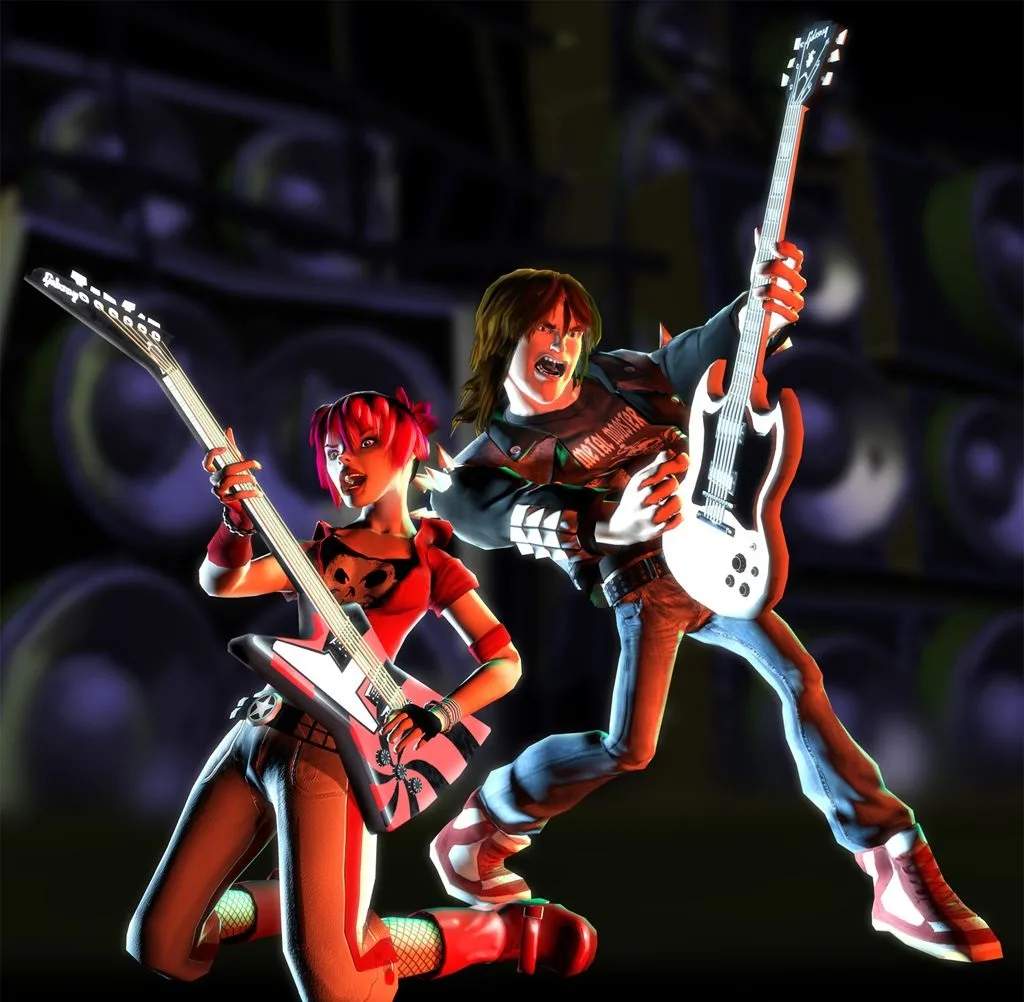
Game Modes Overview
Welcome, aspiring rock legends, to the definitive guide to Guitar Hero II Arcade's game modes! Understanding these modes is crucial for maximizing your stage presence, earning those coveted high scores, and ultimately becoming a true Guitar Hero. Unlike its console counterparts, the arcade version streamlines the experience, focusing on immediate, high-octane fun. Let's break down what you'll encounter when you drop that coin.
1. Quick Play
This is the bread and butter of the arcade experience, designed for instant gratification. Quick Play allows you to jump straight into a song of your choice without the commitment of a career progression. It's perfect for a quick jam session, practicing a tricky riff, or challenging a friend to a head-to-head battle.
- How to Access: From the main menu, select "Quick Play" using the strum bar and fret buttons.
- Song Selection: You'll be presented with the full list of available songs. Use the Green and Red fret buttons to scroll through the tracks, and the Yellow button to confirm your selection. Pay attention to the difficulty rating displayed next to each song title – represented by a star system (1-5 stars) – to pick a challenge appropriate for your skill level.
- Difficulty Selection: After choosing a song, you'll select your preferred difficulty: Easy, Medium, Hard, or Expert. This choice significantly impacts the note chart density and speed. Beginners should start with Easy or Medium to get a feel for the controls and timing.
- Strategy: In Quick Play, the goal is simple: achieve the highest score possible. Focus on hitting every note, maintaining your multiplier, and deploying Star Power strategically. This mode is excellent for learning specific song patterns and improving your accuracy without the pressure of a career.
2. Co-op Mode (2-Player)
Guitar Hero II Arcade truly shines in its cooperative mode, allowing two players to share the stage as a dynamic duo. One player takes on the lead guitar, while the other handles the bass. This mode requires teamwork and synchronized playing to achieve the highest band score.
- How to Access: Select "Co-op Mode" from the main menu. Both insert credits to begin.
- Instrument Roles:
- Lead Guitar: Typically uses the left-hand guitar controller. Plays the primary melody and solo sections.
- Bass Guitar: Typically uses the right-hand guitar controller. Plays the rhythmic bass lines, often simpler but crucial for maintaining the groove.
- Shared Star Power: Star Power is a shared resource in Co-op Mode. Both players contribute to filling the Star Power meter by hitting Star Power phrases. When activated by either player (tilting the guitar or pressing the Star Power button), it boosts the score multiplier for both players simultaneously. Coordinate activations for maximum impact, especially during high-scoring sections.
- Team Score: Your performance is judged as a band, with a combined score displayed. Missing notes by either player will affect the band's rock meter. If the rock meter drops too low, the band fails the song.
- Strategy: Communication is key! Call out Star Power activations, and if one player is struggling, the other can try to compensate by hitting more notes perfectly. Bass lines, while sometimes less complex, are vital for maintaining the multiplier, so don't underestimate their importance. Practice together to learn each other's playing styles and anticipate sections where one player might need support.
3. Versus Mode (2-Player)
For those with a competitive spirit, Versus Mode pits two players against each other in a direct head-to-head battle for rock supremacy. Each player chooses their own difficulty and attempts to outscore their opponent on the same song.
- How to Access: Select "Versus Mode" from the main menu. Both insert credits.
- Individual Performance: Unlike Co-op, each player has their own rock meter and score. Your performance directly impacts only your own standing.
- Star Power Attacks: A unique feature of Versus Mode is the ability to use Star Power as an offensive tool. When you activate Star Power, not only does it boost your score, but it also sends an "attack" to your opponent. These attacks can manifest as temporary note chart distortions, missing notes, or other hindrances designed to throw them off their game.
- Strategy: This mode is all about strategy and timing. Don't just save Star Power for your own high-scoring sections; consider deploying it when your opponent is in the middle of a complex solo or a long streak to break their concentration and multiplier. Conversely, be prepared to counter your opponent's attacks by maintaining focus and adapting to the on-screen chaos. You with the highest score at the end of the song wins bragging rights!