Introduction
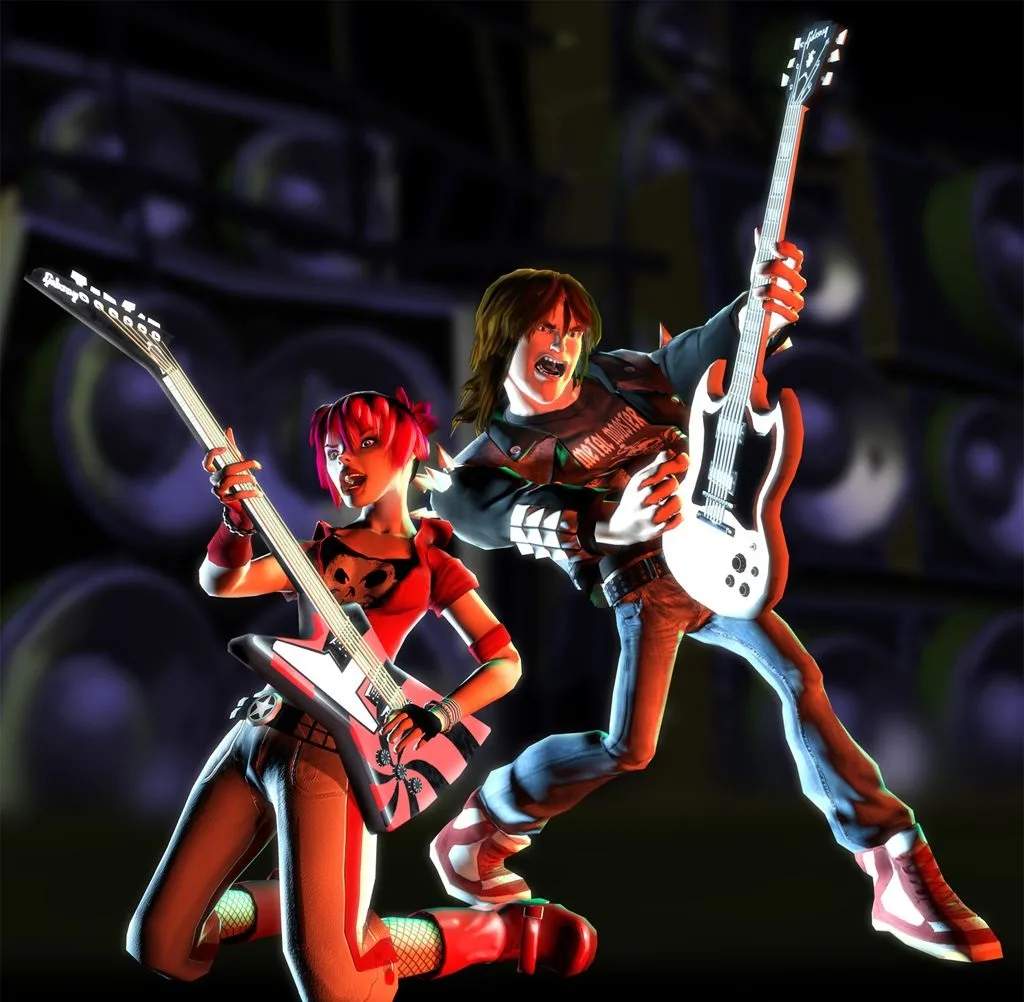
Welcome, aspiring rock legends, to the definitive guide for Guitar Hero II Arcade! Whether you're a seasoned shredder or just picking up the axe for the first time, this guide will equip you with the knowledge and strategies to conquer every stage, master every riff, and leave the crowd screaming for an encore. Unlike its console counterparts (PS2, Xbox 360), the arcade version offers a unique, high-octane experience designed for quick, intense bursts of rock glory. Forget the lengthy career modes; here, it's all about immediate gratification and high scores.
Getting Started: Your First Gig
Upon inserting your credits, you'll be greeted by the main menu. Navigation is straightforward, primarily using the strum bar and fret buttons. Here’s a breakdown of your initial choices:
- Select Song: This is your primary destination. Choose from a curated list of rock anthems. The song list in the arcade version is a blend of fan favorites from the console game, often featuring tracks like "Sweet Child o' Mine," "Message in a Bottle," and "War Pigs." Pay attention to the difficulty rating displayed next to each song title – represented by a star system – to gauge its challenge.
- Difficulty Selection: Before diving into a song, you'll choose your difficulty. The arcade offers:
- Easy: Perfect for beginners, focusing on basic strumming and fewer notes.
- Medium: A good stepping stone, introducing more complex patterns and hammer-ons/pull-offs.
- Hard: For experienced players, demanding precision and quick reflexes.
- Expert: The ultimate challenge, mirroring the original guitar parts note-for-note.
For your first few plays, we recommend starting on Easy or Medium to get a feel for the arcade guitar controller's responsiveness and the game's timing windows.
- Two-Player Mode: If you have a friend, select this option to engage in a head-to-head battle or cooperative jam session. One player takes the lead guitar, while the other can join in on bass or rhythm guitar depending on the song arrangement. This mode often requires additional credits.
The Arcade Advantage: What to Expect
The Guitar Hero II Arcade experience is distinct. Here's what you need to know:
- No Career Mode: Unlike the console versions, there's no overarching career progression. Your goal is simply to achieve the highest score possible on your chosen song.
- Limited Song Selection: The arcade cabinet features a fixed, albeit excellent, setlist. You won't be unlocking new songs or venues.
- Physical Controller: The arcade guitar is robust and designed for heavy use. Familiarize yourself with the five fret buttons (Green, Red, Yellow, Blue, Orange), the strum bar, and the whammy bar. The Star Power button is usually a large, prominent button near the fretboard.
- Star Power Activation: Accumulate Star Power by hitting glowing note streaks. Once your Star Power meter is full (indicated by the glowing rock meter), activate it by tilting the guitar controller upwards or pressing the dedicated Star Power button. This doubles your score multiplier and can help you clear difficult sections.
- Scoring and Multipliers: Your score is determined by hitting notes accurately. Consecutive successful notes build a score multiplier (x2, x3, x4). Missing a note resets your multiplier. Star Power is crucial for maximizing your score, especially on higher difficulties.
- Crowd Meter: Keep an eye on the crowd meter at the bottom of the screen. If it drops too low due to missed notes, your performance will end prematurely. Maintain a positive crowd response by hitting notes and deploying Star Power strategically.
Now that you're familiar with the basics, it's time to grab that guitar, pick your favorite track, and prepare to unleash your inner rock god. The stage is set, the crowd is waiting – let's rock!