Multiplayer Mode Specifics
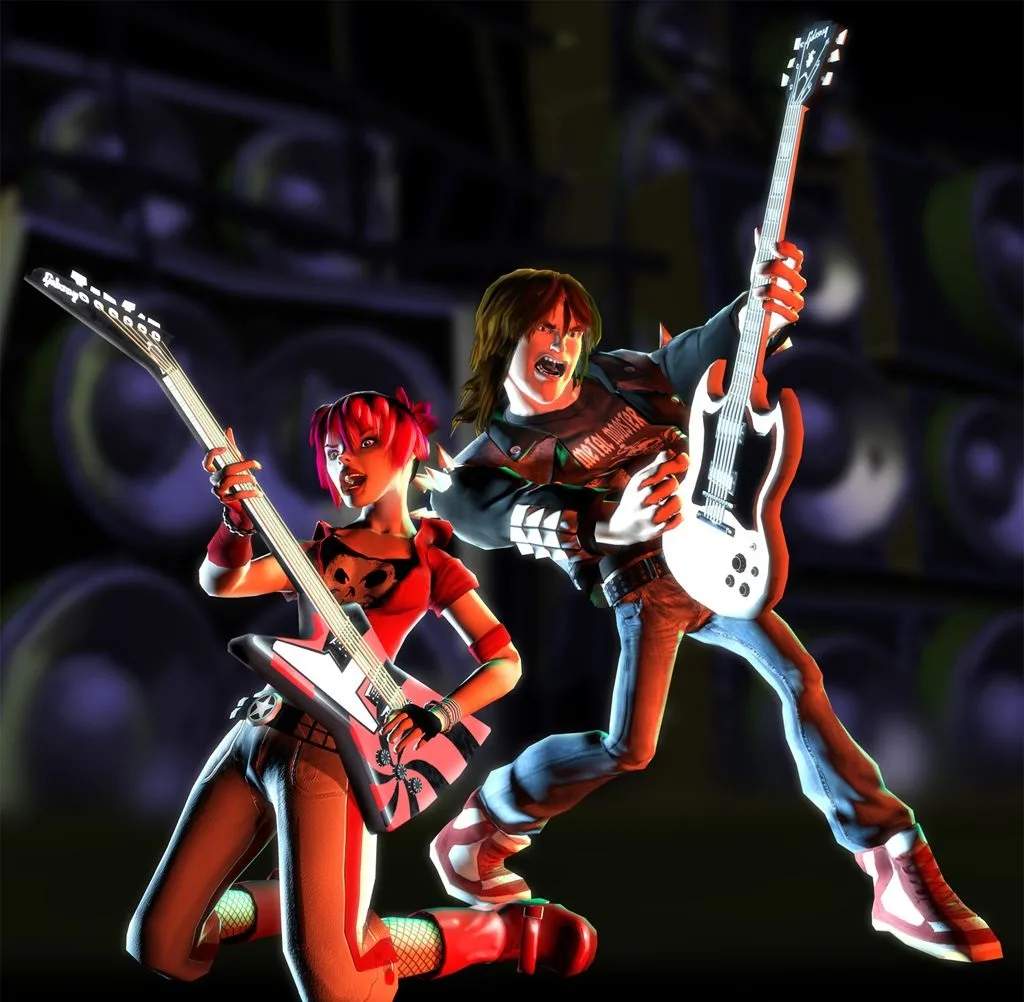
The arcade version of Guitar Hero II offers a thrilling multiplayer experience, allowing two players to shred together. Unlike the console versions, the arcade cabinet streamlines the process, focusing on immediate co-op action. Understanding the nuances of this mode is key to maximizing your scores and dominating the leaderboard with a friend.
Initiating a Multiplayer Session
Starting a two-player game is straightforward:
- Insert Credits: Both players must insert the required credits into the arcade machine. The credit slots are typically located on the front panel of the cabinet, beneath each guitar controller.
- Select Multiplayer Mode: On the song selection screen, the game will automatically detect two active players and prompt you to choose between "Co-op" or "Face-Off" modes.
- Choose Your Guitars: Each player will use their dedicated guitar controller. Player 1 typically uses the left-hand guitar, and Player 2 uses the right-hand guitar.
Multiplayer Modes Explained
There are two distinct multiplayer modes available, each offering a unique challenge and scoring dynamic:
1. Co-op Mode
In Co-op Mode, both players work together to achieve a combined band score. This mode emphasizes teamwork and synchronized playing. The overall success of the band depends on both guitarists maintaining their note streaks and deploying Star Power strategically.
- Shared Score Meter: A single score meter is displayed at the top of the screen, representing the combined performance of both players.
- Individual Note Tracks: Each player has their own note track displayed on their respective side of the screen.
- Star Power Management:
- Activation: Star Power can be activated by either player by tilting their guitar controller or pressing the dedicated Star Power button (often located near the strum bar).
- Shared Pool: Star Power collected by either player contributes to a shared band Star Power meter.
- Strategic Deployment: Coordinate with your partner! Activating Star Power simultaneously during difficult sections or high-scoring phrases can significantly boost your multiplier and overall score.
- Failure Condition: If the shared rock meter (located at the bottom of the screen) drops too low due to missed notes from either player, the band will fail the song. Communication is vital to avoid this!
2. Face-Off Mode
Face-Off Mode is a competitive head-to-head battle where players vie for the highest individual score on the same song. This mode tests individual skill and precision.
- Separate Score Meters: Each player has their own individual score meter displayed prominently on their side of the screen.
- Individual Note Tracks: Similar to Co-op, each player has their own note track.
- Star Power is Individual: Star Power collected and activated by one player only affects their own score multiplier. There is no shared Star Power pool in Face-Off.
- No Shared Failure: One player failing the song does not automatically end the game for the other. The game continues until both players either complete the song or fail individually. You with the higher score at the end wins.
- Strategic Star Power: Use your Star Power to maximize your personal score during challenging sections or when you have a strong note streak going.
General Multiplayer Strategies
- Communication is Key: Whether in Co-op or Face-Off, verbally communicating with your partner can greatly enhance your experience. Call out upcoming difficult sections, coordinate Star Power activation in Co-op, or even engage in some friendly trash talk in Face-Off!
- Choose Appropriate Difficulty: Ensure both players select a difficulty setting that is challenging but manageable for their skill level. A mismatch in skill can lead to frustration, especially in Co-op mode.
- Practice Together: The more you play with a specific partner, the better you'll understand each other's playing styles and tendencies, leading to more cohesive and higher-scoring performances.
- Observe Your Partner's Track: Even in Face-Off, keeping an eye on your opponent's note track can give you an idea of their performance and help you push your own limits. In Co-op, it's essential to monitor both tracks to ensure neither player is struggling excessively.
Mastering these multiplayer specifics will transform your Guitar Hero II arcade experience from a simple button-mashing session into a truly engaging and competitive musical showdown!