Introduction
Welcome, fellow Bob, to the whimsical and often frustrating world of Human: Fall Flat! navigate the physics-based puzzles, master the art of flopping, and discover all the hidden secrets each level holds. Whether you're a seasoned veteran looking for optimal routes or a new player just trying to stand upright, this comprehensive walkthrough will provide you with actionable steps, item locations, and strategic insights to conquer every challenge.
Getting Started: Basic Controls and Movement
Before diving into the intricate puzzles, it's crucial to master Bob's unique movement mechanics. Unlike typical RPGs, Human: Fall Flat relies on a ragdoll physics engine, meaning precise control is less about button mashing and more about understanding momentum and body positioning.
- Movement (Left Stick/WASD): This controls Bob's general direction. Remember, Bob is floppy, so don't expect instant turns or precise stops. Anticipate his momentum.
- Arm Control (Right Stick/Mouse): This is your most vital tool. Each arm is controlled independently. Use this to grab objects, climb ledges, and swing.
- Grab (L1/R1 or Left/Right Mouse Click): Hold these buttons to make Bob's hands grip surfaces or objects. The strength of the grip depends on the surface and the angle.
- Jump (X/Spacebar): A simple hop. Often more effective when combined with a grab or a run to gain extra height or distance.
- Release (Release L1/R1 or Mouse Click): Let go of whatever Bob is holding. Crucial for swinging, dropping objects, or recovering from a bad grab.
General Strategies for Success
While each level presents unique challenges, a few overarching strategies will serve you well throughout your journey:
- Experimentation is Key: Don't be afraid to try unconventional solutions. Bob's physics often allow for creative problem-solving that might not be immediately obvious.
- Utilize Both Arms: Independent arm control is your superpower. Use one arm to steady yourself while the other reaches, or grab two separate objects to create a bridge.
- Momentum Management: Learn to use Bob's floppiness to your advantage. A well-timed swing or a controlled fall can propel you further than a simple jump.
- Look for Environmental Clues: The game often subtly hints at solutions through object placement or visual cues. Pay attention to anything that looks out of place or interactable.
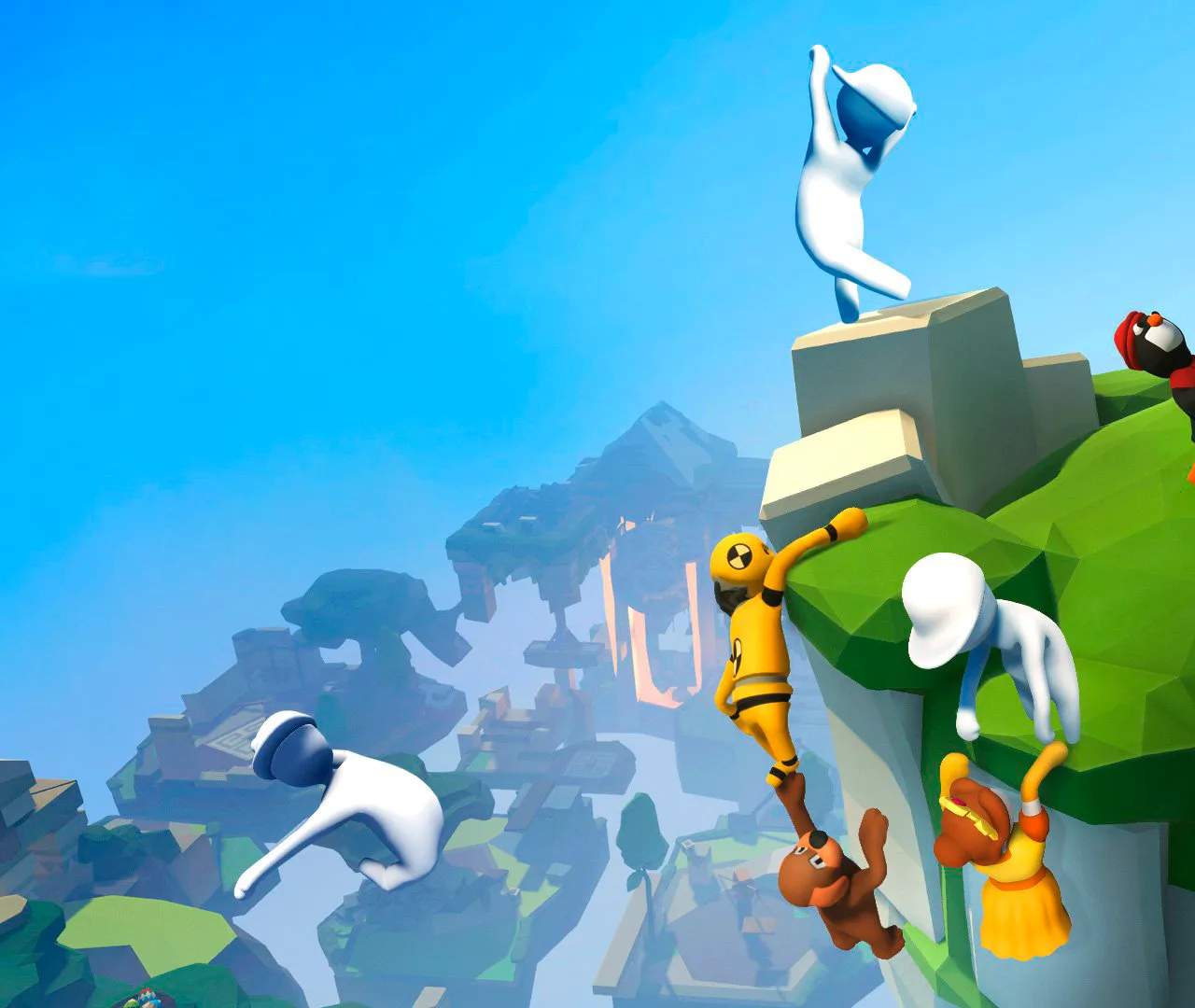
- Co-op Advantage: Playing with friends (up to 8 players!) opens up a whole new dimension of puzzle-solving. Many obstacles are significantly easier, or even require, multiple Bobs working together. For example, one Bob can hold down a lever while another passes through a gate, or multiple Bobs can form a human chain to reach high ledges.
Understanding the Level Structure
Each level in Human: Fall Flat is a self-contained environment with a clear start and end point. While there's a primary path to completion, most levels also feature:
- Optional Puzzles: These often lead to hidden areas or alternative routes, sometimes offering a more challenging but rewarding experience.
- Collectibles: While there aren't traditional "items" to collect in the RPG sense, some levels have hidden achievements or cosmetic unlocks tied to specific actions or discoveries.
- Interactive Objects: Almost anything you see can be grabbed, pushed, pulled, or thrown. Don't underestimate the utility of a simple crate or a loose plank.
This guide will break down each level into manageable sections, highlighting the main objectives, alternative solutions, and any notable secrets. Prepare to flop, fall, and ultimately, triumph!