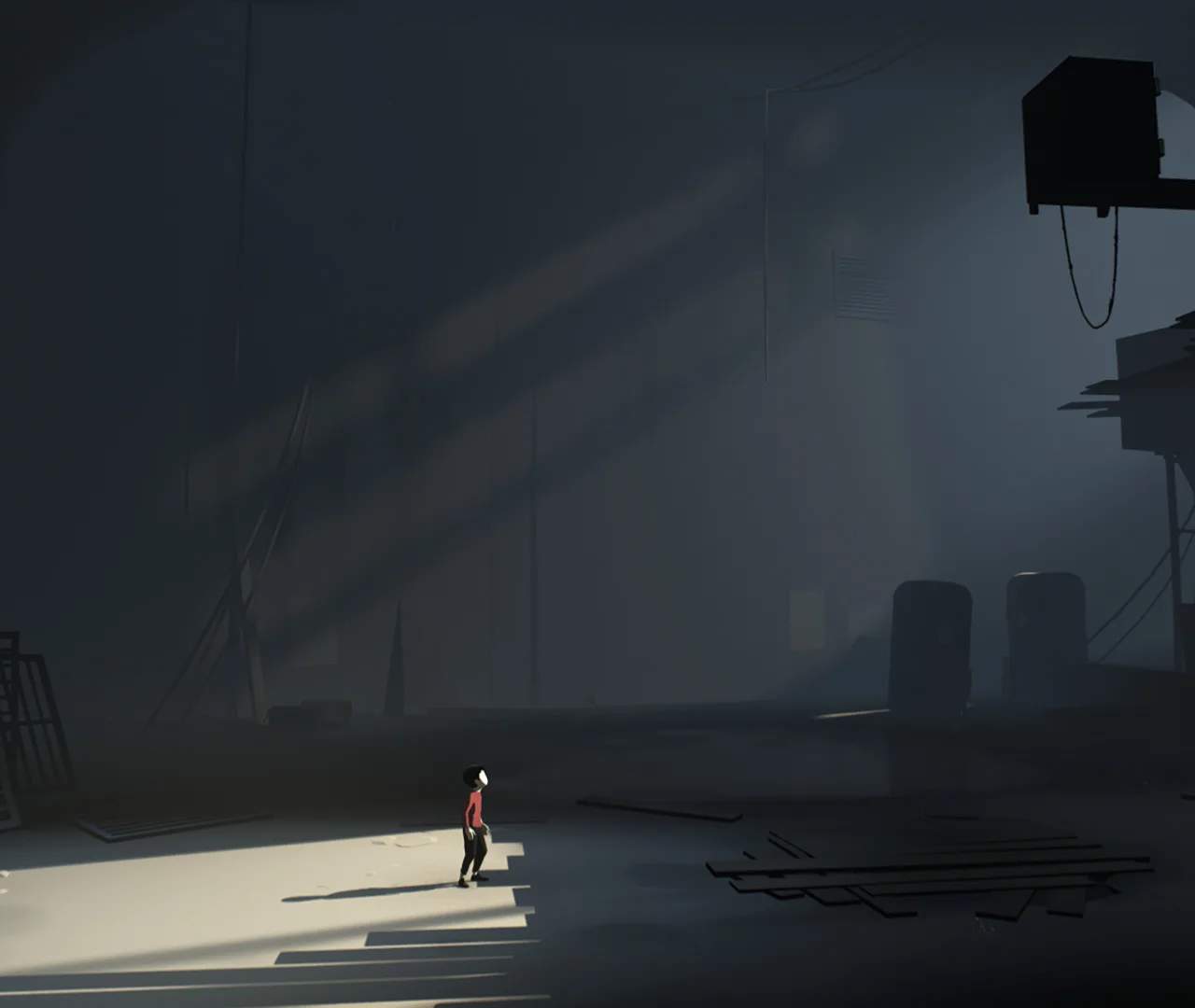
Thematic Analysis & Symbolism
Inside is a game rich with thematic depth and symbolic imagery, inviting players to interpret its bleak narrative and unsettling world. The overarching themes often revolve around control, conformity, and the loss of individuality, all presented through a minimalist and evocative art style.
The Boy and His Journey
The protagonist, a young boy, is often seen fleeing from unseen dangers. His solitary journey through a dystopian landscape can be interpreted as a metaphor for the struggle against oppressive systems or the search for identity in a world that seeks to homogenize its inhabitants. His vulnerability and resilience are central to this interpretation.
Mind Control and Conformity
The recurring mechanic of mind-controlling dormant bodies is perhaps the most potent symbol in the game. These blank-faced individuals, stripped of their autonomy, represent a society that has succumbed to external control. The boy's ability to command them, and later to become one of them, raises questions about the nature of free will and the seductive allure of conformity.
The Facility and Its Purpose
The various facilities the boy infiltrates – from the rural outskirts to the sterile, industrial labs – are often depicted as sites of experimentation and control. The experiments themselves, involving the manipulation of living beings, suggest a chilling pursuit of power or a desperate attempt to overcome some fundamental flaw in humanity. The ambiguity of the facility's ultimate goal is a deliberate choice, forcing players to confront the unsettling implications.
Color Palette and Atmosphere
The game's distinctive color palette, often dominated by muted blues, grays, and blacks, contributes sificantly to its oppressive and melancholic atmosphere. The stark lighting and shadowy environments create a sense of unease and isolation, mirroring the thematic concerns of the narrative. The absence of dialogue further enhances this, relying on visual storytelling to convey its message.
Ambiguity and Interpretation
Ultimately, Inside thrives on its ambiguity. The game offers no easy answers, encouraging players to draw their own conclusions about the boy's fate, the nature of the world he inhabits, and the meaning behind the disturbing events he witnesses. This open-endedness is a key part of its lasting impact, prompting reflection long after the credits roll.