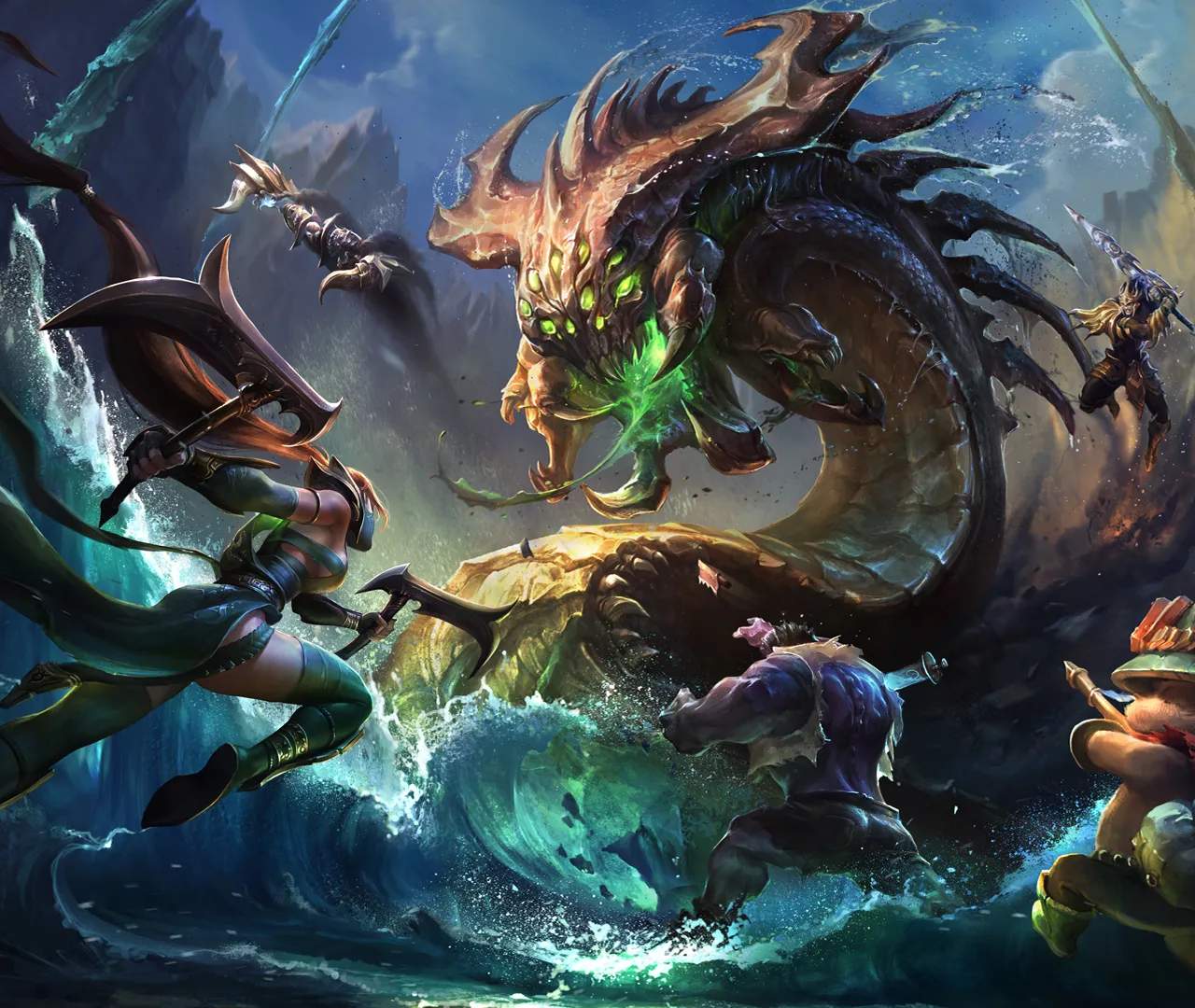
Teamfighting is a critical phase in League of Legends where multiple players from each team clash in a concentrated battle. Winning teamfights often dictates the outcome of the game, leading to objective control, inhibitor destruction, and ultimately, Nexus victory. Understanding teamfighting principles is paramount for success.
Understanding Teamfight Roles
Each role on a team has a specific function during a teamfight:
- Tanks/Engagers: These champions are at the forefront, initiating fights, soaking up damage, and disrupting the enemy backline with crowd control. Their goal is to create space and protect their damage dealers. Examples: Leona, Malphite, Alistar.
- Damage Dealers (ADCs/Mages): These champions are responsible for dealing the majority of the team's damage. They need to position themselves safely behind their frontline to maximize their output without being focused down. Examples: Jinx, Kai'Sa, Orianna, Syndra.
- Fighters/Bruisers: These champions are versatile, capable of dealing significant damage while also being relatively durable. They can dive the backline, peel for their carries, or flank the enemy. Examples: Darius, Jax, Fiora.
- Assassins: These champions excel at quickly eliminating high-priority targets, typically the enemy carries. They often look for flanks or opportunities to dive onto squishy targets. Examples: Zed, Talon, Akali.
- Supports: Supports provide utility, healing, shielding, and crowd control to enable their team. Their role can vary from peeling for carries to assisting with engages. Examples: Janna, Soraka, Thresh.
Key Principles of Teamfighting
- Positioning: This is arguably the most important aspect. Frontliners should be in front, damage dealers in the back, and assassins looking for flanks. Avoid being caught out of position, as it can lead to your death and the loss of the fight.
- Target Selection: Focus on the highest priority targets that your team can eliminate quickly. This often means focusing the enemy carries first, but sometimes it's more advantageous to eliminate a key threat like an enemy engage or a high-damage mage.
- Ability Usage: Coordinate your crowd control and damage abilities. Don't overlap your stuns unnecessarily. Save key ultimate abilities for impactful moments.
- Engage and Disengage: Know when to initiate a fight and when to back off. A poorly timed engage can be disastrous, while a well-executed disengage can save your team from a losing battle.
- Peeling: If you are a frontline champion or a support, your job is to protect your damage dealers from enemy threats. Use your crowd control and abilities to keep them alive.
- Map Awareness: Be aware of enemy cooldowns, summoner spells, and potential reinforcements. This information can help you make better decisions during the fight.
- Objective Focus: Teamfights are often fought over objectives like Dragon, Rift Herald, or Baron Nashor. Winning a fight around an objective can grant significant advantages.
Common Teamfighting Mistakes
- Fighting when outnumbered: Never engage a fight if the enemy has a significant numbers advantage.
- Focusing the wrong targets: Wasting damage on a tank when the enemy carries are exposed.
- Poor positioning: Getting caught out of position and dying early.
- Lack of coordination: Abilities and crowd control being used randomly without synergy.
- Fighting without objectives: Engaging in a fight when there's no immediate objective to gain from winning it.
Mastering teamfighting requires practice, communication, and a deep understanding of your champion's role and the overall game state. By adhering to these principles, you can significantly increase your team's chances of winning crucial engagements.