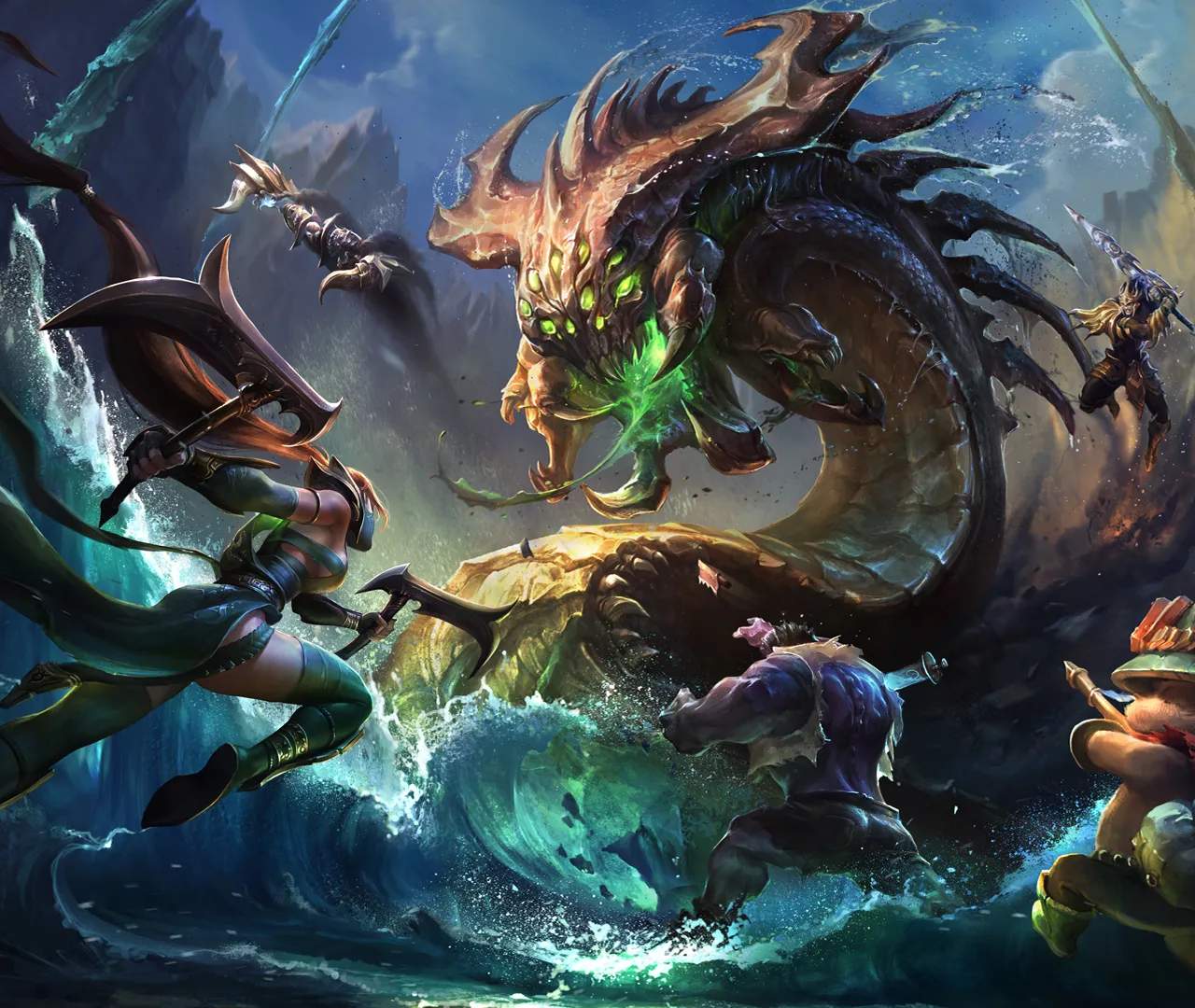
Every champion in League of Legends possesses a unique passive ability, a fundamental part of their kit that is always active and doesn't require manual activation. These passives can range from simple stat enhancements to complex, game-altering effects, significantly influencing a champion's playstyle, strengths, and weaknesses. Understanding these passives is crucial for both playing as and against any champion.
Types of Passive Abilities
Passive abilities can manifest in several ways, each contributing to a champion's identity and effectiveness:
- Stat Enhancements: Some passives provide constant bonuses to a champion's core stats. For example, a champion might have a passive that grants bonus attack damage or ability power based on certain conditions.
- On-Hit Effects: Many champions have passives that apply an additional effect when they auto-attack. These can include bonus damage, healing, or debuffs on the target. Examples include Darius's "Hemorrhage" which applies a bleed, or Vayne's "Silver Bolts" which deal true damage.
- Resource Generation/Management: Certain passives aid in managing a champion's primary resource (mana, energy, rage, etc.). This could involve regenerating resources faster, gaining resources under specific conditions, or having abilities cost less under certain circumstances.
- Unique Mechanics: Some passives introduce entirely new mechanics to a champion's kit. This could be a special resource bar, a transformation, or a unique interaction with the environment or other abilities. For instance, Gnar's "Rage Gene" allows him to transform into Mega Gnar.
- Defensive Passives: Passives can also provide defensive benefits, such as damage reduction, shields, or increased resistances. Braum's "Stand Behind Me" allows him to intercept projectiles for allies.
- Utility Passives: Some passives offer utility that aids in movement, vision, or crowd control. Bard's "Traveler's Call" allows him to collect chimes that grant him mana and experience, and also spawn magical meeps that enhance his auto-attacks.
Examples of Notable Passives
Understanding specific champion passives is key to mastering them:
- Master Yi's "Double Strike": Every few auto-attacks, Master Yi strikes twice, dealing a portion of his attack damage with the second hit. This significantly boosts his sustained damage output.
- Kassadin's "Void Walker": Kassadin gains magic resistance and reduces the damage of nearby enemies. This passive makes him more resilient against magic damage.
- Jinx's "Get Excited!": When Jinx gets a takedown on an enemy champion or structure, she gains a burst of movement and attack speed. This allows her to snowball through team fights.
- Nasus's "Soul Eater": Nasus passively gains life steal from his auto-attacks. This allows him to sustain himself in lane and in fights.
- Riven's "Runic Blade": Riven's abilities charge her blade, and her next auto-attack after using an ability consumes the charge to deal bonus physical damage. This is fundamental to her combo-based playstyle.
Strategic Implications
A champion's passive ability often dictates their core strengths and how they should be played. For example, a champion with a strong on-hit passive will likely build items that enhance their auto-attacks, while a champion with a mana-generating passive might be able to afford more aggressive spell usage. Conversely, understanding an enemy champion's passive is crucial for countering them effectively. Knowing when their passive is active or on cooldown can provide significant advantages in trades and all-ins.
The passive ability is the bedrock of a champion's identity. Mastering its nuances is not just about understanding the text description; it's about integrating its effects into your gameplay decisions, from laning phase trades to late-game team fights.