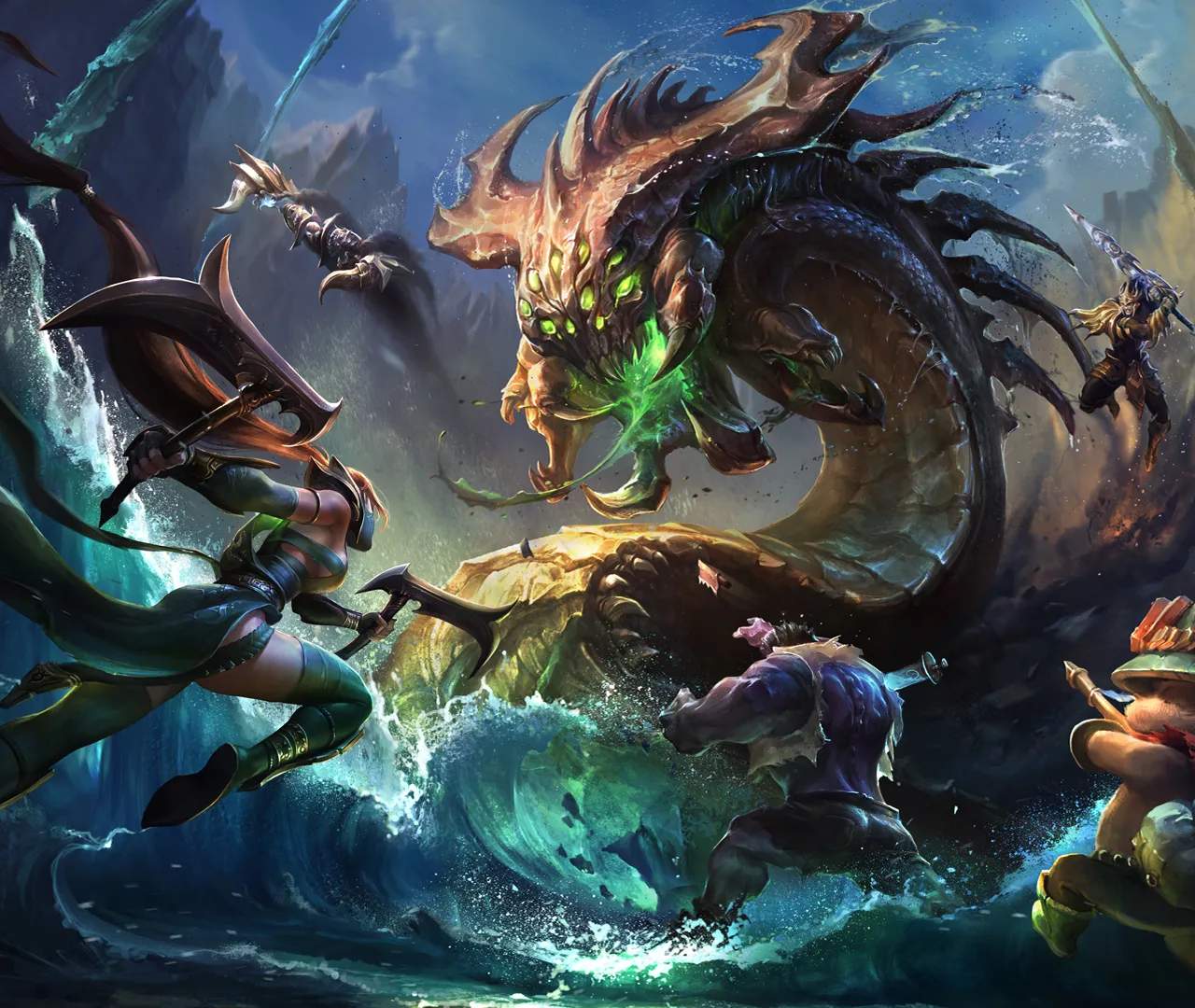
Choosing and mastering champions in League of Legends is a core aspect of the game, and understanding champion difficulty and learning curves is essential for new and experienced players alike. Each champion offers a unique playstyle, kit, and set of challenges, influencing how quickly a player can become proficient.
Champion Difficulty Tiers
Riot Games often categorizes champions by difficulty, providing a general guideline for players. While subjective, these tiers are based on the complexity of a champion's abilities, their reliance on mechanical skill, and the strategic depth required to play them effectively.
- Low Difficulty: These champions typically have straightforward abilities, forgiving mechanics, and a clear game plan. They are excellent for beginners to learn fundamental game concepts without being overwhelmed by complex kits. Examples include Garen, Annie, Warwick, and Miss Fortune.
- Medium Difficulty: These champions require a bit more mechanical skill and strategic understanding. They might have more intricate combos, require better positioning, or have abilities that need precise timing. Examples include Lux, Ahri, Darius, and Caitlyn.
- High Difficulty: These champions demand a high level of mechanical proficiency, intricate knowledge of matchups, and deep strategic understanding. They often have high-skill ceiling abilities, complex combos, or require precise resource management. Mastering these champions can take significant time and dedication. Examples include Yasuo, Zed, Azir, and Riven.
Factors Influencing Learning Curve
Several factors contribute to a champion's learning curve:
- Mechanical Complexity: Champions with skillshots, complex combos, or abilities that require precise aiming and execution have a steeper learning curve. For instance, champions like Lee Sin or Thresh require intricate ability sequencing.
- Resource Management: Champions who rely on mana, energy, or unique resource systems (like Riven's passive or Akali's energy) require careful management to maximize their effectiveness.
- Matchup Knowledge: Some champions are highly reliant on understanding specific matchups. Knowing when to engage, when to play defensively, and what abilities to dodge against certain opponents is crucial.
- Positioning: Champions who are squishy or have limited escape tools (e.g., many mages and ADCs) require excellent positioning to survive and deal damage effectively.
- Game Knowledge: Understanding wave management, objective timers, and teamfight dynamics is vital for all champions, but some require a deeper grasp of these concepts to excel.
Strategies for Learning Champions
- Start Simple: Begin with champions in the low-difficulty tier to grasp the basics of laning, farming, and teamfighting.
- Focus on One Role: Mastering a champion is easier when you focus on a single role, as you can learn the nuances of that role's gameplay.
- use Practice Tool: The practice tool is invaluable for honing mechanical skills, practicing combos, and learning wave management without the pressure of a live game.
- Watch High-Elo Players: Observing skilled players who main your chosen champion can provide insights into optimal builds, strategies, and mechanics.
- Play Consistently: The more you play a champion, the more familiar you will become with their strengths, weaknesses, and optimal play patterns.
- Don't Be Afraid to Experiment: Try different item builds and rune pages to see what works best for your playstyle and the specific game situation.
Ultimately, the most rewarding champions are often those that require dedication to master. The journey of learning a complex champion can be incredibly satisfying as you gradually unlock their full potential.