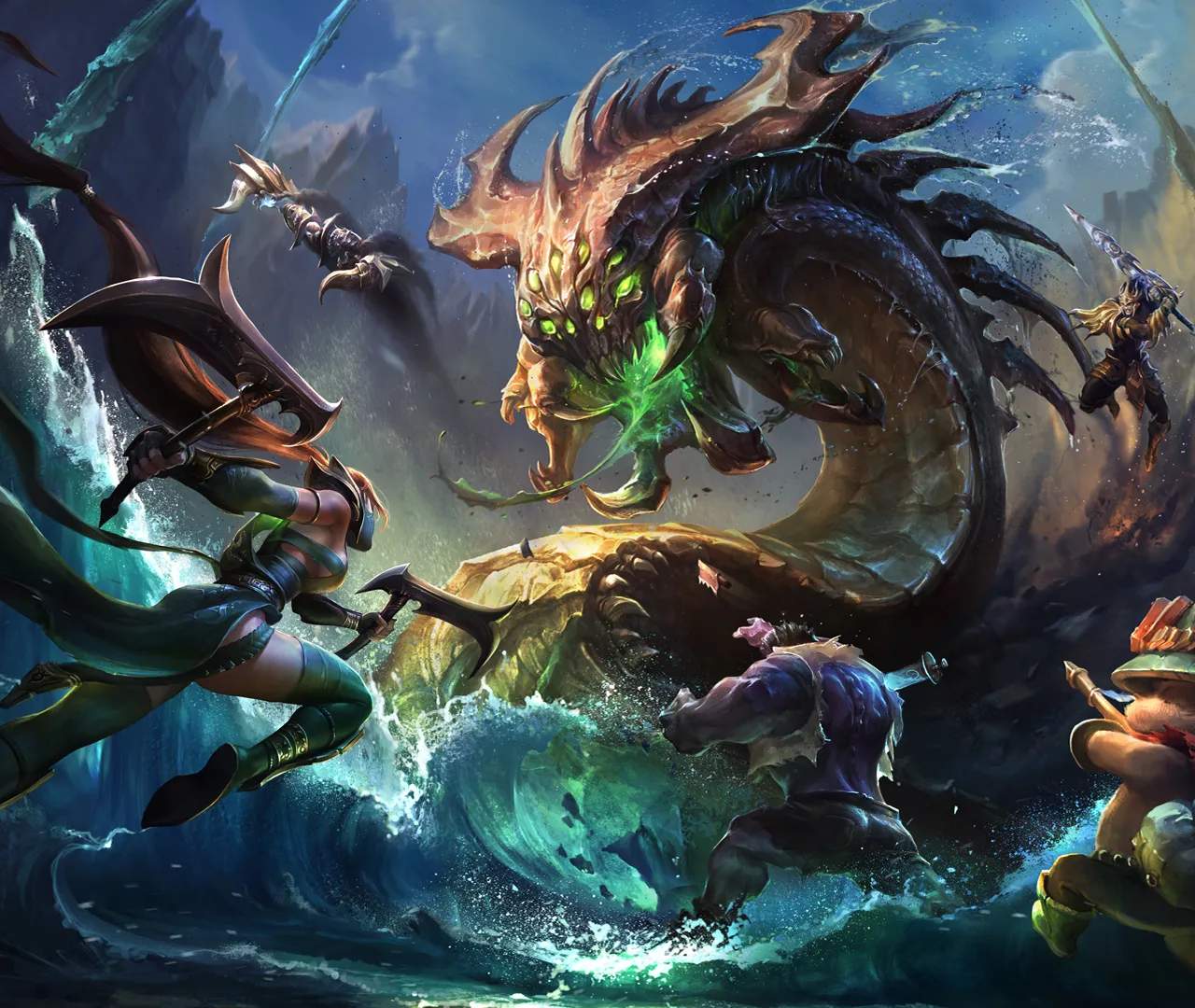
The Elder Dragon is the ultimate neutral objective in League of Legends, spawning after a team has secured a Dragon Soul. Defeating the Elder Dragon grants a temporary but incredibly potent buff that can single-handedly win team fights and secure victory. Its appearance sifies the late game and the final push towards ending the match.
When Elder Dragon Spawns
The Elder Dragon only appears after one team has successfully acquired four Dragon Souls. Once a team achieves this milestone, the next Dragon that spawns will be the Elder Dragon. This makes securing dragons throughout the game a critical strategic objective, as it not only provides incremental buffs but also paves the way for this game-ending power-up.
The Elder Dragon Buff
The buff granted by the Elder Dragon is known as "Aspect of the Dragon." It provides two primary benefits:
- Execute Damage: When you deal damage to an enemy champion, you apply a debuff that deals true damage over time. If this true damage reduces the enemy champion's health below a certain threshold (which scales with the buff's duration), they are instantly executed, regardless of their remaining health, resistances, or defensive abilities. This execute damage is incredibly powerful and can instantly remove a key target from a fight.
- Bonus Damage and Burn: In addition to the execute, the buff also grants a significant increase to your champion's damage output and applies a burn effect to enemies you hit. This amplifies your overall damage in team fights, making it easier to secure kills even before the execute threshold is reached.
Strategic Implications
The Elder Dragon buff fundamentally changes the dynamics of late-game team fights:
- Game-Ending Potential: The ability to instantly execute low-health targets makes the Elder Dragon buff a game-ending objective. A team with this buff can often force favorable fights and close out the game quickly.
- Objective Control: Securing the Elder Dragon becomes the highest priority objective once it spawns. Teams will often dedicate significant resources, including their jungler and entire team, to contest or secure it.
- Risk vs. Reward: Attempting to take the Elder Dragon is a high-risk, high-reward play. If your team fails to secure it, the enemy team can gain a massive advantage. Conversely, if you succeed, you are in a prime position to win the game.
- Team Coordination: Effective use of the Elder Dragon buff requires excellent team coordination. The team needs to group up, identify priority targets, and utilize the execute damage to its full potential.
Counterplay and Defense
While the Elder Dragon buff is incredibly powerful, there are ways to mitigate its impact:
- Deny the Dragon Soul: The most effective counterplay is to prevent the enemy team from acquiring four Dragon Souls in the first place.
- Vision Control: Maintaining vision around the Dragon pit is crucial to anticipate the enemy's attempt to secure the Elder Dragon.
- Disengage and Split Push: If the enemy has the Elder Dragon buff, disengaging from unfavorable fights and focusing on split-pushing or defending objectives can be a viable strategy to stall the game and wait for the buff to expire.
- Focusing the Buffed Team: If the enemy team has the Elder Dragon buff, prioritizing targets who are empowered by it and trying to eliminate them quickly can be a risky but necessary strategy.
The Elder Dragon represents the pinnacle of objective control in League of Legends. Its appearance signals the final stages of the game, and the team that successfully leverages its power is often on the path to victory.