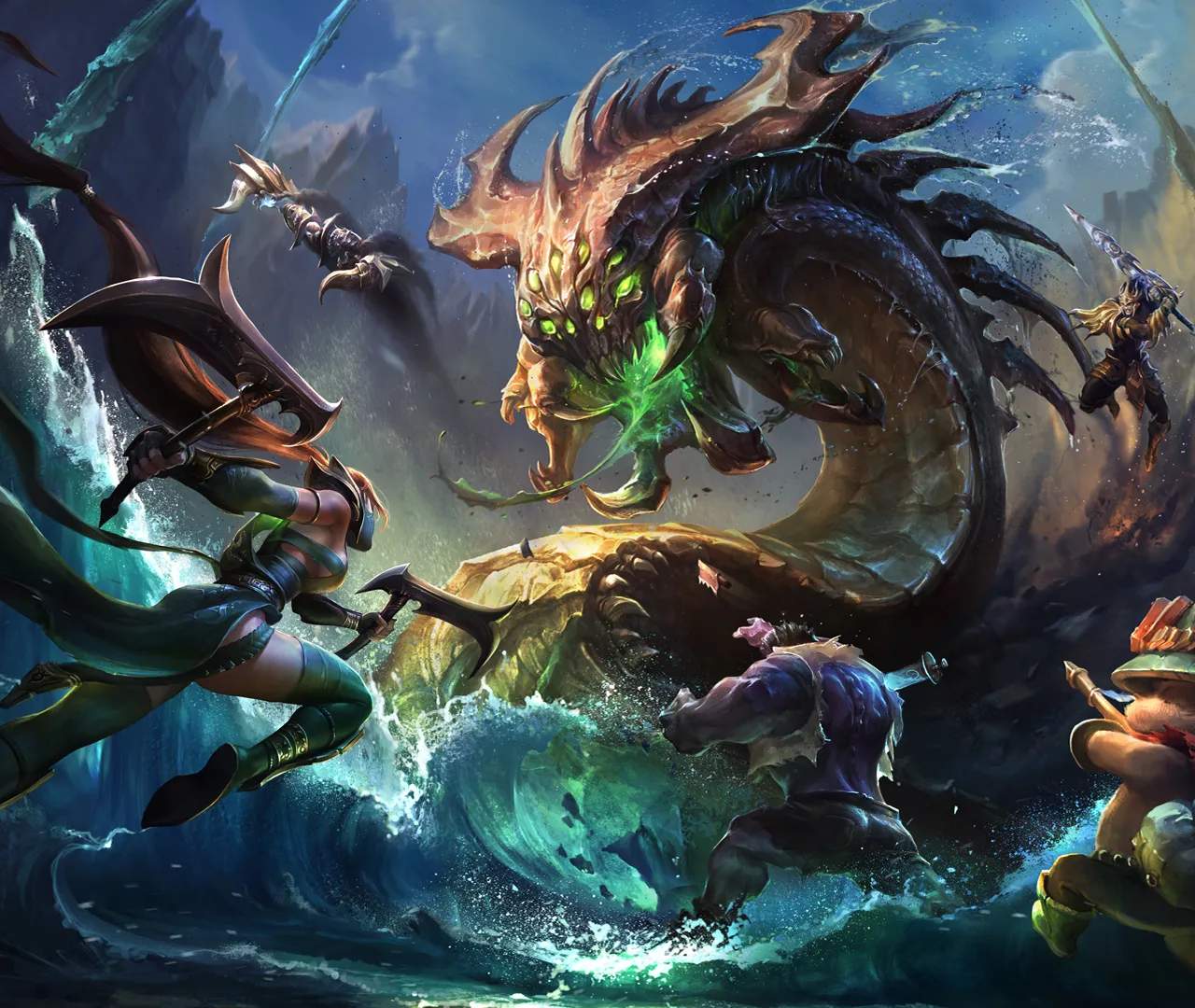
League of Legends is not just a game; it's a global phenomenon with a thriving professional esports scene. The highest level of play showcases incredible skill, strategic depth, and intense competition, captivating millions of viewers worldwide. Understanding the structure and sificance of professional League of Legends provides insight into the game's competitive landscape and its cultural impact.
The Professional Ecosystem
The professional League of Legends scene is structured around regional leagues and international tournaments. The major professional leagues, such as the League Championship Series (LCS) in North America, the League of Legends European Championship (LEC), the LCK in Korea, and the LPL in China, feature the best teams competing throughout the year.
Major International Tournaments
The pinnacle of professional League of Legends are the two major international events:
- Mid-Season Invitational (MSI): Held in the spring, MSI brings together the champions from each major region to compete for international prestige. It serves as a mid-year benchmark for regional strength.
- World Championship (Worlds): The most prestigious tournament of the year, Worlds culminates the competitive season. Teams from all major regions qualify based on their performance in their respective leagues, vying for the coveted Summoner's Cup.
Team Structure and Roles
Professional teams typically consist of five players, each specializing in a specific role:
- Top Laner: Usually plays in the top lane, often a bruiser or tank, responsible for split-pushing or engaging.
- Jungler: Roams the jungle, securing neutral objectives, ganking lanes, and providing map pressure.
- Mid Laner: Plays in the middle lane, often a high-damage mage or assassin, responsible for roaming and controlling the center of the map.
- Attack Damage Carry (ADC): Plays in the bottom lane, typically a ranged champion focused on dealing consistent physical damage.
- Support: Also plays in the bottom lane, focused on protecting the ADC, providing vision, and enabling the team with crowd control and utility.
In addition to the players, professional teams have coaches, analysts, and support staff who work on strategy, player development, and game preparation.
Strategic Depth and Innovation
Professional play is characterized by its immense strategic depth. Teams meticulously analyze opponents, develop intricate strategies, and constantly innovate with new champion picks, item builds, and macro play. The meta in professional play often evolves rapidly, driven by the teams' discoveries.
The Impact of Esports
The esports scene has a significant impact on the game itself:
- Champion Popularity: Champions frequently played or performing well in professional matches often see increased popularity in solo queue.
- Meta Shifts: Professional strategies and champion picks can influence the broader meta, trickling down to the amateur and casual player base.
- Community Engagement: Esports events draw massive viewership, fostering a passionate global community around League of Legends.
- Talent Development: The professional scene provides a clear aspirational path for skilled players, encouraging dedication and improvement.
Watching Professional League of Legends
Watching professional matches is an excellent way to learn advanced tactics, champion matchups, and macro-level decision-making. Platforms like Twitch and YouTube host official broadcasts of major leagues and tournaments, often with expert commentary.