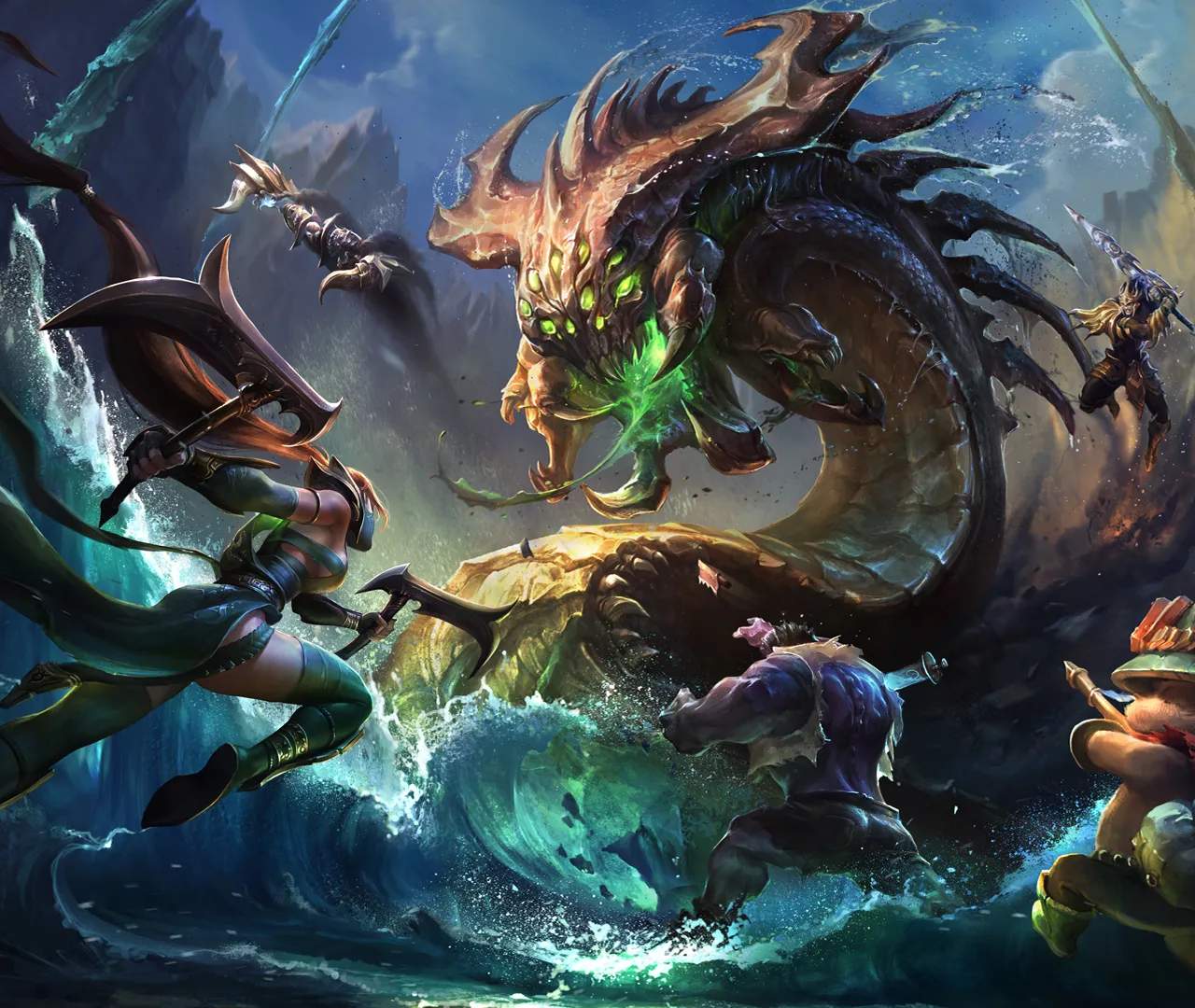
League of Legends is a constantly evolving game, and Riot Games frequently introduces changes to items and game systems to maintain balance, introduce new strategic options, and keep the meta fresh. Understanding these adjustments is crucial for adapting your gameplay and staying ahead of the curve. This section delves into the nature of item changes and system adjustments, and how they impact the game.
Item System Overhauls
Riot Games has, in the past, undertaken significant overhauls of the item system. These are not minor tweaks but rather fundamental changes to how items function, their stats, and their availability. The most notable example was the Season 2021 item system update, which introduced Mythic items.
- Mythic Items: These items became a core part of a player's build, offering a unique passive that defined a champion's playstyle. Each item slot could only hold one Mythic item, forcing players to make a significant early-game decision that would shape their entire build.
- Item Reworks: Many existing items were reworked, gaining new effects, different stats, or altered passive abilities. This often led to champions finding new build paths or becoming more or less viable depending on how the changes affected them.
- New Item Introductions: Entirely new items were added to the shop, offering novel effects and strategic possibilities.
Regular Item Adjustments
Beyond major overhauls, items are frequently adjusted on a patch-by-patch basis. These adjustments are typically smaller in scope but can still have a significant impact on the meta.
- Stat Tweaks: Minor changes to an item's AD, AP, health, armor, magic resist, or other core stats.
- Passive/Active Changes: Adjustments to the power, cooldown, or effectiveness of an item's unique abilities. For example, an item's on-hit damage might be slightly increased or decreased.
- Cost Adjustments: Changes to the gold cost of an item or its components, affecting how quickly You can acquire them.
System Adjustments
Item changes are often coupled with adjustments to other core game systems. These can include:
- Rune System Changes: While not directly items, runes are a fundamental part of a champion's build. Adjustments to rune trees, keystone runes, or minor rune effects can significantly alter champion power levels and playstyles.
- Mastery System Changes: Historically, League of Legends had a mastery system that provided passive bonuses. While this has been replaced by the Rune system, similar adjustments to core passive systems can occur.
- Objective Balancing: Changes to dragon buffs, Baron Nashor, or turret plating can influence the importance of certain item builds or strategies.
- Champion Ability Adjustments: Sometimes, item changes are made in conjunction with champion ability buffs or nerfs to create a specific meta or address balance issues.
Impact on Gameplay
These changes are designed to:
- Promote Diversity: Encourage a wider variety of champion picks and build paths.
- Address Balance Issues: Nerf overpowered items or champions and buff underperforming ones.
- Introduce New Strategies: Create new ways to play the game and counter existing strategies.
- Keep the Game Fresh: Prevent the meta from becoming stale and predictable.
Staying informed about patch notes and understanding the implications of item and system changes is a continuous process for any serious League of Legends player. Websites, content creators, and official patch notes are invaluable resources for keeping up with the game's dynamic evolution.