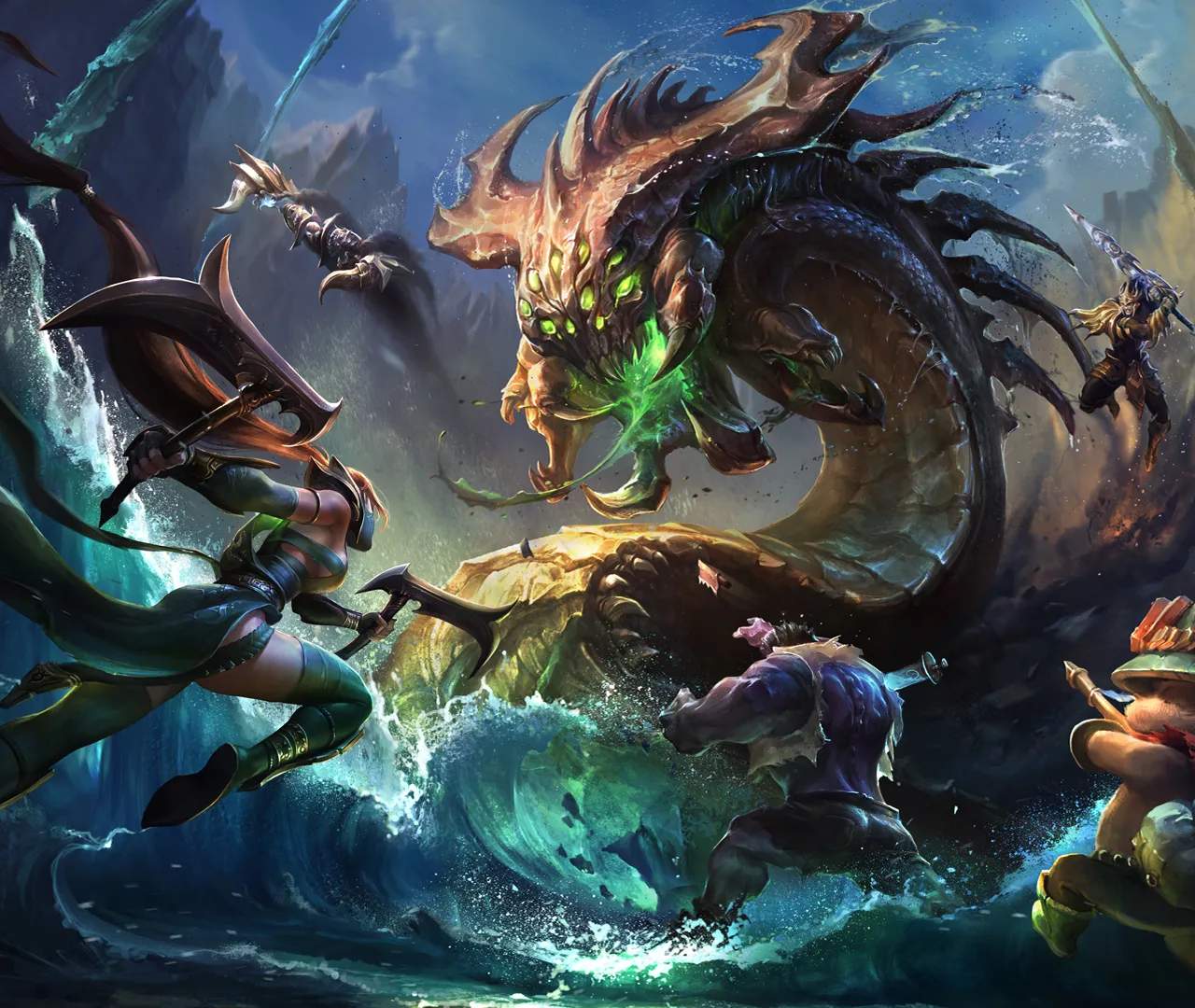
Twisted Treeline was a popular 3v3 game mode in League of Legends, offering a faster-paced and more intimate experience compared to the traditional 5v5 Summoner's Rift. This mode featured a smaller map with two lanes and a jungle area, fostering unique strategic considerations and champion synergies. While no longer available, its legacy and the lessons learned from it remain relevant to understanding the game's evolution.
The Map and Objectives
The Twisted Treeline map was characterized by its two lanes and a central jungle area. The primary objective was to destroy the enemy Nexus, located at the end of their base. However, the map also featured several unique objectives that influenced gameplay:
- Altars: Two altars were located in the jungle. Capturing and holding these altars provided a significant gold and experience advantage, as well as a powerful buff that increased damage dealt to enemy champions. Controlling these altars was often the key to victory.
- Vilemaw: A powerful neutral monster residing in the jungle, similar to Baron Nashor on Summoner's Rift. Defeating the Vilemaw granted a buff that significantly empowered your team's minions, making them a formidable force that could push lanes and pressure the enemy base.
Champion Synergies and Strategies
The 3v3 format encouraged different champion compositions and strategies compared to 5v5. Champions with strong dueling potential, good wave clear, and the ability to control objectives often excelled. The smaller team sizes meant that individual player skill and coordination had an even greater impact.
- Team Compositions: Teams often focused on a strong frontline to control the altars and a damage dealer to capitalize on the buffs. Champions with area-of-effect abilities were also highly effective in the confined spaces of the map.
- Objective Control: Prioritizing the capture and defense of the altars was paramount. Teams that could maintain control of both altars would gain a substantial advantage in gold and experience, allowing them to out-scale their opponents.
- Vilemaw Importance: Defeating the Vilemaw was a significant strategic decision. While it provided a powerful minion buff, it also required a coordinated team effort and could leave other objectives vulnerable.
Gameplay Flow
Games on Twisted Treeline were typically faster than on Summoner's Rift. The smaller map and fewer players meant that skirmishes and team fights occurred more frequently. Players needed to be constantly aware of the map and the status of the altars. The ability to quickly rotate between lanes and the jungle was crucial for success. The game mode fostered a more aggressive and proactive playstyle, where snowballing an early advantage was often key to securing victory.
Legacy and Impact
Although Twisted Treeline has been removed from the game, its influence can still be seen in how players approach objective control and team fighting in other modes. The emphasis on fast-paced action and strategic objective prioritization provided valuable lessons for the League of Legends community. It served as a testing ground for different game mechanics and champion viability, contributing to the overall evolution of the game.