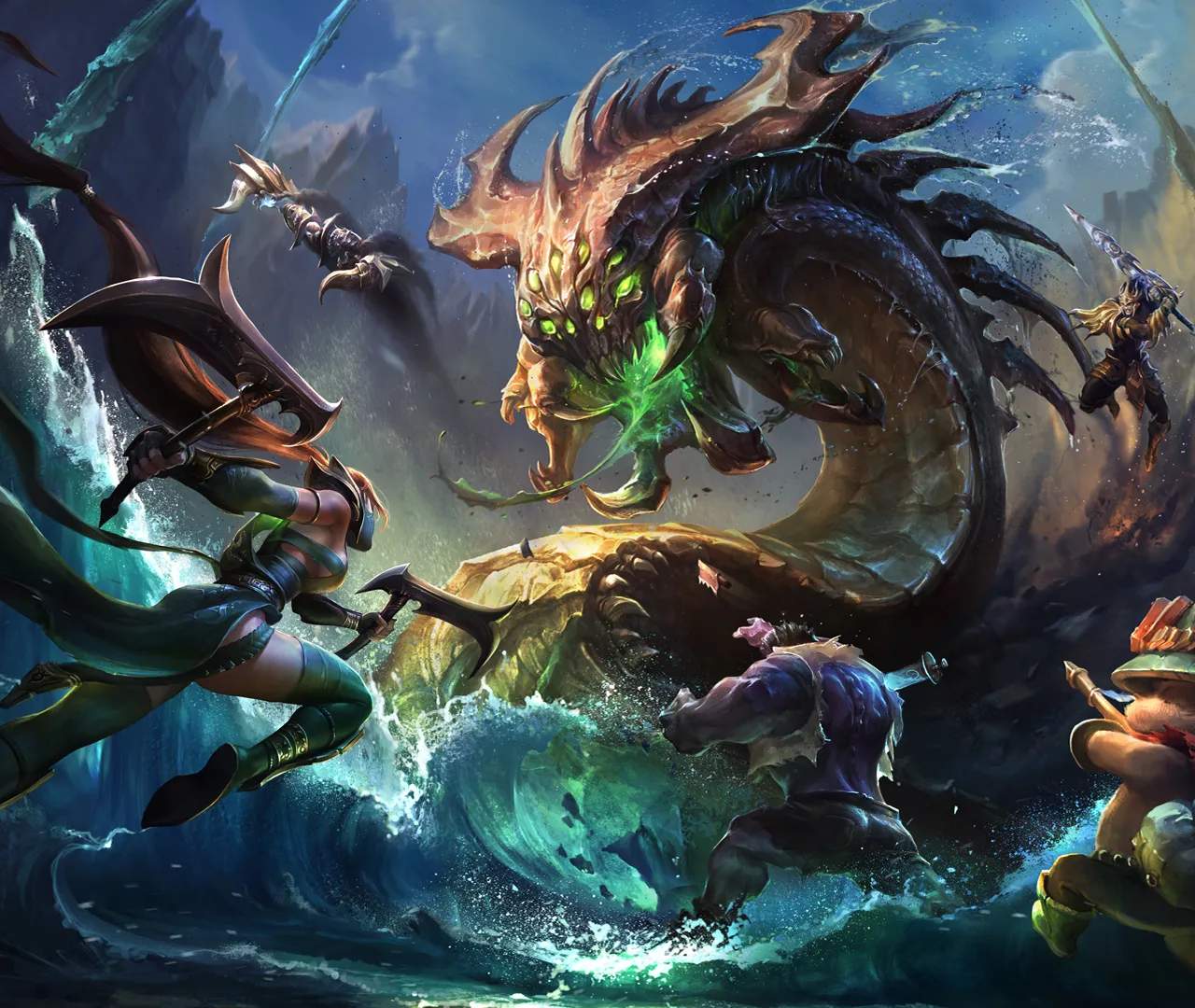
The Bot Lane, often referred to as the 'duo lane,' is a critical role in League of Legends, typically occupied by an Attack Damage Carry (ADC) and a Support. This guide focuses on the Support role, exploring the different archetypes: Enchanters, Tanks, and Playmakers, and their unique contributions to the team.
The Role of the Support
Supports are the backbone of the bot lane duo. Their primary responsibilities include:
- Protecting the ADC: Ensuring the ADC can farm safely and scale into the late game.
- Providing Vision: Warding key areas to prevent ganks and track enemy movements.
- Engaging or Disengaging: Initiating fights or helping the team escape unfavorable situations.
- Crowd Control (CC): Applying stuns, roots, slows, or silences to disrupt enemies.
- Utility: Buffing allies, debuffing enemies, or providing other forms of support.
Support Archetypes
Supports can broadly be categorized into three main playstyles:
1. Enchanters
Enchanters are supports who focus on buffing and healing their allies, primarily their ADC. They are typically squishy but possess potent supportive abilities.
- Playstyle: Defensive, reactive, and focused on sustain and empowerment. They excel at keeping their carries alive and making them stronger.
- Key Abilities: Healing, shielding, buffing attack damage/speed, crowd control (often soft CC like slows or roots).
- Strengths: Excellent sustain, strong late-game scaling for allies, good at peeling for carries.
- Weaknesses: Can be vulnerable to aggressive engage supports, often lack strong initiation themselves, can be focused down easily.
- Example Champions: Janna, Soraka, Lulu, Nami, Sona, Yuumi.
- Itemization: Focuses on items that enhance healing and shielding (e.g., Ardent Censer, Redemption, Mikael's Blessing) and provide mana regeneration and cooldown reduction.
2. Tanks
Tank supports are durable champions who excel at initiating fights, absorbing damage, and disrupting the enemy team with their crowd control.
- Playstyle: Aggressive, front-line initiators. They are designed to soak up damage and lock down key enemy targets.
- Key Abilities: Strong crowd control (stuns, roots, knock-ups), high base resistances, engage tools.
- Strengths: Excellent engage potential, high survivability, strong disruption in teamfights.
- Weaknesses: Can struggle against poke-heavy lanes, less direct healing/shielding for allies compared to enchanters, can be kited if they miss their engage.
- Example Champions: Leona, Nautilus, Alistar, Braum, Taric, Rakan.
- Itemization: Focuses on building tank items (e.g., Locket of the Iron Solari, Knight's Vow, Zeke's Convergence) to maximize survivability and provide utility.
3. Playmakers (Catchers/Mages)
Playmaker supports are a more diverse category that includes champions who excel at catching out isolated enemies, dealing significant damage, or providing unique utility.
- Playstyle: Can be aggressive or poke-oriented, focusing on landing key abilities to create picks or deal damage.
- Key Abilities: Skillshot-based crowd control (hooks, traps), high burst damage, unique utility.
- Strengths: Can create significant advantages through picks, strong lane pressure, can carry games with damage.
- Weaknesses: Often require good aim and positioning, can be item-dependent, may lack the raw survivability of tanks or the consistent healing of enchanters.
- Example Champions: Thresh, Blitzcrank, Bard, Pyke, Brand, Zyra, Morgana.
- Itemization: Varies greatly, often including items that enhance their primary damage or crowd control, alongside utility items.
Choosing Your Support Style
The best support for a given game depends on your team's composition, the enemy team's composition, and your own playstyle preferences. Understanding these archetypes will help you make more informed decisions about champion select and your role in the game.