Advanced Timeline Manipulation Techniques
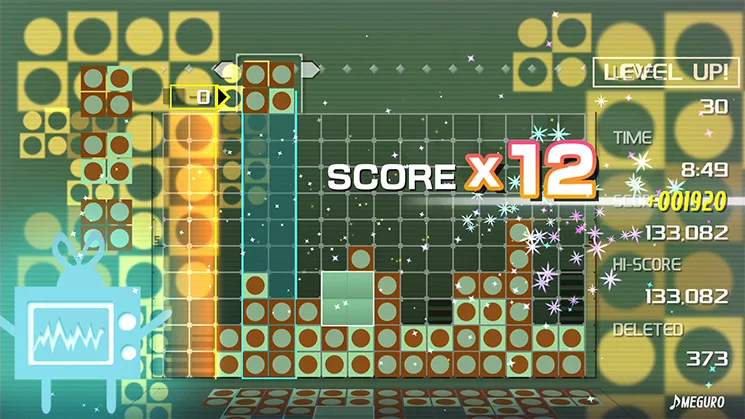
The Timeline is the pulsating beat line that sweeps across the Lumines Remastered playfield, clearing matched blocks. Mastering its rhythm and anticipating its movement is key to achieving high scores and efficient clears. While the basic function is simple – it clears any 2x2 or larger blocks of the same color it passes over – advanced You can actively influence its impact.
One crucial technique is "Timeline Baiting." This involves strategically placing blocks of a specific color just before the Timeline reaches them, ensuring they are cleared as part of a larger combo. By observing the Timeline's speed and anticipating its next sweep, you can set up these near-instantaneous clears. This is particularly effective when you have a large cluster of a single color ready to be cleared.
Another advanced tactic is "Timeline Stalling." While you cannot directly control the Timeline's speed, you can indirectly influence its perceived speed by creating large, complex block formations. When the Timeline encounters a significant number of blocks to clear, its animation can appear to slow down momentarily as it processes the clears. This brief "stall" can give you precious extra seconds to set up your next move or to position blocks for a more impactful clear on the subsequent sweep.
Furthermore, understanding the "Skin Sync" is vital. Each Skin in Lumines Remastered has its own unique music and visual tempo, which directly correlates to the Timeline's speed. Some Skins, like "Roots" or "Vibes," have a slower, more deliberate Timeline, allowing for more deliberate setup. Others, like "Electro" or "Trance," feature a rapid Timeline, demanding quicker reflexes and more opportunistic clears. Learning to adapt your playstyle to the specific Skin's tempo is a hallmark of an advanced Lumines player.
Finally, consider the concept of "Pre-Clears." This involves setting up blocks in such a way that they will be cleared by the Timeline on its *next* sweep, even if you don't actively match them yourself. This frees up your immediate attention to focus on creating new matches, effectively allowing you to work on two sets of clears simultaneously. This requires a keen eye for color distribution and an understanding of how the Timeline will progress across the board.