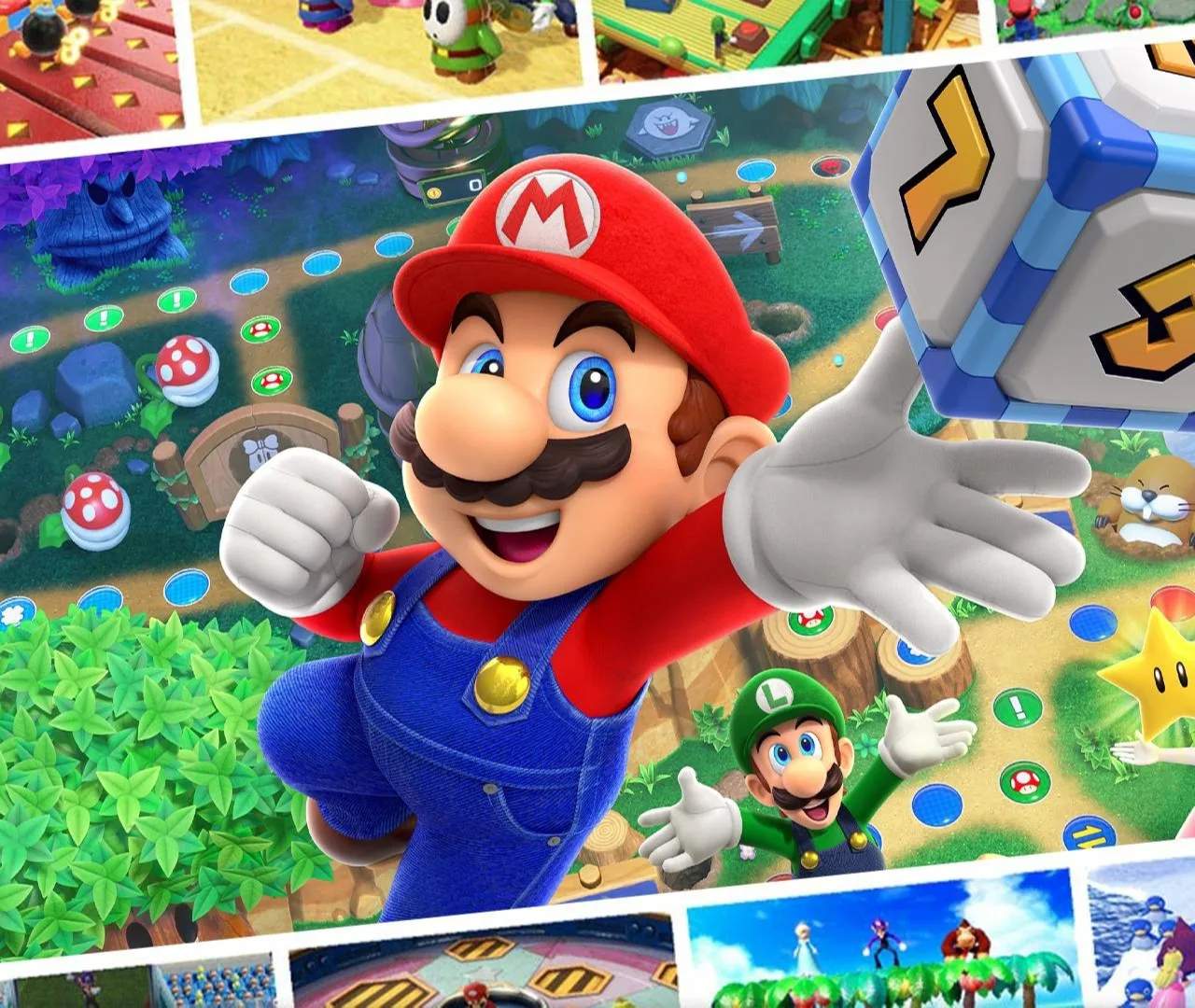
Navigating the Social Dynamics of Mario Party Superstars: Strategy and Player Interaction
While Mario Party Superstars doesn't feature explicit "Friendship Points" or "Rivalry Points" as hidden game mechanics, the game is inherently social. Player behavior, strategic item usage, and even a bit of psychological warfare are central to success. Understanding how to influence your opponents' perceptions and actions—and anticipating their reactions—is crucial for dominating the boards. This section delves into the social dynamics, strategic targeting, and item interactions that define player relationships in Mario Party Superstars.
The Art of Strategic Targeting: Why Players Target You (or Don't)
Players in Mario Party Superstars are driven by one goal: collecting the most Stars and Coins. Their decisions on who to target, what items to use, and how to play mini-games are almost always influenced by who they perceive as the biggest threat or the easiest victim. There are no hidden stats, but there are clear patterns of behavior.
Factors Influencing Player Targeting:
- Star/Coin Count: The most obvious factor. Players with the most Stars (and often Coins) are prime targets for negative items and mini-game focus. If you're in the lead, expect to be targeted.
- Proximity to a Star: If you're close to buying a Star, or if a Star is about to move to your location, other players might try to disrupt your path with items like the Warp Pipe or Custom Dice Block.
- Previous Actions: Did you just steal a Star with a Boo Bell? Did you land on a Bowser Space and cause another player to lose Coins? Such actions will almost certainly make you a target for retaliation.
- Mini-Game Performance: Consistently winning mini-games can make you seem like a threat, leading others to gang up on you in team mini-games or focus on hindering you on the board.
- Perceived Threat Level: Sometimes, a player might target you simply because they believe you are a strong player or a consistent winner, regardless of your current Star count.
Item Usage and Its Social Impact
Items are the primary tools for influencing other players, both positively and negatively. Every item use sends a message and can provoke a reaction.
Items That Provoke Negative Reactions (and Targeting):
These items are designed to hinder opponents and will often make you a target for retaliation.
- Boo Bell: Summons Boo to steal Stars or Coins. Stealing a Star is the ultimate provocation and will almost guarantee you become a target. Stealing Coins is less severe but still impactful.
- Strategic Note: Use when a Star is out of reach or to prevent a player from winning. Be prepared for immediate counter-attacks.
- Warp Pipe: Swaps your position with another player. Often used to steal a Star opportunity or move an opponent away from a desirable location.
- Strategic Note: Highly effective for disrupting an opponent's Star path. Can also be used defensively to escape a bad situation.
- Bowser Suit: Allows you to steal Coins from other players by passing them.
- Strategic Note: A powerful coin-stealing item, especially on boards with many junctions. Will definitely make you an enemy.
- Custom Dice Block: While not inherently negative, using it to land on a Star space just before another player, or to activate a negative event space for them, can be seen as an aggressive move.
- Strategic Note: Versatile. Can be used for personal gain or to strategically hinder others.
- Chomp Call: Summons a Chain Chomp to move the Star to a new location. If used to move the Star away from an opponent who was about to get it, it can be seen as a direct attack.
- Strategic Note: Excellent for denying opponents Stars, but can also backfire if the Star moves to a less favorable spot for you.
Items That Can Foster Neutral or Even Positive Perceptions:
While Mario Party Superstars doesn't reward "friendship," some item uses are less provocative or can even be perceived as beneficial (even if indirectly).
- Mushroom/Golden Mushroom: Increases your dice roll. Using these for personal gain is generally neutral.
- Strategic Note: Essential for movement. Rarely causes animosity unless used to snatch a Star from under someone's nose.
- Hidden Block Card: Reveals a hidden block. Generally a neutral action for personal gain.
- Strategic Note: Can yield Coins, items, or even a Star. Low risk of provoking others.
- Super Star: Makes you invincible to negative events for one turn. A defensive item.
- Strategic Note: Crucial for protecting yourself when in the lead or anticipating a Boo attack.
- Coinado: Steals Coins from all other players. While it steals, it's a broad attack rather than a targeted one, sometimes leading to less direct animosity than a Boo Bell.
- Strategic Note: Great for a quick coin boost, especially if you're behind.
Mini-Game Dynamics and Social Play
Mini-games are where direct player interaction is most evident. Your performance and actions here can significantly impact how others view you.
Competitive Mini-Games (Free-for-All):
- Winning Consistently: While great for your Star count, consistently dominating free-for-all mini-games can make you a target on the board. Other players might see you as a threat to be neutralized.
- Targeting Specific Players: In mini-games where you can directly attack or hinder others (e.g., "Bumper Balls," "Pushy Penguins"), targeting the current leader or a player who recently wronged you is common.
Team Mini-Games (2v2, 3v1):
- Cooperation is Key: In 2v2 mini-games, working effectively with your partner is paramount. A good performance can foster a sense of temporary alliance, while poor cooperation might lead to frustration.
- Ganging Up: In 3v1 mini-games, the three players will almost always focus on the single player. If you're the "1," expect to be targeted relentlessly. If you're part of the "3," coordinating attacks is essential.
Common Pitfalls and Strategic Considerations
Understanding these social dynamics allows for more nuanced gameplay. Here are some pitfalls to avoid and strategies to employ:
Pitfalls to Avoid:
- Becoming the Obvious Target: Don't be so aggressive early on that everyone gangs up on you for the entire game. Sometimes, it's better to stay under the radar until the mid-to-late game.
- Ignoring Retaliation: If you steal a Star, assume the targeted player will be looking for revenge. Hold onto defensive items like a Super Star or be prepared to use a Warp Pipe to escape.
- Predictable Play: If you always target the same player or use items in the same way, opponents will learn your patterns and counter them.
Strategic Application:
- Early Game (Turns 1-5): Focus on accumulating Coins and items. Avoid overly aggressive plays unless a clear Star opportunity presents itself. Try to avoid becoming the immediate "threat." Use Mushrooms to get ahead, but don't steal Stars unless absolutely necessary.
- Mid Game (Turns 6-15): This is often when the most intense item usage occurs. Identify the current leader and those close behind. Use your negative items strategically to disrupt their progress. If you're behind, a well-timed Boo Bell can change everything, but be ready for the consequences.
- Late Game (Turns 16-20+): Every turn counts. Focus on your primary rivals. If you're in the lead, prioritize defensive items (Super Star, Hidden Block Card) and try to maintain your position. If you're behind, use all your resources (Boo Bell, Warp Pipe, Chomp Call) to create chaos and snatch a Star. Anticipate that players will be desperate and will target whoever is closest to victory.
- Psychological Warfare: Sometimes, simply holding onto a powerful item like a Boo Bell can deter others from targeting you, as they know you have a strong counter. Conversely, feigning weakness can sometimes make you less of a target.
Board-Specific Social Dynamics
Each board in Mario Party Superstars has unique mechanics that can influence player interactions and targeting strategies.
- Peach's Birthday Cake: The "Piranha Plant" spaces can be used to steal Coins from specific players. Using these aggressively will make you a target. The "Chance Time" spaces are always a wild card, but players will often try to manipulate movement to land rivals on them.
- Space Land: The "Bowser Beam" can target specific players, causing them to lose Coins or items. If you're consistently activating this against one player, expect animosity. The "Happening Spaces" that trigger Chain Chomps can also be used to send rivals into dangerous areas.
- Woody Woods: The changing direction signs and "Thwomp" spaces create dynamic movement. Using items like the Custom Dice Block to force an opponent into a bad path or onto a Thwomp can be highly effective and provoke strong reactions.
- Yoshi's Tropical Island: The two Star locations mean players often split up. Using a Warp Pipe to send a rival to the "wrong" side of the island can be a powerful, if provocative, move.
- Horror Land: The day/night cycle significantly alters the board. Using a Custom Dice Block to ensure an opponent lands on a "Boo" space at night (when Boo is active) is a classic aggressive tactic.
In Mario Party Superstars, while there are no hidden "Friendship" or "Rivalry" stats, the game is a masterclass in social interaction and strategic decision-making. Pay attention to your opponents' actions, anticipate their moves, and use your items wisely to navigate the complex web of alliances and rivalries that naturally emerge on the board. You who best understands and manipulates these dynamics will often be the one to claim victory!
While Mario Party Superstars relies on organic social tension, Mario Kart Tour uses a structured Friend Ranking system that rewards competitive interactions through weekly leaderboard challenges.
While Mario Party Superstars relies on organic player interaction, Mario & Luigi: Superstar Saga uses formal Bros. Points to quantify the mechanical synergy between the iconic brothers.