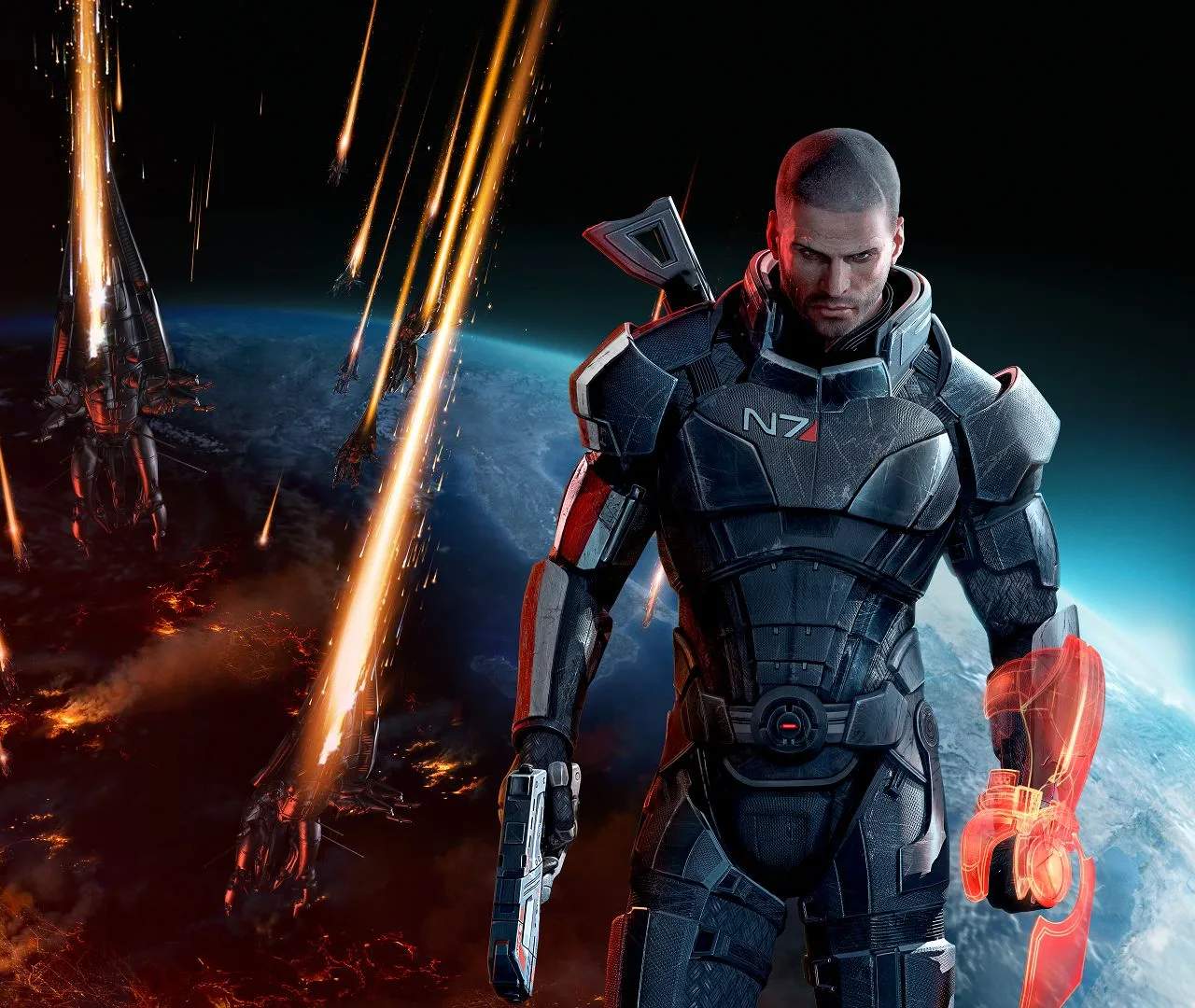
Fan Theories & Discussions
The Mass Effect trilogy, with its intricate lore and complex narrative, has naturally spawned a vibrant community of fans who engage in deep discussions and theorize about various aspects of the game. From the nature of the Reapers to the true meaning behind the endings, these fan theories offer unique perspectives and interpretations that enrich the Mass Effect experience long after the credits roll.
These discussions often revolve around unresolved plot points, ambiguous character motivations, and the deeper philosophical themes embedded within the games. The community's creativity and dedication to dissecting every detail have led to some fascinating and thought-provoking ideas that continue to be debated among players.
The Indoctrination Theory
Perhaps the most enduring and widely discussed fan theory is the Indoctrination Theory. This theory posits that Commander Shepard, particularly during the final act of Mass Effect 3, is under the subtle mental influence of the Reapers (indoctrination). The theory suggests that the choices presented at the end are not real but are manifestations of Reaper manipulation designed to achieve their desired outcome.
- Evidence cited: Ambiguous imagery in the final sequences, Shepard's hallucinations throughout the game, and the seemingly contradictory nature of the ending choices are often pointed to as supporting evidence.
- Counterarguments: Developers have largely dismissed the theory, stating their intention was for the choices to be genuine.
The Nature of the Reapers
Beyond their cyclical harvesting, fans have theorized about the Reapers' true origins and motivations. Some believe they are not purely malevolent but are acting out of a twisted sense of order or are themselves controlled by an even greater entity.
- The Catalyst's Role: Is the Catalyst a sentient AI, a Prothean construct, or something else entirely? Its nature remains a subject of much debate.
- Reaper Evolution: Some theories suggest the Reapers themselves evolve or have different factions with varying goals.
The Fate of Specific Characters
Many discussions center on the fates of beloved characters, particularly those whose endings are left ambiguous or depend heavily on player choices.
- Legion's Fate: If Legion uploads the Reaper code to the Geth consciousness, does this lead to their enlightenment or destruction?
- Mordin's Sacrifice: Was Mordin's act of curing the Genophage truly successful, or did it have unforeseen consequences?
- The Illusive Man's Indoctrination: The extent and nature of his indoctrination are often debated.
The Meaning of the Endings
The controversial nature of Mass Effect 3's endings has fueled extensive fan interpretation. Beyond the literal interpretations, fans have sought deeper symbolic meanings.
- Synthesis as Transcendence: Some view the Synthesis ending not as a forced merge but as a natural evolution or a necessary step for galactic survival.
- Destroy as a Tragic Necessity: Others see the Destroy ending as a brutal but ultimately necessary act to ensure the continued existence of organic life, even at the cost of synthetic beings.
Community Engagement
Fan communities actively engage through forums, social media, and dedicated wikis. These platforms are where theories are born, debated, and refined. The shared passion for the Mass Effect universe fosters a collaborative environment for exploring its many mysteries.
While many of these theories remain speculative, they highlight the lasting impact of Mass Effect's storytelling and its ability to inspire creative thought and passionate discussion among its dedicated fanbase.