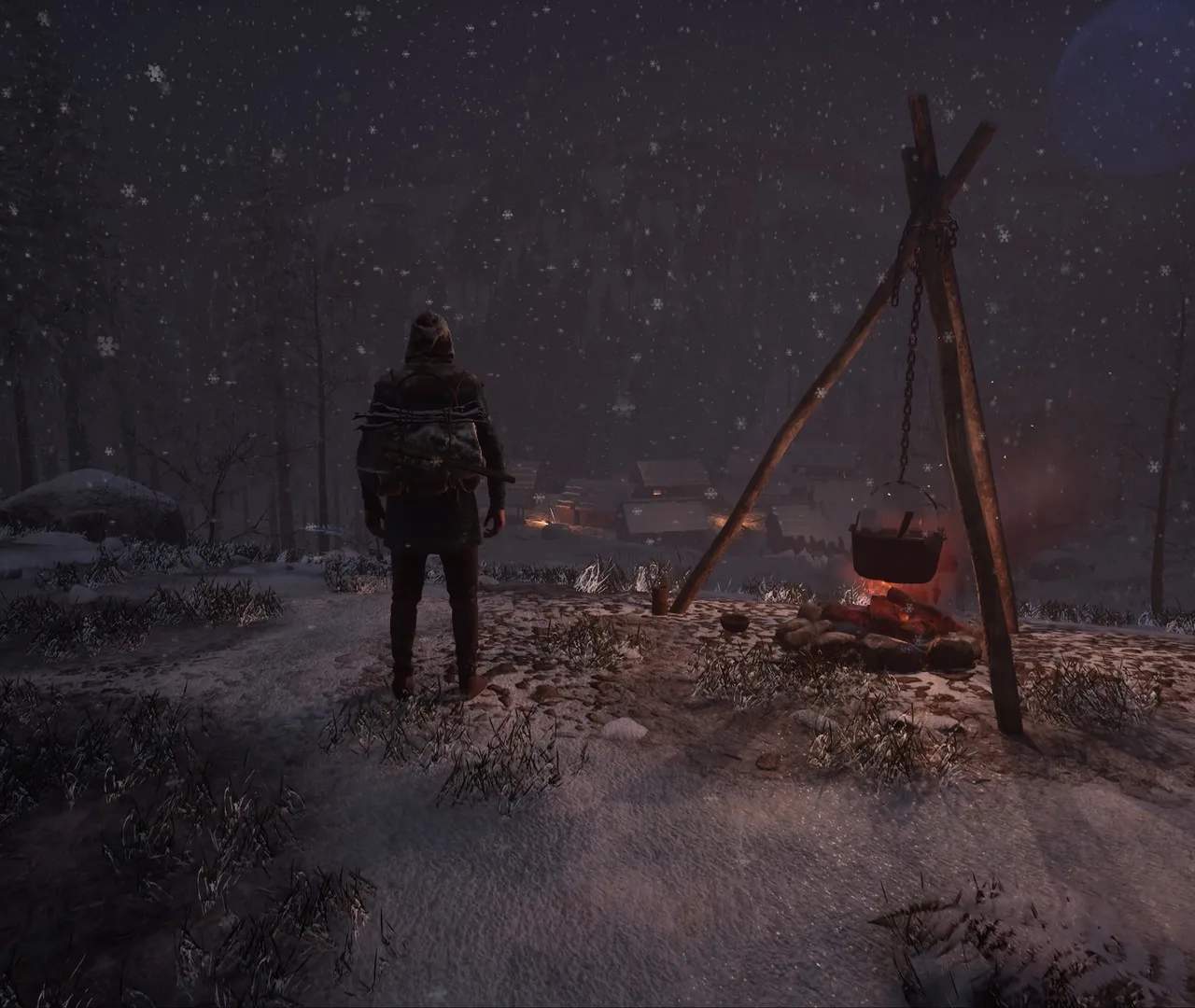
Game Modes & Difficulty Settings
Medieval Dynasty offers a robust set of customization options to tailor your experience, whether you're a seasoned survivalist or a newcomer looking to build your first village. Understanding these settings is crucial for a rewarding playthrough. You can adjust these parameters when starting a new game, and many can be tweaked mid-game through the in-game menu (typically accessed by pressing 'Esc' and navigating to 'Settings' then 'Game').
Standard Game Modes
While there isn't a strict "story mode" versus "sandbox mode" distinction, the core gameplay loop naturally blends quest-driven progression with open-world building. The primary game mode is a continuous survival and management simulation, where you progress through seasons, build your dynasty, and complete main story quests and side missions.
- Dynasty Management: This is the heart of the game. You'll manage resources, construct buildings, recruit villagers, assign jobs, and ensure the well-being of your growing settlement.
- Survival Elements: Hunger, thirst, temperature, and health are constant concerns. You'll need to hunt, gather, farm, and craft to stay alive and keep your villagers fed and warm.
- Questing: The main storyline, involving Uniegost and other NPCs, guides you through the early game and provides objectives to expand your influence. Side quests offer additional challenges and rewards.
Custom Difficulty Settings
Medieval Dynasty truly shines in its granular difficulty customization. Instead of pre-set "Easy," "Normal," or "Hard" modes, you can individually adjust numerous sliders to create your perfect challenge. This allows for incredibly specific gameplay experiences, from a relaxed building simulator to a brutal struggle for survival.
Survival & Resource Management
These settings directly impact your character's needs and the availability of essential resources.
- Player Damage Received: Controls how much damage your character takes from animals, falls, and other hazards. Lowering this is ideal for new players to learn combat mechanics without constant death.
- Player Damage Dealt: Determines the effectiveness of your attacks against animals. Increasing this makes hunting easier, especially with early-game tools like the Stone Axe or Wooden Spear.
- Player Hunger & Thirst: Adjusts the rate at which your character becomes hungry and thirsty. Higher values mean more frequent eating and drinking, requiring more resource management.
- Player Health Regeneration: Dictates how quickly your health recovers naturally. A slower regeneration rate makes combat and accidents more punishing.
- Food & Water Consumption (Villagers): Controls how much food and water your villagers consume daily. Lowering this can significantly ease the burden on your early-game food production.
- Resource Abundance: Affects the spawn rate and quantity of natural resources like trees, stones, and wild plants (e.g., St. John's Wort, Dandelion). Higher abundance makes gathering less time-consuming.
- Animal Spawns: Influences the frequency and density of wild animals. More animals mean more hunting opportunities but also increased danger.
- Bandit Spawns: Controls the presence of hostile bandits. Lowering this can make exploration safer, especially if you're not focused on combat.
Building & Economy
These settings influence the speed of your village growth and economic progression.
- Building Limit: Determines the maximum number of buildings you can construct. Increasing this allows for larger, more complex villages.
- Dynasty Reputation Gain: Affects how quickly you earn Dynasty Reputation, which is crucial for recruiting more villagers and progressing the main story.
- Technology Points Gain: Controls the rate at which you earn Technology Points for various categories (e.g., Building, Survival, Farming). Faster gain allows quicker access to advanced structures and tools.
- Production Multiplier: Adjusts the output of your production buildings (e.g., Woodshed, Excavation Shed, Barn). A higher multiplier means your villagers produce more goods.
- Coin Gain: Influences the amount of money you receive from selling items or completing quests. Useful for funding early-game purchases like Seeds from vendors in Gostovia.
- Item Durability: Affects how quickly tools and weapons degrade. Lower durability means more frequent crafting or repairs.
Time & Seasons
These options allow you to control the pace of the game world.
- Season Length: Determines how many days each season lasts. Longer seasons provide more time for farming, building, and resource gathering before the next seasonal change. A typical default is 3 days per season, but extending it to 5 or 7 can be very beneficial for new players.
- Day/Night Cycle Speed: Controls how quickly in-game time passes. A slower cycle gives you more daylight hours to complete tasks.
Recommended Settings for New Players
If you're just starting your journey as a Medieval Dynasty founder, consider these adjustments for a more forgiving and enjoyable initial experience:
- Player Damage Received: Set to 50% or lower. This will make early encounters with boars and wolves less lethal.
- Player Hunger & Thirst: Set to 50% or lower. You'll spend less time foraging and more time building.
- Food & Water Consumption (Villagers): Set to 50%. This significantly reduces the pressure on your early food production.
- Resource Abundance: Set to 150% or higher. More trees, stones, and berries will be readily available around your starting location (e.g., near Gostovia or Borowo).
- Dynasty Reputation Gain: Set to 150%. You'll recruit villagers faster, accelerating your village's growth.
- Technology Points Gain: Set to 150%. Unlock essential buildings like the Hunting Lodge and Woodshed more quickly.
- Season Length: Set to 5 or 7 days. This provides ample time to plant crops, gather resources, and construct buildings before the season changes, especially critical for farming cycles.
Experiment with these settings to find the perfect balance that suits your playstyle. Remember, you can always adjust them later if you find the game too easy or too challenging!