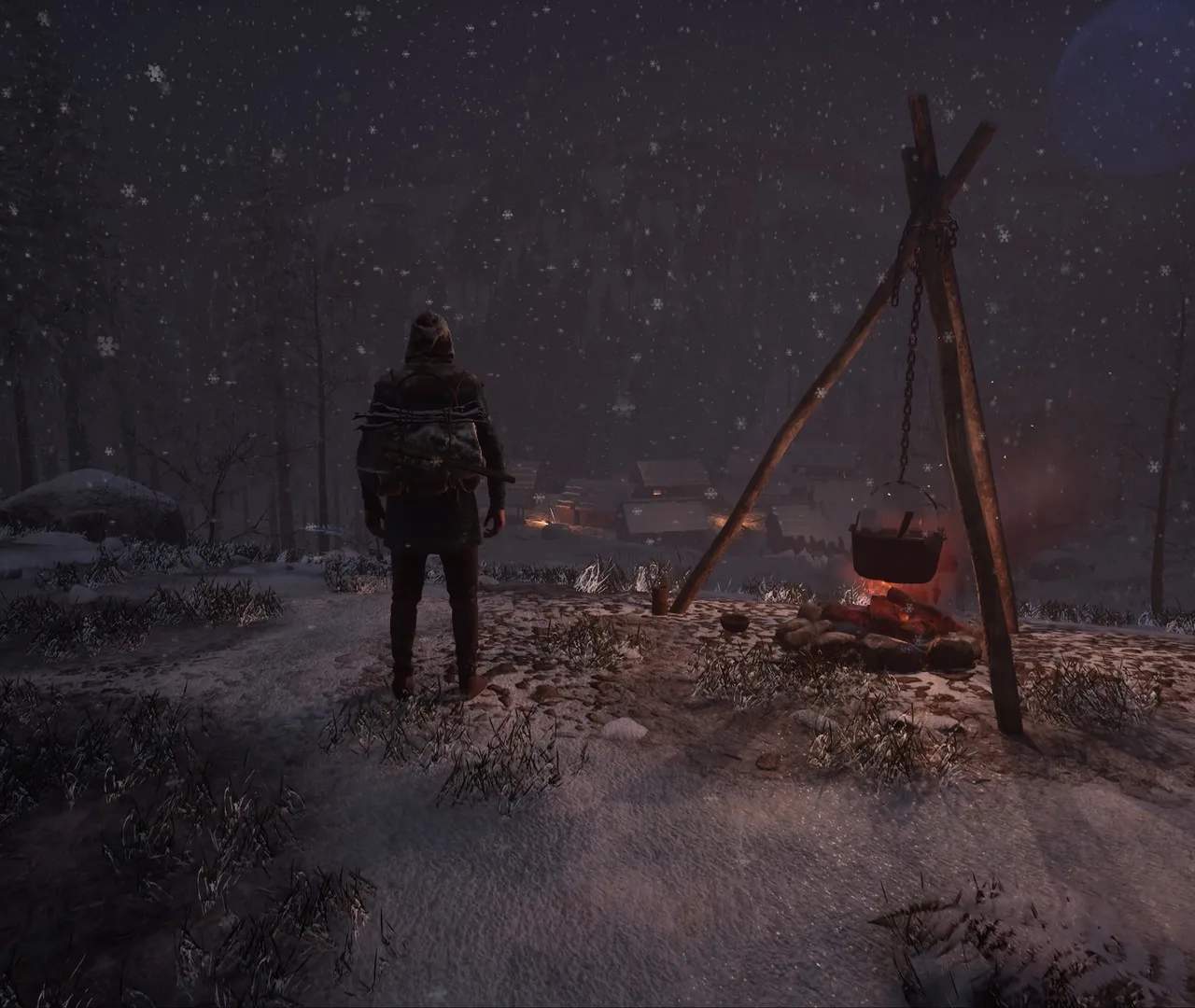
Dynasty Management & Succession
Establishing a lasting legacy in Medieval Dynasty goes beyond mere survival; it's about building a thriving lineage that will endure for generations. This section details the critical steps and strategies for managing your dynasty, ensuring a smooth succession, and maximizing your family's potential.
The Heir Apparent: Securing Your Legacy
Your primary goal for succession is to produce a male heir. While daughters are valuable for diplomatic marriages, only a son can directly inherit your title and continue your dynasty's name. The process begins with marriage.
- Finding a Suitable Spouse:
- Location: Visit various villages such as Gostovia, Denica, and Hornica. Look for unmarried women (indicated by a heart icon when interacting).
- Skills & Stats: Prioritize women with high "Diplomacy" and "Management" skills. A spouse with good "Farming" or "Hunting" can also contribute significantly to your village's early economy.
- Affection: You'll need to build her affection towards you. Engage in conversation, offer gifts (e.g., "Berries," "Mushrooms," or crafted items like "Simple Bags" or "Stone Knives"), and complete quests for her or her family. Aim for at least 70% affection for a successful marriage proposal.
- The Marriage Proposal: Once affection is high enough, a marriage option will appear in the dialogue wheel. Be prepared for a small dowry payment (usually a few hundred coins) to her family.
- Conception & Birth: After marriage, ensure your wife is assigned to a "House" (preferably your own). Over time, she will become pregnant. The pregnancy lasts for two in-game seasons. After birth, your child will be a baby for two years, then a toddler, and eventually a teenager.
Raising Your Successor: Nurturing Future Leaders
Your heir's development is crucial. Their skills and traits will directly impact your future gameplay.
- Early Childhood (Ages 0-13):
- Automatic Growth: During these years, your child's base stats will grow automatically. There's no direct interaction to influence specific skills yet.
- Housing: Ensure your heir has a comfortable home. A "Small House" or "House" with a "Firewood" supply and basic food will keep them content.
- Teenage Years (Ages 14-18):
- Skill Assignment: Once your heir reaches 14, you can begin assigning them to various tasks within your village. This is where their skill development truly begins.
- Strategic Skill Development:
- Management: Assign them to the "Resource Storage" or "Food Storage" to develop their management skills. This is vital for future village leadership.
- Diplomacy: Have them interact with villagers or assign them to a "Market Stall" (once built) to boost diplomacy.
- Production Skills: If you envision them as a crafter or farmer, assign them to the "Workshop," "Barn," or "Fields."
- Education: While there isn't a dedicated "school" building, assigning tasks acts as their education. The more they perform a task, the faster that skill will increase.
Succession Event: Passing the Torch
The succession event occurs when your main character dies. This can happen due to old age (around 60-70 years old), starvation, injury, or animal attacks. If you have a male heir who has reached adulthood (18 years old), you will automatically switch to playing as him.
- If No Adult Male Heir: If you die without an adult male heir, the game will end. This emphasizes the importance of early marriage and family planning.
- Inherited Skills & Inventory: Your heir will inherit a portion of your skills and all of your inventory. This provides a significant head start for the new generation.
- Village Continuity: Your village, buildings, and resources will remain intact. The transition is seamless, allowing you to continue building your dynasty without interruption.
Advanced Dynasty Management: Expanding Your Influence
Beyond your direct heir, managing your extended family and villagers is key to long-term success.
Marriage for Villagers: Strengthening Your Workforce
Encourage your male villagers to marry and have children. This expands your village population and provides a future workforce.
- Finding Spouses for Villagers: Similar to your own marriage, villagers can find spouses in other villages. Ensure they have a "House" assigned to them first.
- Housing for New Families: Always have empty "Houses" available to accommodate new families and their children. A lack of housing will prevent villagers from marrying or having children.
Managing Villager Needs: Keeping Everyone Happy
A happy village is a productive village. Pay attention to your villagers' needs:
- Food & Water: Ensure your "Food Storage" is well-stocked with several food items (e.g., "Roasted Meat," "Porridge," "Bread") and your "Water Well" is accessible.
- Firewood: Provide ample "Firewood" in the "Resource Storage" for heating their homes, especially during winter.
- Housing Quality: Upgrade "Small Houses" to "Houses" for better insulation and comfort.
- Job Satisfaction: Assign villagers to jobs that align with their skills. A villager with high "Farming" skill will be happier and more productive in a "Barn" or "Field."
Diplomacy & Reputation: Building Alliances
Your dynasty's reputation is crucial for attracting new villagers, trading, and avoiding conflict.
- Completing Quests: Regularly complete quests for villagers and other NPCs. This boosts your "Dynasty Reputation."
- Fair Trading: Engage in fair trade practices at "Market Stalls" or directly with merchants.
- Avoiding Crime: Refrain from stealing or attacking other NPCs, as this severely damages your reputation.
By diligently managing your heir's development, ensuring a smooth succession, and fostering a thriving village, your dynasty will not only survive but prosper for generations to come in the challenging world of Medieval Dynasty.