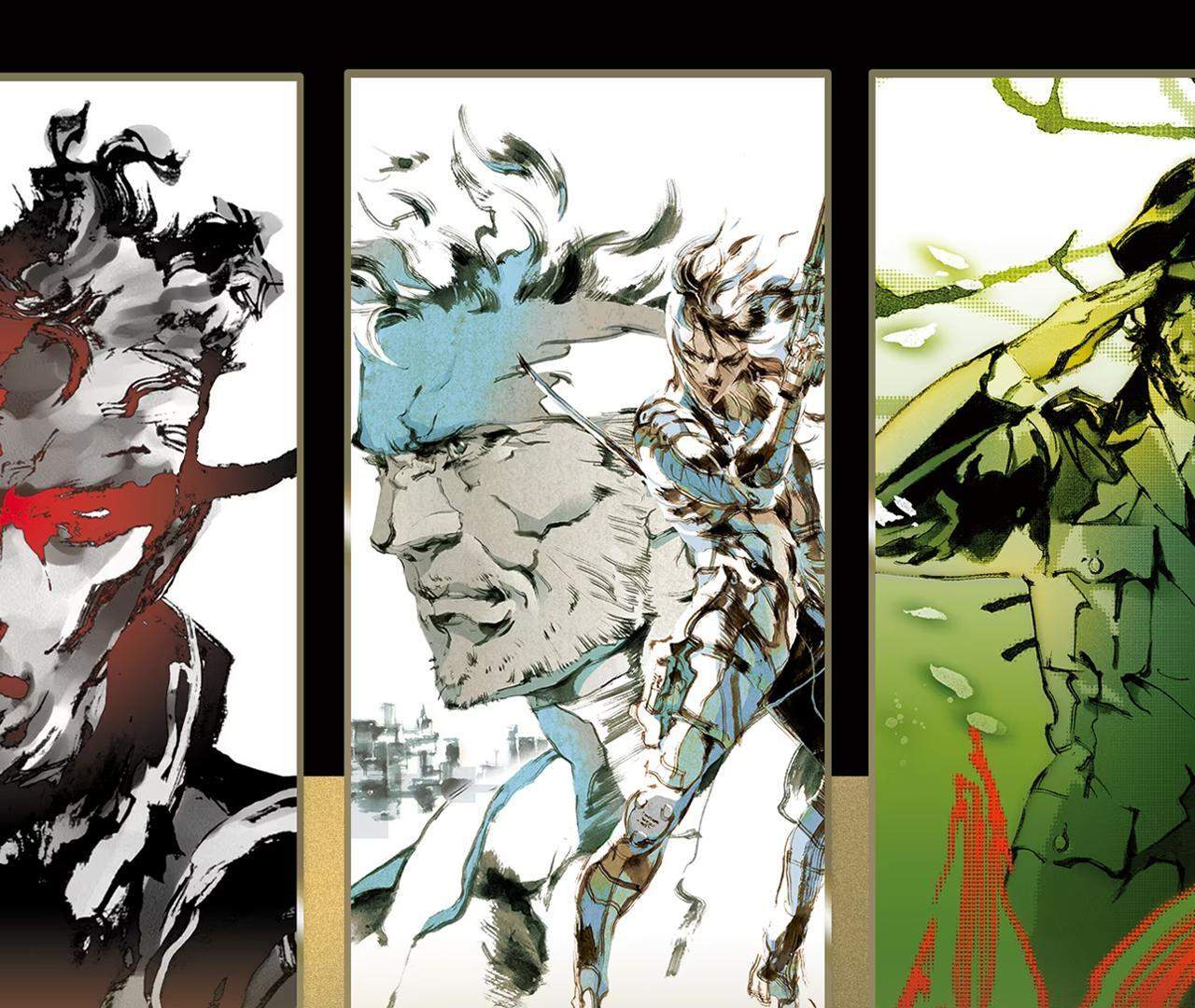
The Metal Gear Solid: Master Collection Vol. 2 is poised to deliver a profound exploration of complex philosophical themes, deeply embedded within its stealth-action gameplay and intricate narratives. The series has long been celebrated for transcending the typical boundaries of video game storytelling, delving into weighty subjects that resonate with players long after the credits roll. These themes often revolve around the nature of war, the ethics of genetic engineering, the pervasive influence of media and propaganda, and the very definition of humanity in an increasingly technological world. The Master Collection offers a unique opportunity to experience these thought-provoking narratives in their most definitive forms, allowing for a deeper appreciation of the philosophical underpinnings that have made Metal Gear Solid a landmark franchise.
Players will find themselves grappling with questions of free will versus determinism, the consequences of unchecked technological advancement, and the cyclical nature of conflict. The games often present morally ambiguous situations, forcing players to make difficult choices that have far-reaching implications. The concept of "memes" as units of cultural transmission, and their manipulation by powerful entities, is a recurring motif that challenges players to consider the power of ideas and information. The Master Collection Vol. 2 is not just about mastering stealth and combat; it's about engaging with a narrative that prompts introspection and encourages critical thinking about the world around us. The depth of these philosophical explorations is a hallmark of the series and a key reason for its enduring appeal.
The Nature of Warfare and Conflict
A central philosophical pillar within the Metal Gear Solid series, and likely to be prominently featured in the Master Collection Vol. 2, is the examination of warfare and its devastating consequences. The games consistently portray the futility and brutality of armed conflict, often highlighting the psychological toll it takes on soldiers and civilians alike. Players are frequently confronted with the moral compromises inherent in military operations, and the narrative often questions the justifications for war, even when framed as necessary for peace. The existence of advanced weaponry, such as the titular Metal Gear mechs, serves as a stark reminder of humanity's capacity for self-destruction and the ever-present threat of technological escalation.
The series also delves into the concept of "Outer Heaven" and "Zanzibar Land," which represent not just physical locations but also ideological constructs of defiance against established powers. These narratives explore the motivations behind rebellion and the complex interplay between oppressors and the oppressed. The games often challenge the player's perception of heroism, presenting protagonists who are flawed and burdened by their past actions. The philosophical implications of these portrayals encourage players to consider the true cost of conflict and the blurred lines between good and evil in a world perpetually on the brink of war. The Master Collection Vol. 2 will undoubtedly allow players to revisit these profound explorations of warfare in their original, unadulterated forms.
Information, Control, and Identity
Another significant philosophical theme explored throughout the Metal Gear Solid series, and expected to be a cornerstone of the Master Collection Vol. 2, is the manipulation of information and its impact on individual identity and societal control. The games frequently depict powerful organizations, such as the Patriots, exerting immense influence through the control of media, data, and even historical narratives. This raises critical questions about the nature of truth, the power of propaganda, and the potential for technology to be used as a tool for mass manipulation. Players often find themselves navigating a world where what they see and hear may not be the complete or accurate picture, forcing them to question their own perceptions and the information they receive.
The concept of "memes," as defined by Richard Dawkins, is often recontextualized within the Metal Gear universe to represent ideas and cultural constructs that can be propagated and weaponized. This exploration of memetics challenges players to consider how beliefs and ideologies are formed and how they can be exploited. Furthermore, the series frequently delves into the nature of identity, particularly in relation to cloning and artificial intelligence. The struggles of characters to define themselves amidst genetic manipulation and the pervasive influence of external forces prompt deep reflection on what it truly means to be human. The Master Collection Vol. 2 provides an ideal platform to re-examine these intricate discussions on information, control, and the very essence of identity.