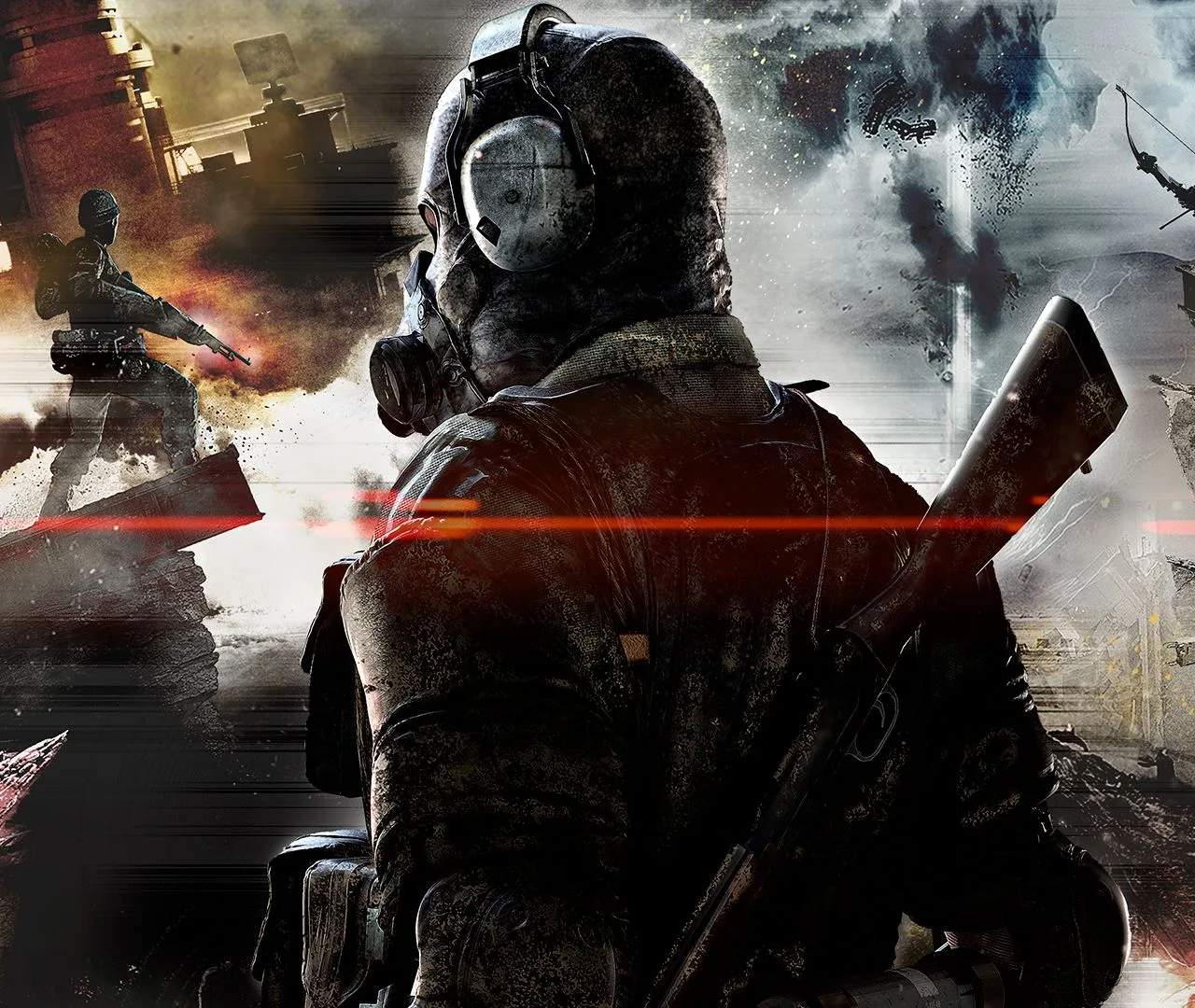
Crafting System Explained
The crafting system in Metal Gear Survive is your lifeline in the desolate Dite. Mastering it is crucial for survival, allowing you to create essential tools, weapons, armor, and base defenses. This guide will walk you through the intricacies of gathering resources, unlocking blueprints, and efficiently producing the gear you need.
Accessing the Crafting Menu
Crafting is primarily performed at the Workbench located within your Base Camp. Interact with the Workbench to open the crafting interface. Here, you'll find various categories for different item types, such as Weapons, Armor, Tools, and Base Defenses.
Resource Gathering: The Foundation of Crafting
Before you can craft anything, you need materials. Resources are scattered throughout the world, both in the dusty plains of Dite and within the dangerous Dust zones. Prioritize gathering during your expeditions.
- Common Resources:
- Iron Scrap: Found in abandoned vehicles, metal debris, and occasionally dropped by Wanderers. Essential for basic tools and weapons.
- Wood Scrap: Harvested from fallen trees, wooden crates, and structures. Used for primitive weapons, arrows, and some base defenses.
- Plastic Scrap: Recovered from discarded containers, electronic waste, and some enemy drops. Important for various utility items.
- Cloth Scrap: Found in torn clothing, upholstery, and some enemy drops. Used for bandages and light armor.
- Advanced Resources: As you progress, you'll encounter rarer materials. These are often found in more dangerous areas or as rewards for completing specific objectives.
- Kuban Energy: The primary currency and upgrade material. Harvested from Kuban crystals, defeated Wanderers, and mission rewards. Used for character upgrades and some high-tier crafting.
- Medical Supplies: Found in medical kits, abandoned clinics, and occasionally dropped by specific enemy types. Crucial for crafting healing items.
- Gunpowder: A vital component for firearms and explosives. Often found in military caches or crafted from other chemical components.
- Rare Metals (e.g., Titanium, Tungsten): Discovered in specific mining locations within the Dust or as rewards from challenging Base Digs. Required for advanced weapons and armor.
Strategy: Always keep an eye out for glowing resource nodes. Equip a Resource Detector (craftable early on) to highlight nearby materials on your mini-map, making gathering significantly more efficient. Prioritize clearing out areas to safely gather resources without constant interruption from Wanderers.
Unlocking Blueprints (Manuals)
You can't craft an item until you have its blueprint, also known as a "Manual." Blueprints are acquired through several methods:
- Story Progression: Many essential blueprints are unlocked automatically as you advance through the main story missions.
- Exploration: Hidden blueprints can be found in containers, abandoned buildings, or specific points of interest throughout Dite. Always thoroughly explore new areas.
- Base Digs: Successfully completing Base Dig missions often rewards you with new blueprints, especially for advanced weapons, armor, and base defenses. The higher the difficulty, the better the potential rewards.
- Daily/Weekly Orders: Completing these optional objectives can sometimes grant you blueprints as a reward.
- Event Rewards: While event rewards are typically character-specific and not shareable across multiple characters for repeat acquisition, some events may offer unique blueprints.
Tip: If you're struggling to find a specific blueprint, consider replaying Base Digs or exploring areas you might have rushed through. Remember that manuals, once acquired, can be used by all characters on your account, making subsequent playthroughs much faster.
Crafting Process: Step-by-Step
- Access the Workbench: Return to your Base Camp and interact with the Workbench.
- Select a Category: Navigate through the categories (Weapons, Armor, Tools, etc.) to find the item you wish to craft.
- Choose an Item: Select the specific item from the list. The crafting interface will display the required materials on the right side of the screen.
- Check Materials: Ensure you have all the necessary resources in your inventory. If you're missing something, the required material will be highlighted in red.
- Craft: If you have all materials, press the designated button to craft the item. It will instantly appear in your inventory.
Upgrading and Repairing
Crafting isn't just about making new items; it's also about maintaining and improving your existing gear.
- Upgrading: Many weapons and armor pieces can be upgraded at the Workbench using Kuban Energy and specific materials. Upgrades improve stats like damage, durability, and defense. Prioritize upgrading your primary weapons and armor to stay competitive against increasingly tougher enemies.
- Repairing: All crafted and found gear has durability. As you use items, their durability decreases. When an item's durability is low, its effectiveness diminishes. You can repair items at the Workbench using a small amount of the original crafting materials. Don't let your gear break in the field!
Strategic Crafting Tips
- Early Game Focus: Prioritize crafting essential survival tools like the Water Bottle, Canteen, and basic Machete. Also, craft a Resource Detector as soon as possible.
- Base Defenses: Don't neglect crafting base defenses like Fences, Barricades, and Turrets. These are vital for protecting your Base Camp during Base Digs and fending off Wanderer attacks.
- Ammunition: Firearms are powerful but require constant ammunition crafting. Always keep a healthy stock of Gunpowder and other components to ensure you don't run out during critical encounters.
- Food and Water: While not strictly "crafted" in the same way as weapons, you'll need to process raw food and purify water at the Base Camp to prevent hunger and thirst. This is an extension of the resource management aspect of crafting.
- Inventory Management: The Weapon and Armor inventory box is shared across all your characters. This means you can craft powerful gear with your main character and then equip it on a new character, making subsequent playthroughs significantly easier. Use this to your advantage for a "very OP play through."