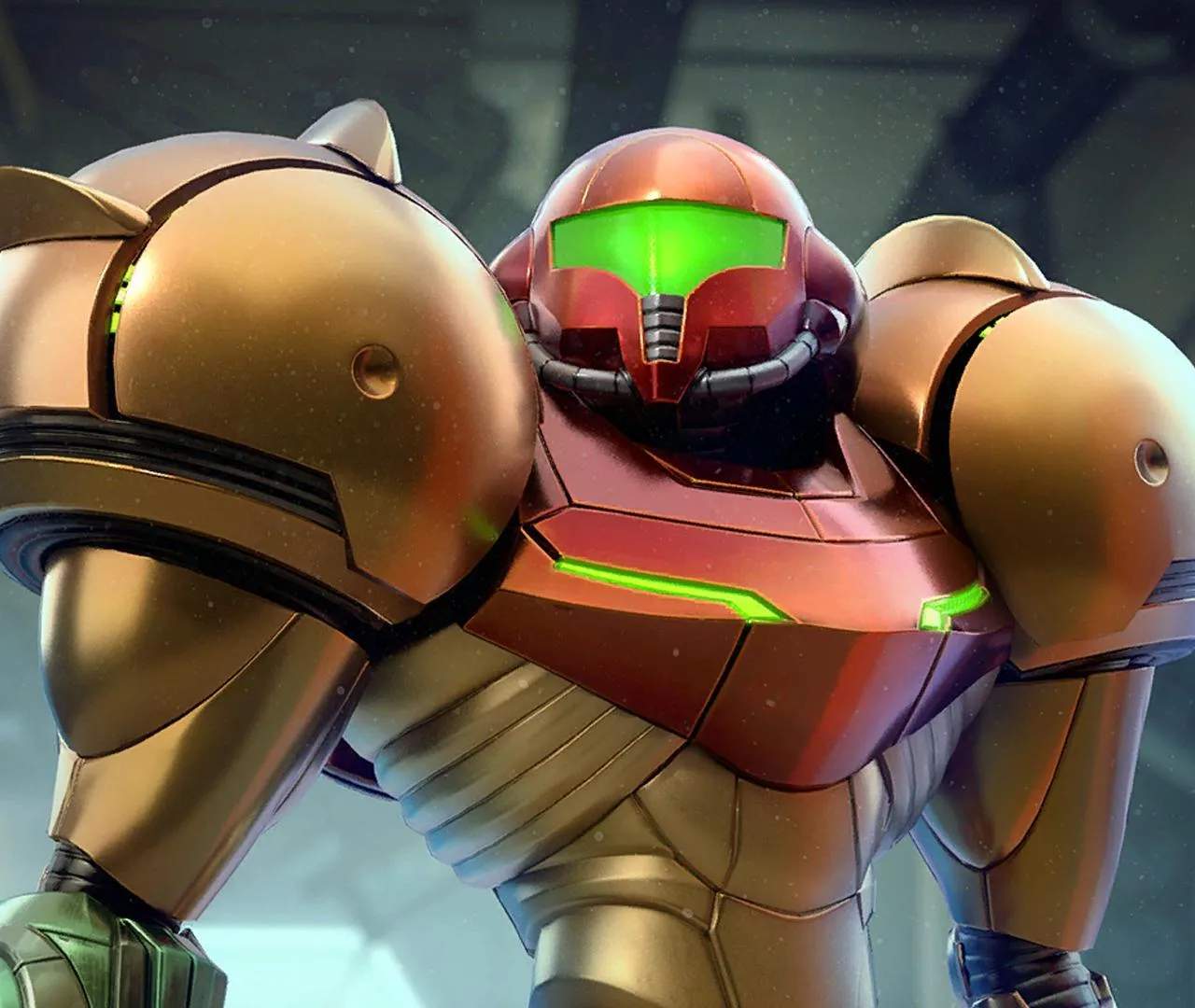
Game Versions & Differences
Welcome, bounty hunter! While Metroid Prime Remastered on the Nintendo Switch offers the definitive way to experience Samus Aran's first 3D adventure, it's important to understand its lineage. This section details the various iterations of Metroid Prime and highlights the key differences that make the Remastered edition stand out. Knowing these distinctions can enhance your appreciation for the game's evolution and help you understand certain legacy mechanics or design choices.
The Original: Metroid Prime (GameCube)
Released in 2002 (North America) and 2003 (Europe/Japan), the original Metroid Prime for the Nintendo GameCube was a groundbreaking title. It pioneered the "First-Person Adventure" genre, blending traditional Metroidvania exploration with immersive 3D combat. Key characteristics include:
- Control Scheme: The GameCube version utilized a unique control scheme, often referred to as "tank controls" by some players. Movement was primarily handled by the left analog stick, while aiming was assisted by a lock-on system. Free-look was limited and required holding a button.
- Graphics: While revolutionary for its time, the graphics are naturally dated compared to modern standards. Textures were lower resolution, and character models had fewer s.
- Content: The core game content, including areas, bosses, and items, is largely identical to subsequent versions.
- Unlockables: Completing the game on various difficulties unlocked bonus content, such as a gallery of concept art.
Metroid Prime: Trilogy (Wii)
In 2009, Nintendo released Metroid Prime: Trilogy for the Wii, a compilation that included Metroid Prime, Metroid Prime 2: Echoes, and Metroid Prime 3: Corruption. This version of Metroid Prime brought significant changes:
- Wii Motion Controls: The most notable change was the implementation of Wii Remote and Nunchuk motion controls. This allowed for more precise aiming and a generally more fluid combat experience, though some players preferred the traditional GameCube controls.
- Widescreen Support: The game was updated to support 16:9 widescreen displays, a significant improvement over the original's 4:3 aspect ratio.
- Graphical Enhancements: While not a full remaster, textures and models received a slight upscale, and some lighting effects were improved to better suit the widescreen presentation.
- Friend Vouchers: A new system called "Friend Vouchers" was introduced, earned by playing the game and used to unlock various bonuses across all three games in the collection.
- Removed Features: The original GameCube's multiplayer mode (from Metroid Prime 2) was removed from the Trilogy version.
Metroid Prime Remastered (Nintendo Switch)
The latest and greatest iteration, Metroid Prime Remastered, launched in 2023 for the Nintendo Switch. This version is a comprehensive overhaul, designed to bring the classic experience to a new generation with modern sensibilities:
- Completely Reworked Visuals: This is the most striking difference. Every texture, model, and environmental detail has been rebuilt from the ground up. Expect stunning high-definition graphics, enhanced lighting, and vastly improved visual effects that truly bring Tallon IV to life. The game runs at a smooth 60 frames per second, both docked and in handheld mode.
- Modernized Control Options: Players now have multiple control schemes to choose from:
- Dual Stick (Modern): This is the most familiar scheme for modern FPS players, using the left stick for movement and the right stick for camera control.
- Pointer (Wii-style): Emulates the Wii's motion controls, offering precise aiming with the Joy-Con or Pro Controller's gyroscope.
- Hybrid: A blend of dual stick and pointer controls, allowing for fine-tuned aiming while retaining traditional movement.
- Classic (GameCube-style): For purists, this option closely mimics the original GameCube control scheme, including its lock-on mechanics.
- Quality of Life Improvements:
- Improved Map: The in-game map is clearer and more detailed, making navigation easier.
- Hint System: An optional hint system can be toggled on to guide players who might get stuck.
- Accessibility Options: Various options are available to customize the experience for different player needs.
- Sound Design: While the iconic soundtrack remains, audio has been re-mixed and enhanced for a richer, more immersive soundscape.
- Unlockables: The Remastered edition features new unlockable content, including a comprehensive gallery of concept art, character models, and music, all presented in high definition. These are typically unlocked by collecting a certain percentage of items or completing the game on different difficulties.
In summary, while the core gameplay loop and narrative remain faithful to the original, Metroid Prime Remastered offers a significantly enhanced visual and control experience, making it the definitive way to play this timeless classic.