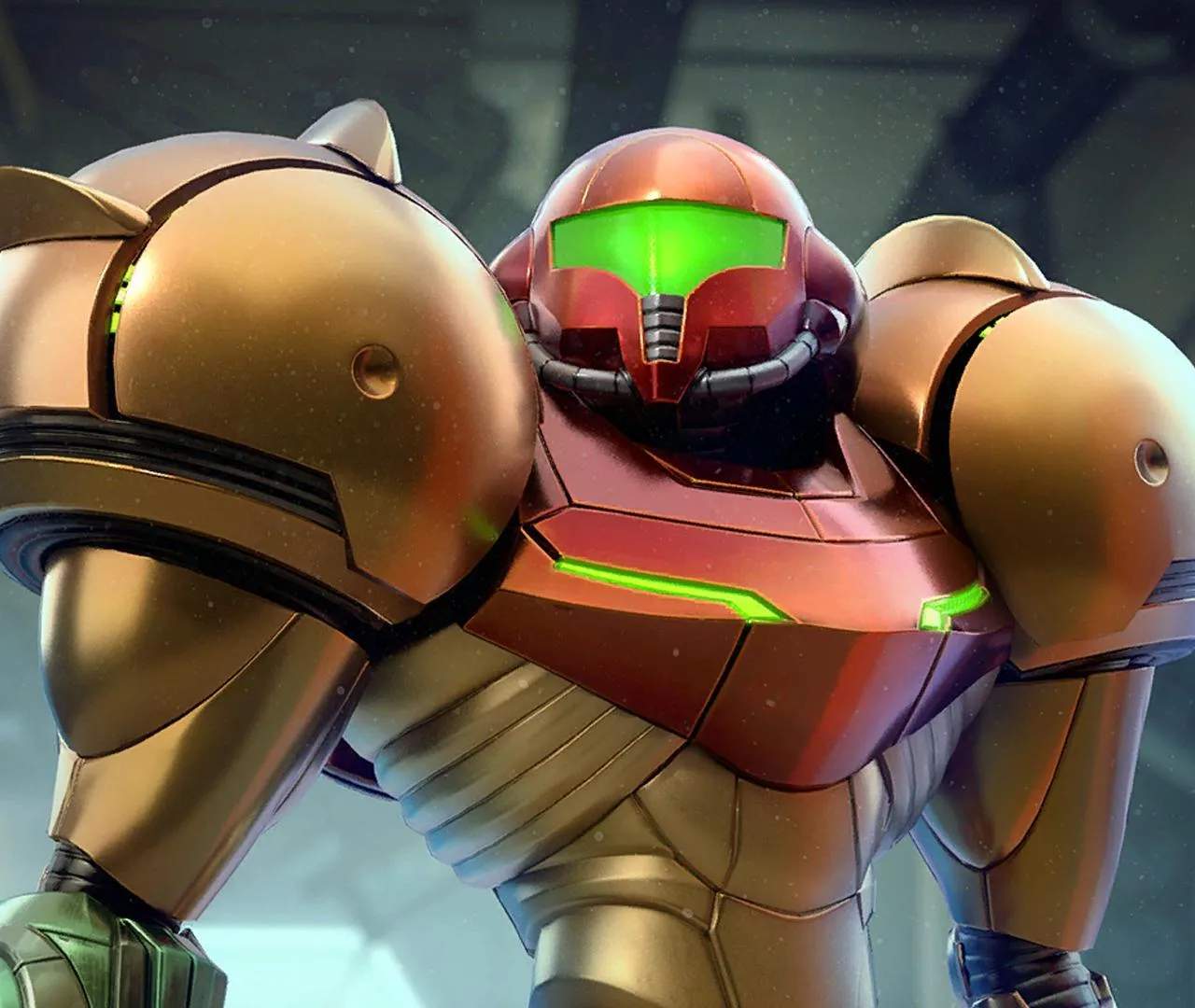
Version Differences & Remastered Changes
Welcome, veteran bounty hunters and new recruits alike! Metroid Prime Remastered brings the iconic adventure to a new generation with a host of enhancements and subtle tweaks. While the core gameplay and narrative remain faithfully preserved, understanding these differences can significantly impact your playthrough, especially if you're returning from the original GameCube or Wii versions. This section details the most impactful changes to help you navigate Tallon IV with maximum efficiency.
Graphics and Performance
The most immediately noticeable change is the complete overhaul of the game's visuals. Every texture, model, and environmental detail has been meticulously recreated, offering a stunningly modern presentation while retaining the original art direction. Expect:
- High-Definition Textures: From Samus's Varia Suit to the intricate carvings of the Chozo Ruins, everything boasts significantly higher fidelity.
- Improved Lighting and Effects: Dynamic lighting, enhanced particle effects, and more realistic reflections bring Tallon IV to life like never before. The glow of the Plasma Beam, the shimmer of water in the Sunken Frigate, and the ominous atmosphere of Phazon Mines are particularly striking.
- Smoother Framerate: The game consistently targets 60 frames per second, providing a much more fluid and responsive experience compared to the original's 30 FPS. This is especially beneficial during intense combat encounters and precise platforming sequences.
- Widescreen Support: The game now natively supports 16:9 widescreen aspect ratios, eliminating the black bars present in the original GameCube release.
Control Schemes
One of the most significant and welcome additions for many players is the expanded control options. No longer are you limited to the original GameCube's unique setup or the Wii's motion controls. Metroid Prime Remastered offers several configurations to suit every playstyle:
- Modern Controls (Dual Stick): This is the default and most familiar scheme for contemporary first-person games. The left stick moves Samus, and the right stick controls camera and aiming. This provides precise aiming and movement, making combat and exploration feel incredibly natural.
- Pointer Controls (Motion): For those who enjoyed the Wii's Metroid Prime Trilogy, this option returns. Using the Joy-Cons or Pro Controller's gyroscopic capabilities, you can aim with intuitive pointing gestures. This can be incredibly fast for target acquisition once mastered.
- Classic Controls (GameCube-style): A faithful recreation of the original GameCube layout, for purists who prefer the traditional feel. This uses a single analog stick for movement and strafing, with Z-targeting for aiming.
- Hybrid Controls: Experiment with various combinations, such as using dual-stick movement with pointer aiming, to find your perfect setup.
Actionable Tip: We highly recommend experimenting with all control schemes in the early areas like the Frigate Orpheon and Tallon Overworld. Find what feels most comfortable before diving into more challenging encounters, such as the Hive Mecha boss in the Chozo Ruins, where precise aiming is crucial.
Quality of Life Improvements
Beyond the visual and control overhauls, several subtle but impactful quality-of-life changes have been implemented to streamline the experience:
- Enhanced Map System: The in-game map has received minor visual improvements, making it slightly clearer to read. While not a complete redesign, it feels more polished.
- Logbook Enhancements: Scanning enemies and lore entries still provides valuable information, but the presentation within the Logbook is cleaner and more organized.
- Accessibility Options: While not extensive, some basic accessibility features may be present, such as remappable controls and subtitle options.
- Removed Glitches/Exploits: Many of the infamous sequence-breaking glitches and out-of-bounds exploits from the original GameCube version have been patched out. While this might disappoint speedrunners, it ensures a more consistent and intended gameplay experience for most players. Don't expect to skip the Boost Ball acquisition in the Chozo Ruins by wall-crawling!
Content Additions/Subtractions
Metroid Prime Remastered is a faithful recreation, not a reimagining. Therefore, there are no significant new areas, bosses, or major story beats added to the game. Similarly, no core content has been removed. The focus is entirely on enhancing the existing masterpiece.
- Unlockable Gallery: A new gallery featuring concept art, character models, and other behind-the-scenes content has been added, providing a deeper look into the game's development. This is unlocked by progressing through the game and achieving certain milestones, such as collecting a high percentage of Missile Expansions or scanning all enemy types.
- No Multiplayer: The original GameCube version did not feature multiplayer, and neither does the Remastered edition. This remains a purely single-player adventure.
In summary, Metroid Prime Remastered offers the definitive way to experience Samus Aran's first 3D adventure. The core challenge, intricate level design, and captivating atmosphere remain intact, now elevated by modern visuals, flexible controls, and subtle refinements. Whether you're a returning veteran or a newcomer, prepare for an unforgettable journey through Tallon IV!