Blocks
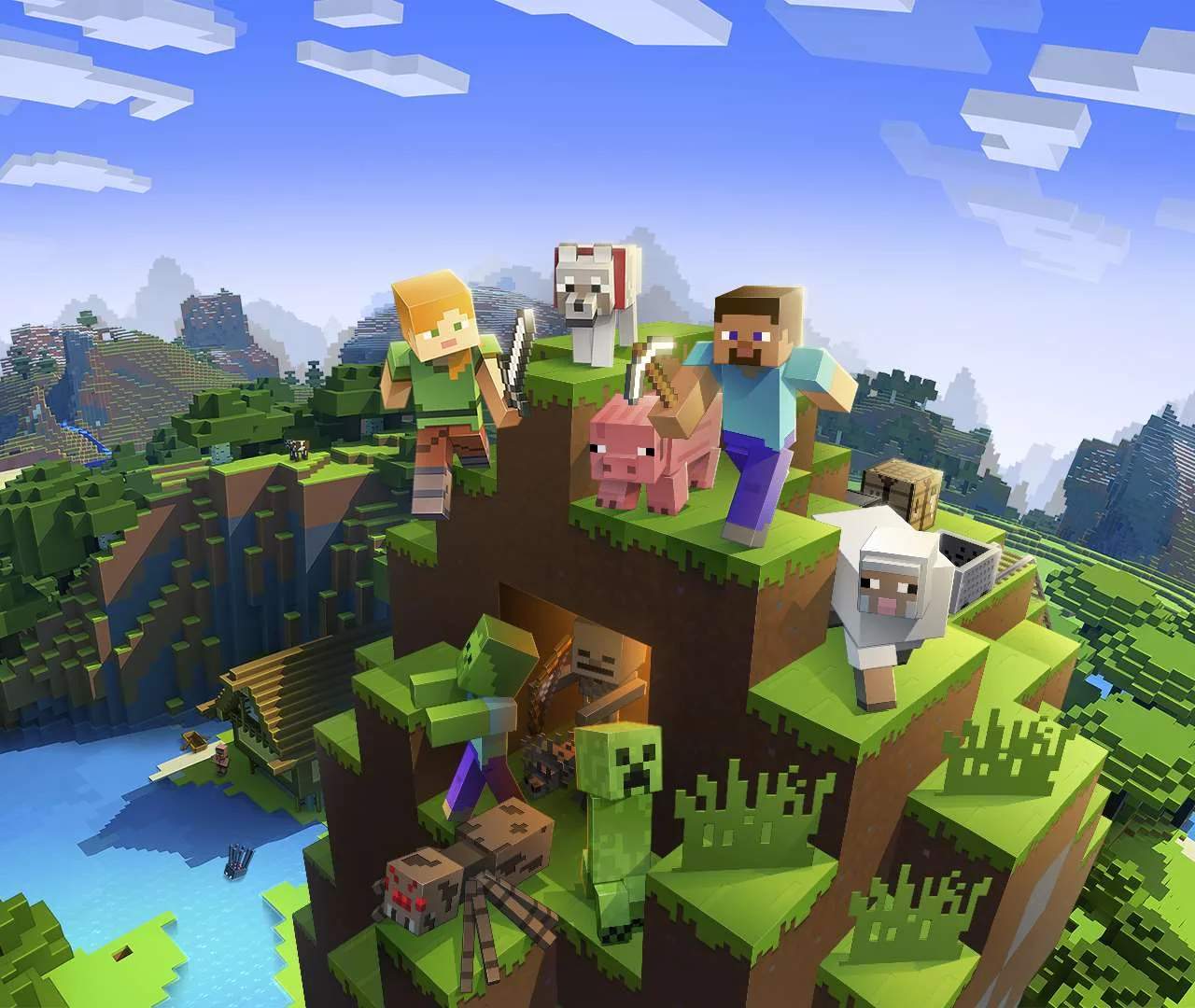
Blocks are the fundamental building units of the Minecraft world. From the dirt beneath your feet to the rarest ores, every tangible element is a block. They can be mined, placed, crafted, and transformed, forming the very foundation of your creations and survival. Understanding the properties and uses of different blocks is essential for progression and creativity.
In the blocky universe of Minecraft, blocks are everything. They are the raw materials from which your world is constructed, the resources you gather for survival, and the medium through which you express your creativity. From the most common dirt to the rarest gemstones, each block possesses unique properties that dictate its behavior, utility, and how it can be utilized in your gameplay. Mastering the diverse array of blocks is key to thriving and building in this expansive sandbox.
Types of Blocks:
Minecraft features an enormous variety of blocks, each with distinct characteristics:
- Natural Blocks: These are blocks found naturally in the world. Examples include Dirt, Stone, Sand, Gravel, Wood Logs, and various ores like Coal Ore, Iron Ore, and Diamond Ore. These are the primary resources for early-game survival and crafting.
- Crafted Blocks: These blocks are created by combining other items in a crafting table. Examples include Planks (from logs), Cobblestone (from stone), Bricks (from clay), and decorative blocks like Wool and Terracotta.
- Functional Blocks: These blocks have specific in-game mechanics and purposes beyond just being building materials. This category includes:
- Crafting Table: Essential for crafting most items.
- Furnace: Used for smelting ores and cooking food.
- Chests: For storing items.
- Doors, Trapdoors, Fences: For building structures and controlling access.
- Redstone Components: Such as Redstone Dust, Levers, Buttons, Pistons, and Repeaters, which enable complex contraptions and automation.
- Enchanting Table: For applying enchantments to items.
- Brewing Stand: For creating potions.
- Decorative Blocks: These blocks are primarily used for aesthetics and adding detail to builds. Examples include Glass, Stained Glass, Wool, Terracotta, Concrete, Banners, and Paintings.
- Special Blocks: Blocks with unique properties or found in specific dimensions. This includes Obsidian (highly blast-resistant), Netherrack (found in the Nether), End Stone (found in The End), and Sculk Blocks (found in the Deep Dark).
Mining and Placement:
Most blocks can be mined using appropriate tools. The type of tool required and the speed of mining depend on the block's hardness. For example, stone requires a pickaxe, while wood can be broken by hand or with any tool. Placing blocks is as simple as selecting them in your hotbar and right-clicking on the desired location.
Block Properties:
Each block has several properties that influence gameplay:
- Hardness: How long it takes to mine the block.
- Blast Resistance: How well the block withstands explosions (e.g., from Creepers).
- Transparency: Whether light can pass through it (e.g., Glass vs. Stone).
- Stackability: Most blocks stack up to 64, but some, like Ender Chests, stack to only one.
- Gravity: Some blocks, like Sand and Gravel, are affected by gravity and will fall if not supported.
The vastness of Minecraft's block palette is a core element of its appeal. You can gather raw materials, transform them into useful items and building components, and then use these blocks to construct anything imaginable, from simple shelters to intricate redstone machines and sprawling cities. Understanding the role and potential of each block is fundamental to mastering the game.
| Block Type | Examples | Primary Function |
|---|---|---|
| Natural | Dirt, Stone, Ores | Raw materials, resource gathering |
| Crafted | Planks, Bricks, Wool | Building, decoration |
| Functional | Crafting Table, Furnace, Redstone | Interactivity, automation, utility |
| Decorative | Glass, Terracotta, Banners | Aesthetics, personalization |