Understanding the Core of Minecraft: Game Mechanics Explained
Minecraft is a game of infinite possibilities, built upon a foundation of interconnected game mechanics. From the fundamental laws of physics to the intricate systems of crafting and combat, understanding these mechanics is key to survival, creativity, and mastering the game. This guide breaks down the essential game mechanics that every player should know.
Player Attributes: Your player character has several key attributes that influence gameplay:
- Health: Represented by red hearts, health determines how much damage you can take before dying. It can be replenished by eating food, using potions, or sleeping in a bed.
- Hunger: Represented by drumsticks, hunger depletes over time, especially when performing strenuous activities like sprinting or mining. A full hunger bar allows for health regeneration. If your hunger bar is empty, you will start to lose health.
- Saturation: A hidden value that determines how long your hunger bar stays full. Foods with higher saturation values keep you full for longer.
- Experience (XP): Gained from mining, smelting, killing mobs, and trading. XP is used for enchanting items and repairing them with an anvil.
Physics and World Interaction: Minecraft's world operates on a grid-based system with unique physics:
- Gravity: Most blocks are affected by gravity (sand, gravel, concrete powder). Players and mobs are also subject to gravity.
- Water and Lava: Water can extinguish fire and flow. Lava is a dangerous fluid that inflicts fire damage and can be a source of light. When lava and water meet, they can create obsidian or cobblestone.
- Light Levels: Light is crucial for preventing hostile mob spawns. Areas with low light levels (below 0) are where mobs will appear. Torches, glowstone, and other light sources are essential for safe exploration and building.
- Block Breaking and Placement: Blocks can be broken with tools (or by hand, albeit slowly) and placed to build structures. The speed of breaking depends on the tool, material, and enchantments.
Crafting and Inventory: Crafting is the heart of progression in Minecraft:
- Crafting Table: A 3x3 crafting grid that allows for a vast array of recipes. Essential for most items.
- Inventory: Your personal storage space, including hotbar, main inventory, and armor slots.
- Recipes: Discovered through experimentation or found in guides. Recipes require specific items arranged in a particular pattern in the crafting grid.
Combat Mechanics: Engaging with hostile mobs requires understanding combat:
- Melee Combat: Swords and axes are primary melee weapons. Attacking at the right time, often after a mob attacks, can deal critical damage.
- Ranged Combat: Bows and crossbows are used for ranged attacks. Arrows can be crafted or found.
- Shields: Can be used to block incoming damage from most attacks.
- Armor: Provides damage reduction. Different tiers of armor (leather, iron, diamond, netherite) offer varying levels of protection.
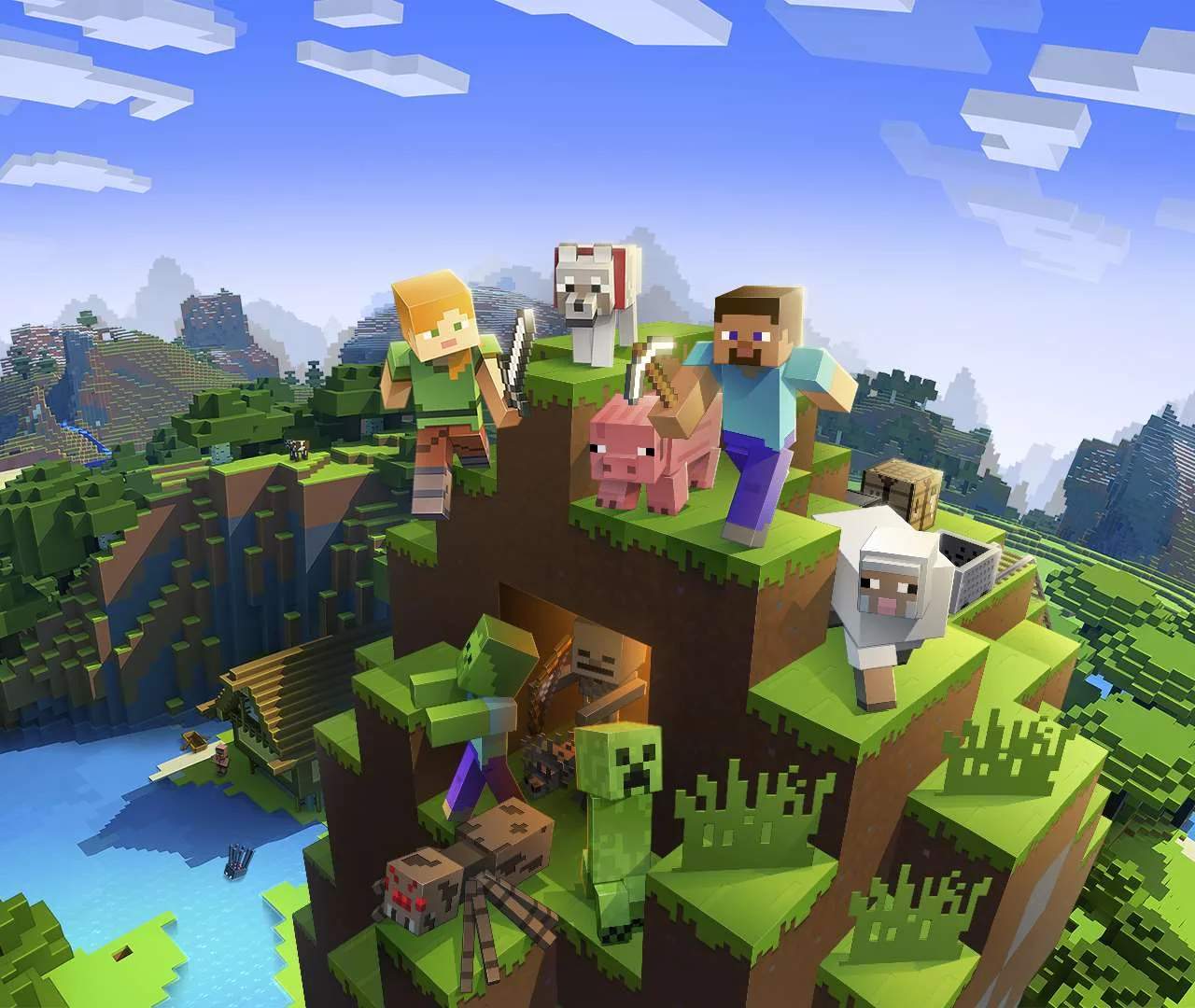
Mob Behavior: Mobs are the creatures that inhabit the world:
- Hostile Mobs: Attack players on sight (e.g., zombies, skeletons, creepers).
- Passive Mobs: Do not attack players and can be farmed for resources (e.g., cows, sheep, pigs).
- Neutral Mobs: Only attack if provoked (e.g., spiders in daylight, endermen).
Redstone Mechanics: Redstone dust acts as a power source and conductor, enabling complex contraptions, automated farms, and intricate mechanisms. Understanding Redstone components like levers, buttons, pistons, and repeaters is key to advanced builds.
By familiarizing yourself with these core game mechanics, you'll be well-equipped to tackle any challenge Minecraft throws your way, from surviving your first night to building elaborate Redstone machines.