World Generation
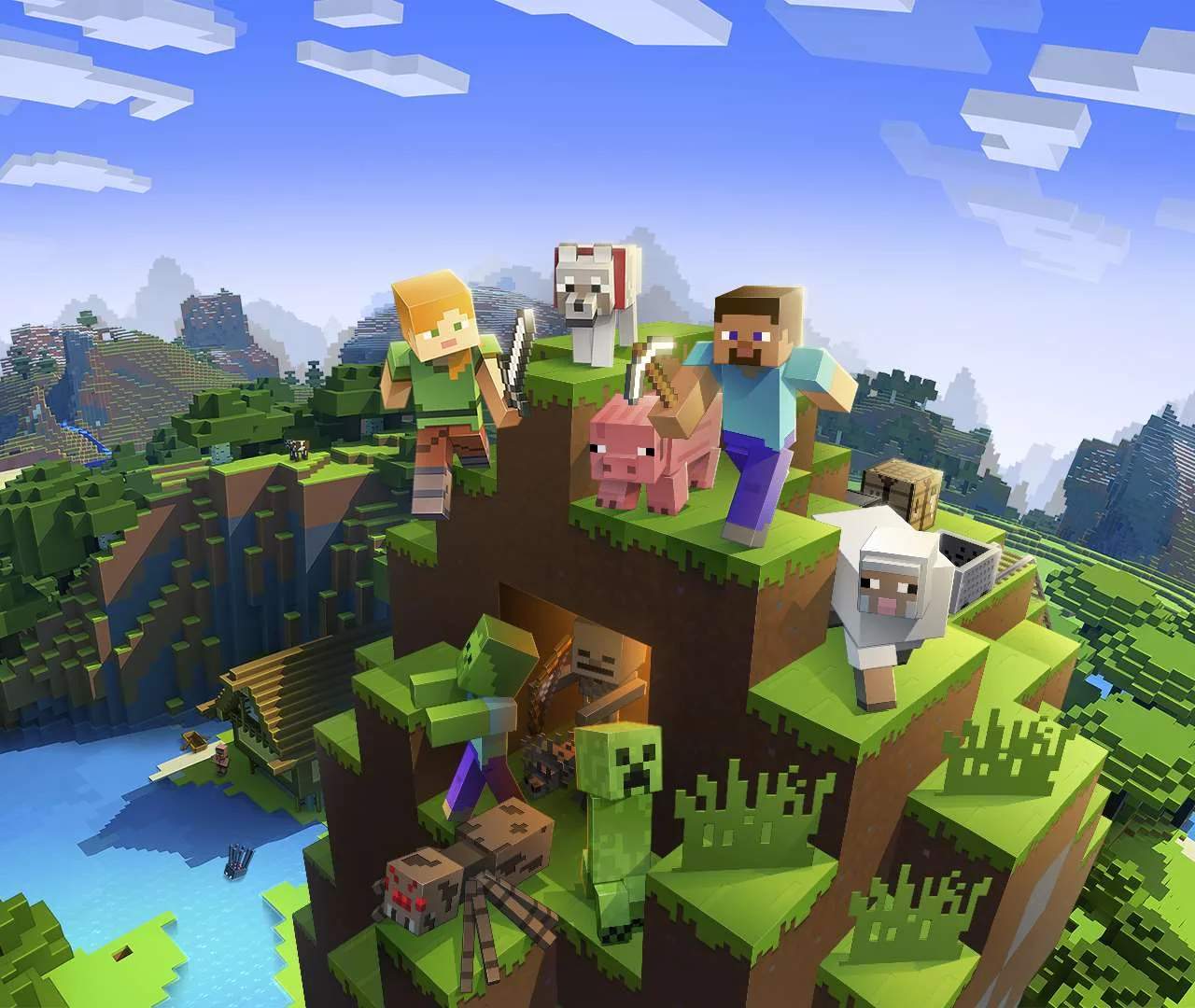
Minecraft's worlds are procedurally generated, meaning each new game creates a unique landscape filled with diverse biomes, structures, and resources. Understanding how worlds are generated is key to finding specific locations, resources, and planning your survival strategy from the very beginning.
When you start a new Minecraft world, the game uses a complex algorithm to create an infinite expanse of terrain. This process involves several stages, beginning with the generation of the overall landscape, including mountains, oceans, and plains. Then, biomes are assed to different regions. Biomes are distinct environmental zones, each with its own unique climate, flora, fauna, and terrain features. Examples include forests, deserts, jungles, snowy tundras, and the aforementioned Badlands. The distribution of biomes is influenced by factors like temperature and humidity, creating a natural flow between different environments. Following biome generation, structures are placed. These can range from small villages and abandoned mineshafts to more sificant structures like desert temples, jungle temples, and ocean monuments. Dungeons, small underground rooms containing a mob spawner and a chest, can also spawn almost anywhere. Resources are then distributed throughout the world. Ores like coal, iron, gold, and diamonds are found underground, with rarer ores typically found at deeper levels. Trees grow in appropriate biomes, and plants like flowers and crops appear on the surface. Water and lava sources are also placed, shaping the landscape and creating potential hazards or opportunities. The world generation also determines the placement of caves and ravines, which are crucial for underground exploration and resource gathering. The seed of a world is a numerical value that dictates the entire generation process. Using the same seed will result in the exact same world generation, allowing players to share interesting world layouts or specific seed discoveries. For example, a seed might be known for placing a village right next to a desert temple, or for having a rare biome spawn close to the world's origin point. You can input specific seeds when creating a new world to access these pre-desed layouts. Understanding the biome distribution can help you find specific resources or structures. For instance, if you need a lot of wood, you'll want to find a forest or jungle biome. If you're looking for diamonds, you'll need to mine deep underground, typically below Y-level 16. The game also generates different layers of the world, from the surface down to the bedrock. Each layer has its own set of potential resources and challenges.
World Generation Factors:
- Procedural Generation: Creates unique worlds using algorithms.
- Biomes: Diverse environments (forests, deserts, tundras, etc.).
- Structures: Villages, temples, mineshafts, dungeons, etc.
- Resource Distribution: Ores, trees, plants, water, lava.
- World Seed: A numerical value that determines world generation.
Every Minecraft world is a blank canvas, waiting for you to explore its generated wonders and shape its destiny.