Regions & Biomes
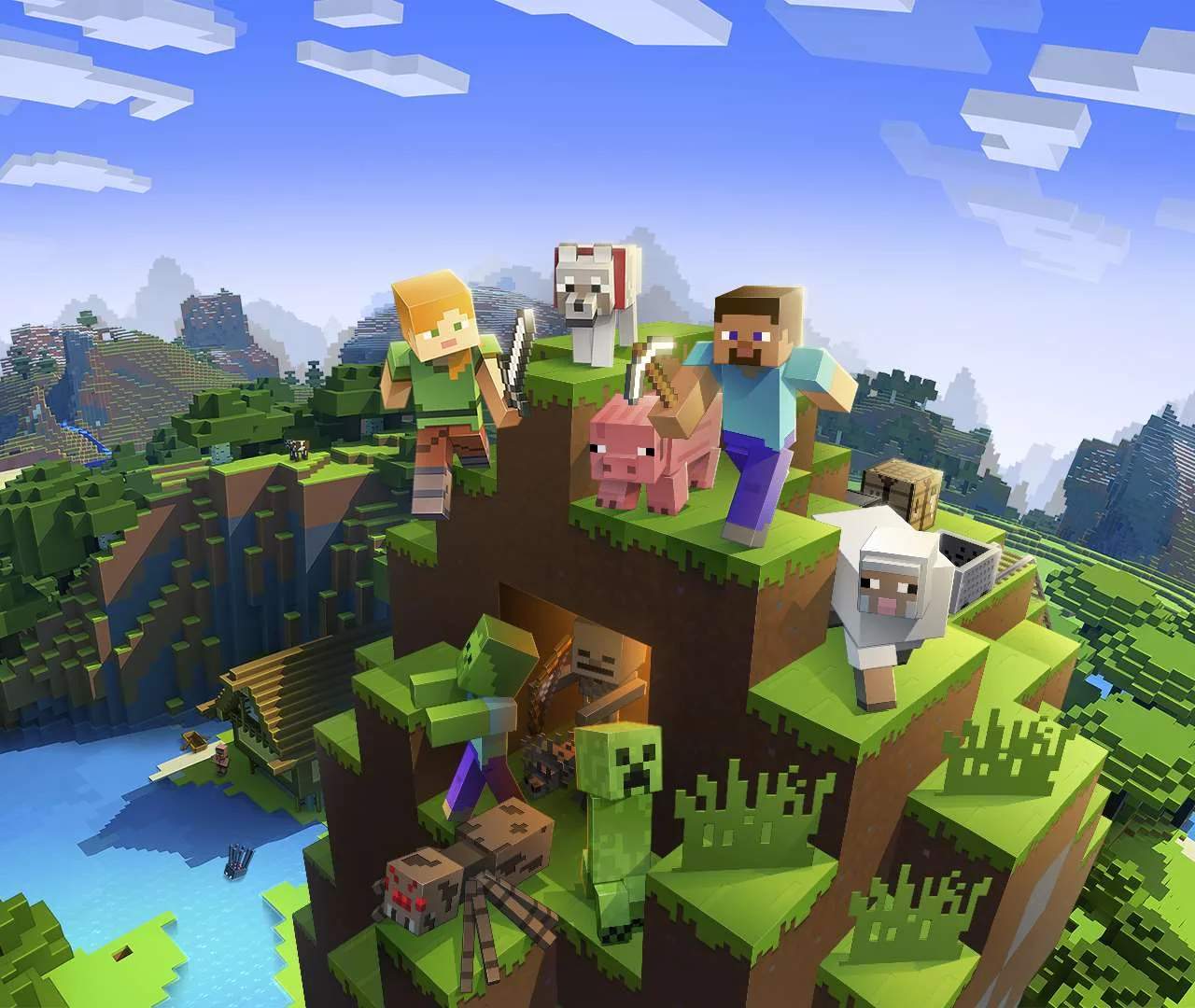
The world of Minecraft is a procedurally generated tapestry of diverse landscapes, each with its own unique characteristics, resources, and inhabitants. These distinct areas are known as biomes, and understanding their properties is fundamental to survival, resource management, and strategic gameplay. From frozen tundras to scorching deserts, each biome presents a different set of challenges and opportunities.
Biomes are essentially different environmental zones within the Minecraft world. They are determined by factors such as temperature, rainfall, elevation, and the presence of specific block types. The game generates these biomes in large regions, creating a varied and often unpredictable world map.
Common Overworld Biomes:
- Plains: Vast, open grasslands with few trees. Excellent for farming and building large structures. Home to passive mobs like cows, sheep, and pigs.
- Forest: Densely packed with trees, offering abundant wood. Can be challenging to navigate but provides ample resources for early-game survival. Oak and Birch forests are common.
- Taiga: Characterized by its tall spruce trees and cooler temperatures. Often features wolves and foxes. Snow can accumulate here.
- Desert: Arid, sandy landscapes with cacti and dead bushes. Scarce water and vegetation, making survival challenging. Home to husks (a desert variant of zombies) and spiders. Villages can spawn here.
- Savanna: Warm, grassy plains with scattered acacia trees. Often features large rock formations and can have villages. Home to horses and llamas.
- Swamp: Damp, marshy areas with dark oak trees and vines. Can be difficult to traverse due to water and mud. Home to slimes and witches.
- Jungle: Lush, tropical environments with dense vegetation, tall trees, and unique flora and fauna like parrots and ocelots. Can be challenging to navigate and prone to hostile mob spawns.
- Mountains (Extreme Hills): High-altitude regions with steep cliffs, deep ravines, and often snow-capped peaks. Rich in ores but dangerous to traverse. Emeralds are more common here.
- Ocean: Vast bodies of water covering much of the world. Home to aquatic mobs and structures like Ocean Monuments and Shipwrecks.
- Beach: The transition zone between land and ocean. Often features sand and gravel.
- Snowy Tundra: Cold, icy plains with sparse vegetation and frequent snow. Home to polar bears and strays (a snowy variant of skeletons).
Nether Biomes:
The Nether is a hellish dimension with its own set of unique biomes:
- Nether Wastes: The most common Nether biome, characterized by netherrack, gravel, and lava oceans. Home to ghasts, zombie piglins, and magma cubes.
- Soul Sand Valley: A desolate biome of soul sand and soul soil, often filled with ghasts and skeletons.
- Crimson Forest: A vibrant red biome with crimson nylium, warped roots, and hoglins.
- Warped Forest: A cool blue biome with warped nylium, twisting vines, and endermen.
- Basalt Deltas: A stark, volcanic biome of basalt, blackstone, and magma blocks, with frequent lava.
The End Biome:
The End is a desolate, dark dimension consisting primarily of end stone. It is home to the Ender Dragon and End Cities.
Biome-Specific Resources and Challenges:
- Wood: Essential for early game. Forests and Taigas provide ample amounts.
- Food: Plains and Savannas are good for farming and finding passive mobs. Deserts are challenging for food.
- Ores: Mountains are rich in ores, especially emeralds. Caves in any biome can yield valuable minerals.
- Hostile Mobs: Deserts have Husks, Swamps have Slimes, Jungles have more aggressive mob spawns. The Nether is universally dangerous.
- Unique Items: Cacti in deserts, Melons in Jungles, specific flowers in various biomes.
Tips for Navigating Biomes:
- Spawn Point: Try to spawn in a biome with readily available resources like wood and food.
- Exploration: Venture out to discover new biomes and their unique offerings.
- Map Making: Use maps to keep track of explored areas and important locations.
- Gear Up: Prepare for extreme temperatures (snowy biomes) or dangerous terrain (mountains, jungles) with appropriate armor and tools.
The world of Minecraft is vast and varied. By understanding the characteristics of different biomes, you can make informed decisions about where to settle, what resources to prioritize, and how to best prepare for the challenges that lie ahead.