World, Regions & Collectibles
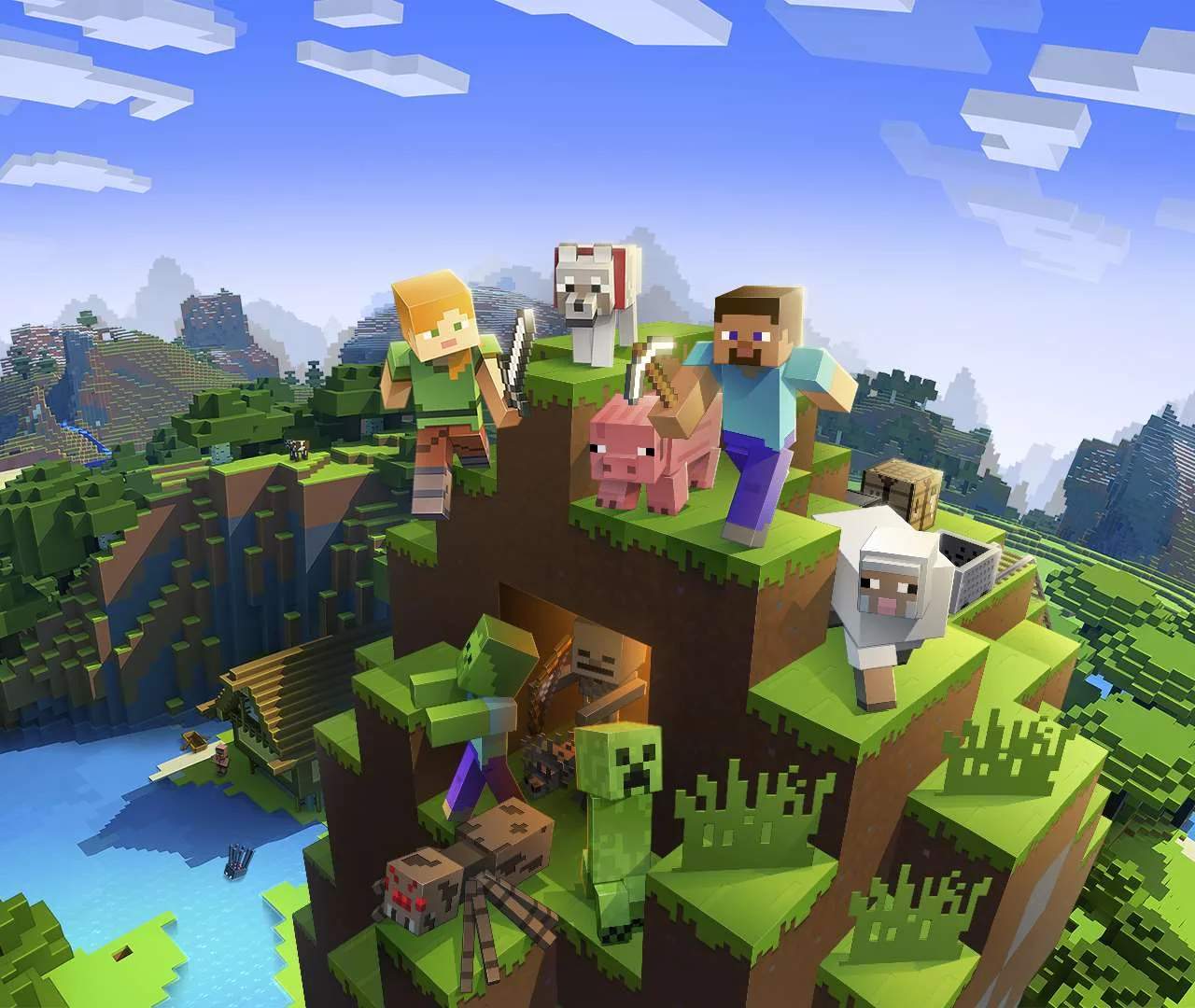
Minecraft's procedurally generated worlds are vast and diverse, offering players an endless landscape to explore and conquer. Understanding the different biomes, regions, and the collectibles they hold is crucial for survival, progression, and uncovering the game's secrets. From lush forests to arid deserts and frozen tundras, each region presents unique challenges and rewards.
The world of Minecraft is divided into distinct biomes, each with its own set of blocks, mobs, and environmental characteristics. These biomes influence everything from the weather and vegetation to the types of resources you can find. For instance, a Forest biome is rich in wood and home to passive mobs like sheep and pigs, while a Desert biome offers sand, cacti, and hostile mobs like zombies and skeletons.
Key World Regions and Their Characteristics:
| Biome | Key Features | Common Collectibles | Potential Dangers |
|---|---|---|---|
| Plains | Flat, grassy, few trees | Wheat, Flowers, Passive Mobs | Skeletons, Zombies at night |
| Forest | Dense trees, abundant wood | Wood, Apples, Animals | Spiders, Wolves |
| Desert | Sand, cacti, little water | Sand, Sandstone, Cactus | Zombies, Skeletons, Creepers |
| Taiga | Spruce trees, snow (sometimes) | Spruce Logs, Berries, Wolves | Wolves, Spiders |
| Ocean | Vast water bodies | Kelp, Fish, Coral, Shipwrecks | Drowned, Guardians |
| Mountains | High altitudes, rocky terrain | Stone, Iron Ore, Coal Ore | Fall damage, Hostile Mobs |
Collectibles and Their Importance:
Collectibles in Minecraft are items that players gather to craft, build, survive, and progress. These can range from basic resources like wood and stone to rare items found in specific locations.
- Resources: Wood, stone, ores (iron, gold, diamond), coal, food items. Essential for crafting tools, armor, weapons, and building structures.
- Mob Drops: Feathers from chickens, leather from cows, bones from skeletons, gunpowder from Creepers. Used in various crafting recipes.
- Structure Loot: Chests found in dungeons, temples, shipwrecks, and other structures often contain valuable items like enchanted books, diamonds, and rare materials.
- Unique Items: Specific to certain biomes or dimensions, such as Prismarine from ocean monuments or Netherite from the Nether.
Exploration Strategies:
To effectively explore Minecraft's world:
- Map Making: Craft maps to chart your discoveries and avoid getting lost.
- Resource Management: Always carry essential supplies like food, torches, and building blocks.
- Navigation: Use the sun and stars, or craft a compass, to maintain your bearings.
- Biome Identification: Learn to recognize biomes by their distinct visual cues.
- Prioritize Safety: Build temporary shelters at night and be aware of mob spawns.
The thrill of discovery in Minecraft lies in venturing into the unknown, finding rare resources, and encountering unique mobs. Each region offers a piece of the puzzle, contributing to your overall survival and mastery of the game.